Data centers expected to use 4x more electricity by 2035
Source Entity
Tim De Chant
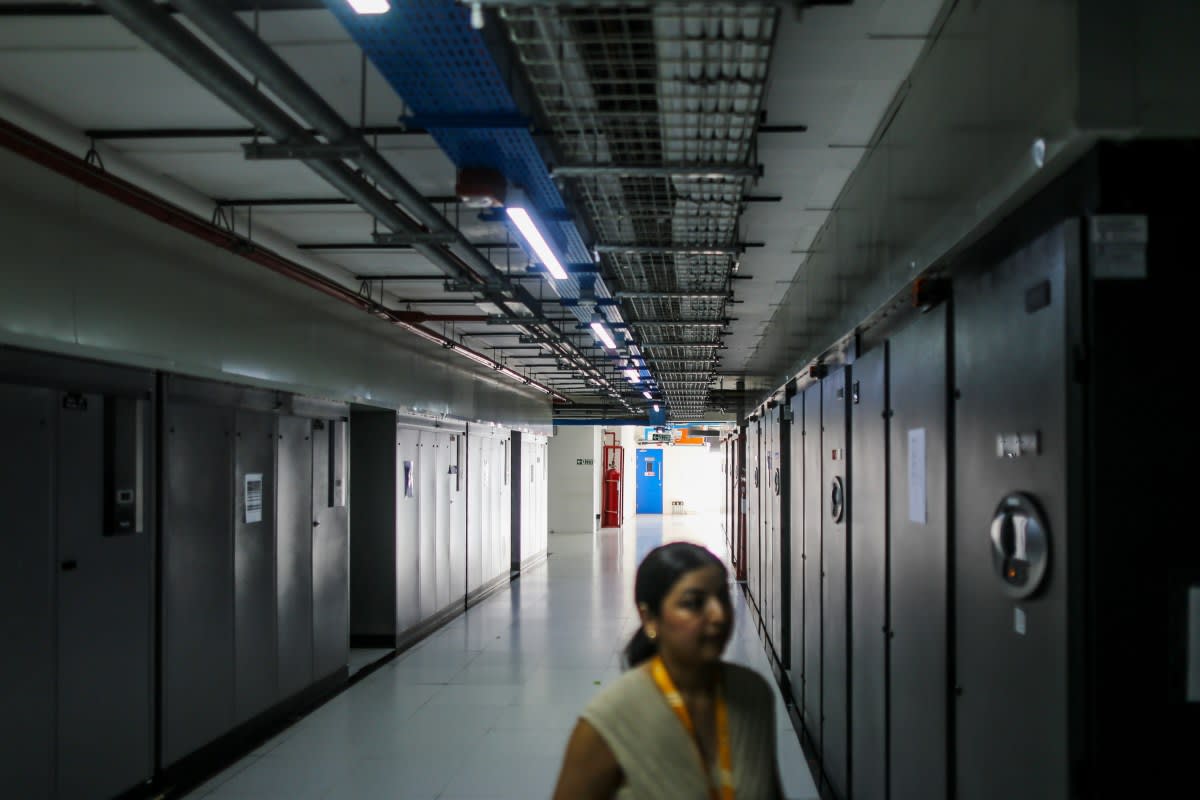
A BloombergNEF report projects that AI-driven data centers will consume 20% of U.S. electricity by 2035, a fourfold increase from current levels. This surge poses significant challenges for national power grid capacity and infrastructure planning.
The Impending Energy Crisis: AI and the U.S. Power Grid
The meteoric rise of artificial intelligence has triggered a massive expansion in computational infrastructure, leading to a projected surge in energy consumption. According to a recent report by BloombergNEF, data centers in the United States are expected to consume approximately 20% of the country’s total electricity by 2035. This represents a staggering increase from the current 5.9%, signaling a fundamental shift in how the nation’s power grid must be managed and expanded to accommodate the digital economy.
The Mechanics of Massive Growth
The primary driver behind this energy demand is the intensive nature of AI training and inference. To support the rapid development of large language models and other compute-heavy applications, data center capacity is expected to reach nearly 200 gigawatts (GW) within the next decade. The report highlights that by 2033, the U.S. is poised to host 64% of global AI chips by power demand. This consolidation of high-performance computing in the U.S. creates a localized strain on the electrical infrastructure, particularly in states like Virginia and Texas, which currently serve as major hubs for these facilities.
A Fourfold Increase in Electricity Demand
Projections indicate that data centers will consume four times as much electricity by 2035 as they do today. The forecasted demand of 194 GW is an 83% increase over previous estimates made by BNEF as recently as December. This trajectory suggests that energy planners have consistently underestimated the speed at which AI adoption would scale, with other organizations like the Electric Power Research Institute (EPRI) also significantly revising their forecasts upward to reflect the reality of this unprecedented growth.
Broader Economic and Grid Implications
To put the scale of this consumption into perspective, the new data centers constructed through 2033 are expected to consume as much electricity as India currently uses in total. This level of demand requires a massive overhaul of the national grid, as the current infrastructure was not designed for such concentrated, high-density loads. The strain on regional power grids could lead to increased costs for consumers and businesses alike if grid expansion and energy generation do not keep pace with the deployment of AI clusters.
Future Trends and Reliability Concerns
As we look toward 2030 and beyond, the concentration of power demand in specific states suggests that localized energy security will become a top priority for policymakers. If these figures are conservative, as some experts suggest, the pressure to integrate renewable energy sources or modernize existing transmission lines will only intensify. The coming decade will be defined by an intersection of energy policy and technological innovation, where the ability to supply reliable, sustainable power will become as critical as the computing hardware itself. The reliance on AI is set to become a permanent fixture of the U.S. economy, and the power grid must evolve to ensure that this digital growth does not compromise national energy stability.
Multiple Citing Sources