Iran Shifted Nuclear Centrifuges To Pickaxe Mountain: Report
Source Entity
NDTV News Search Records Found 1000
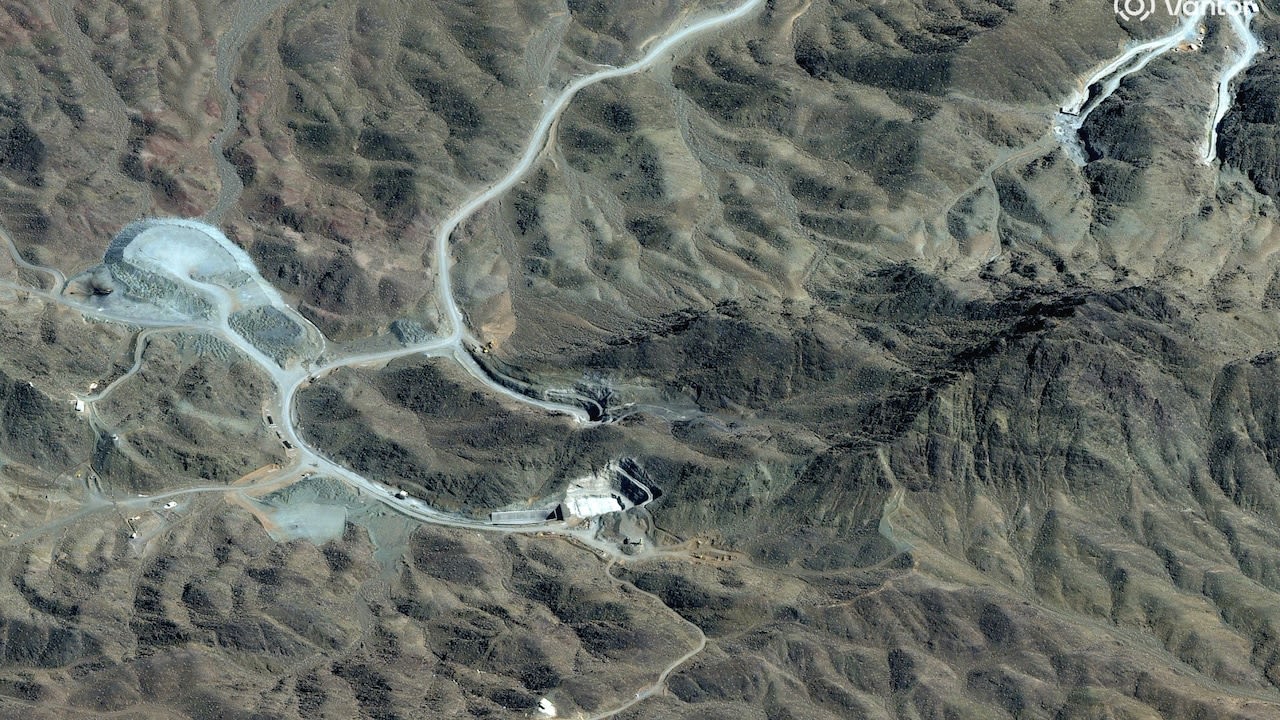
Israeli intelligence reports that Iran has relocated thousands of nuclear centrifuges to a deep underground facility at Pickaxe Mountain. The move, allegedly occurring after the June 2025 conflict, has prompted U.S. threats of strikes amid concerns over the site's extreme fortification.
The Strategic Shift at Pickaxe Mountain
Recent intelligence assessments from Israel have brought the secretive Pickaxe Mountain facility in the Natanz area to the forefront of international security discourse. According to reports citing U.S. and Israeli officials, Iran has relocated thousands of uranium-enrichment centrifuges to this hardened, underground site. This maneuver is viewed by regional analysts as a calculated effort to preserve nuclear capabilities in the face of ongoing military pressure and aerial campaigns that have targeted Iranian infrastructure since the 12-day conflict in June 2025.
The Engineering of Hardened Deterrence
The physical characteristics of the Pickaxe Mountain site represent a significant escalation in the ongoing cat-and-mouse game of nuclear proliferation and counter-proliferation. Buried more than 300 feet beneath solid granite, the facility is designed to withstand conventional aerial bombardment that might otherwise disable surface-level or shallow-depth enrichment plants. By moving sensitive enrichment equipment into these deep tunnels, Iran appears to be attempting to negate the tactical advantages held by the U.S. and Israeli air forces, thereby creating a 'hardened' nuclear infrastructure that is increasingly difficult to neutralize without specialized, high-yield weaponry.
Contextualizing the June 2025 Conflict
The relocation of these centrifuges is directly linked to the aftermath of the intense 12-day war that occurred in June 2025. During that period, significant strikes were conducted by U.S. and Israeli forces against various Iranian nuclear facilities. The fact that the Pickaxe Mountain site remained untargeted during that campaign suggests it may have been a contingency project or a recently expanded installation designed specifically to serve as a survival vault for the country's nuclear program. The subsequent intensification of air operations beginning on February 28 has further highlighted the strategic importance of this facility.
The Challenge of Verification and IAEA Access
A critical component of this crisis is the persistent lack of transparency regarding the site. The International Atomic Energy Agency (IAEA) has reportedly been denied access to the facility, creating an intelligence vacuum that complicates diplomatic efforts. While Israeli intelligence has shared its assessments with Washington, the lack of third-party verification from international monitors leaves the global community reliant on signals intelligence and satellite imagery, which can be subject to interpretation and political maneuvering.
Geopolitical Implications and Future Trends
The threat of U.S. strikes against the facility underscores the severity with which Washington views this development. If the reported relocation of centrifuges is confirmed, it suggests that Iran is prioritizing the survivability of its nuclear program over potential diplomatic normalization. Future trends likely point toward increased regional instability, as Israel and the U.S. weigh the risks of allowing a deeply buried enrichment program to continue unchecked against the risks of a major escalation resulting from an attempt to destroy the Pickaxe Mountain site. As Iran remains silent on the reports, the focus will likely shift to whether international pressure can force a change in Tehran's strategic posture.
Multiple Citing Sources
Verification Required?