US airlines to resume direct flights to Lebanon after 40 years, says Donald Trump
Source Entity
TOI WORLD DESK
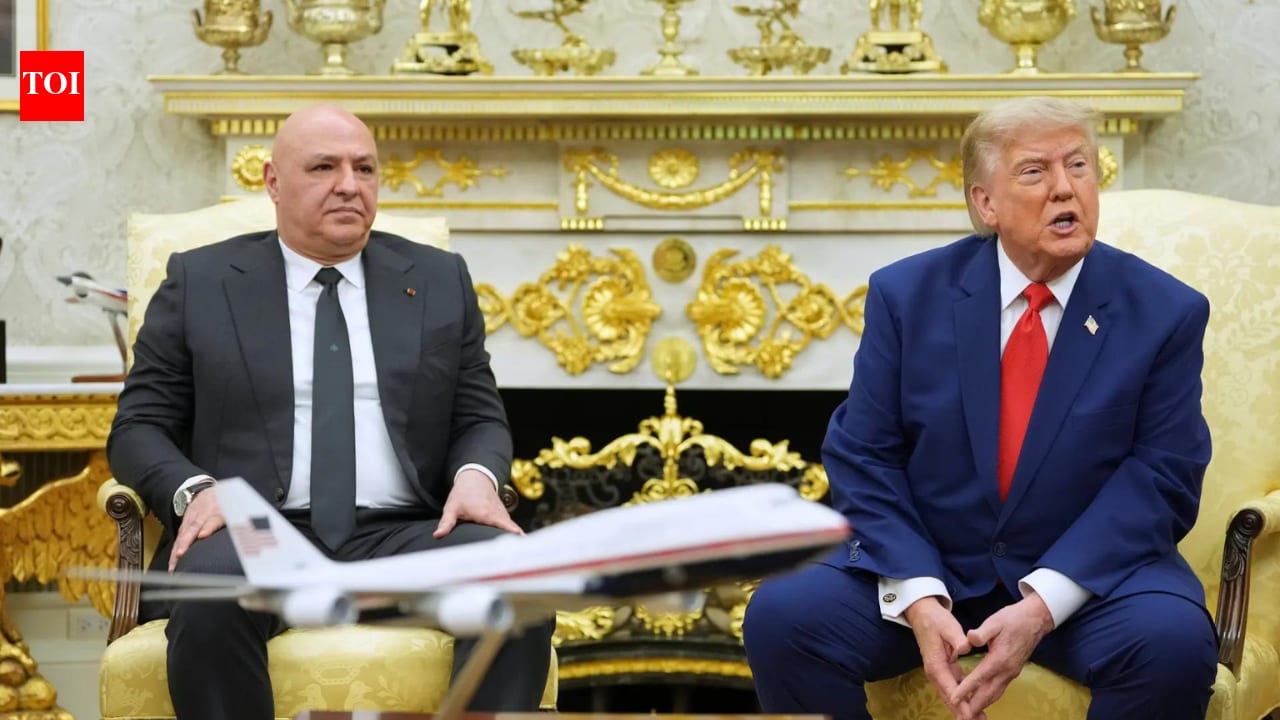
President Trump has announced the resumption of direct US-Lebanon flights following a historic White House meeting with Lebanese President Joseph Aoun. The two leaders discussed regional stability and a proposed plan to disarm Hezbollah to foster peace with Israel.
A New Chapter in US-Lebanon Relations
In a significant diplomatic development, U.S. President Donald Trump and Lebanese President Joseph Aoun met at the White House on Tuesday, July 21, 2026. This summit marks the first visit by a Lebanese head of state to the Oval Office in nearly two decades, signaling a potential shift in American engagement with the Levant. The meeting focused on the dual pillars of regional security and bilateral economic restoration, with both leaders expressing a commitment to stabilizing a nation long marred by internal strife and external pressures.
The Resumption of Direct Aviation
One of the most tangible outcomes of the meeting is the directive from President Trump to allow U.S. commercial carriers to resume direct flights to Lebanon. This move reverses a policy that has been in place since 1985, a period spanning four decades of aviation suspension. By easing travel restrictions, the administration aims to facilitate easier access for Americans to visit Lebanon, potentially boosting tourism and strengthening the cultural and economic ties that have languished during the prolonged security vacuum.
Addressing the Hezbollah Challenge
Central to the diplomatic agenda was a formal proposal presented by President Aoun regarding the disarmament of the Iran-backed militant group, Hezbollah. For years, the presence of this heavily armed non-state actor has served as a primary point of contention in Lebanon’s domestic policy and its international standing. Aoun’s plan seeks to consolidate state authority and curb the influence of non-state actors, a prerequisite for the long-term stability and sovereignty that the U.S. administration has pledged to support.
Pursuing Peace with Israel
Beyond internal disarmament, the discussions directly addressed the pursuit of peace between Lebanon and Israel. President Trump emphasized that Lebanon has been "badly treated" for decades and vowed that his administration would ensure the country receives the "respect it deserves." This rhetoric suggests a pivot toward integrating Lebanon into a broader regional peace framework, contingent upon the success of Aoun’s security proposals and the neutralization of cross-border threats that have historically plagued the Lebanese-Israeli frontier.
Strategic Implications and Challenges
While the prospect of normalized air travel and increased diplomatic backing is optimistic, the implementation faces significant hurdles. Airlines will likely exercise extreme caution given the ongoing regional conflicts and the volatile security landscape. Furthermore, the success of the disarmament plan depends heavily on internal Lebanese political consensus and the regional geopolitical climate. The U.S. promise of continued support for the Lebanese army remains a critical component of this strategy, aiming to bolster the state's capacity to maintain order independently.
Conclusion
The meeting between Trump and Aoun represents a bold attempt to recalibrate U.S. policy in the Middle East. By incentivizing stability through economic connectivity and high-level diplomatic recognition, the administration is betting on a path that favors state-strengthening over proxy-driven conflict. Whether this high-stakes strategy leads to a lasting peace or encounters the same systemic obstacles as previous efforts remains a defining question for the region’s future.
Multiple Citing Sources