No legal aid to accused, SC orders fresh trial in 30-year-old blast case
Source Entity
AMIT ANAND CHOUDHARY
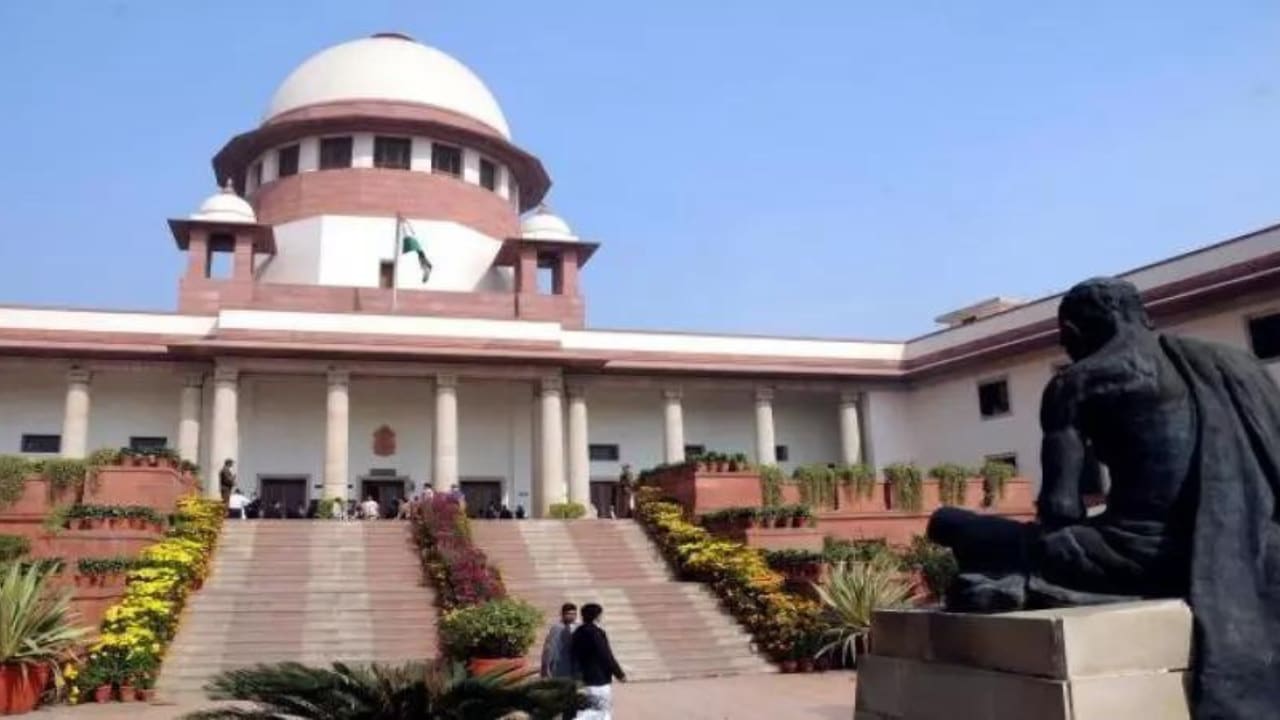
The Supreme Court has overturned the conviction and death sentence of Abdul Hameed in the 1996 Samleti bus blast case due to a lack of adequate legal representation. The court ordered a fresh trial, highlighting the fundamental right to a fair legal process even in severe criminal cases.
Supreme Court Mandates Fresh Trial in 1996 Samleti Blast Case
In a significant legal development, the Supreme Court of India has set aside the conviction and death sentence of Abdul Hameed regarding the 1996 Samleti bus blast. This decision, which also encompasses the conviction of another accused, Pappu alias Salim, centers on the fundamental judicial principle that every individual, regardless of the severity of the charges, is entitled to adequate legal assistance. By overturning the 2019 Rajasthan High Court judgment, the apex court has underscored that procedural fairness is an non-negotiable pillar of the Indian justice system.
The Context of the 1996 Tragedy
The incident in question occurred on May 22, 1996, when a devastating bomb blast ripped through a Rajasthan Roadways bus traveling from Agra to Bikaner. The explosion near Samleti village in the Dausa district resulted in the tragic deaths of 14 people and left 37 others injured. Occurring just one day after the infamous Lajpat Nagar bomb blast in Delhi—which claimed 13 lives—the Samleti event was part of a tense period of security challenges in Northern India during the mid-1990s.
Procedural Failure and Legal Rights
The core of the Supreme Court's intervention lies in the denial of legal aid to the accused during their original trial. The court observed that the conviction process was fundamentally flawed because the accused were not provided with the necessary resources to mount a proper defense. In the Indian legal framework, the right to a fair trial is protected under Article 21 of the Constitution, which guarantees the right to life and personal liberty, implicitly requiring that legal representation be meaningful and effective rather than merely symbolic.
Implications for Judicial Integrity
By ordering a fresh trial, the Supreme Court is reinforcing the standard that a conviction cannot stand if the trial process is compromised by the absence of competent legal counsel. This ruling serves as a cautionary tale for lower courts to ensure that the appointment of amicus curiae or legal aid counsel is not merely a box-ticking exercise but a robust effort to uphold the adversarial system. It highlights that even in cases involving heinous acts of terrorism, the integrity of the judicial process must remain unassailable.
Scope of the Ruling
While the Supreme Court has set aside the convictions of Hameed and Salim, it notably refused to interfere with the Rajasthan High Court’s earlier acquittal of other individuals involved in the case. This distinction demonstrates the court's commitment to evaluating each case based on its specific evidentiary and procedural merits. The decision to mandate a fresh trial indicates that while the gravity of the 1996 blast is immense, the pursuit of justice cannot bypass the established constitutional rights of the accused.
Conclusion
Ultimately, this ruling is a reminder of the balancing act the judiciary performs between ensuring national security and protecting the rights of the individual. As the legal proceedings return to a lower court for a fresh trial, the case will continue to be a focal point for discussions on legal aid efficacy and the long-term resolution of historical criminal cases. The Supreme Court's intervention ensures that even after nearly three decades, the quest for truth must be conducted through a fair and transparent legal lens.