The New Large-Load Compact
Source Entity
Yahoo Finance
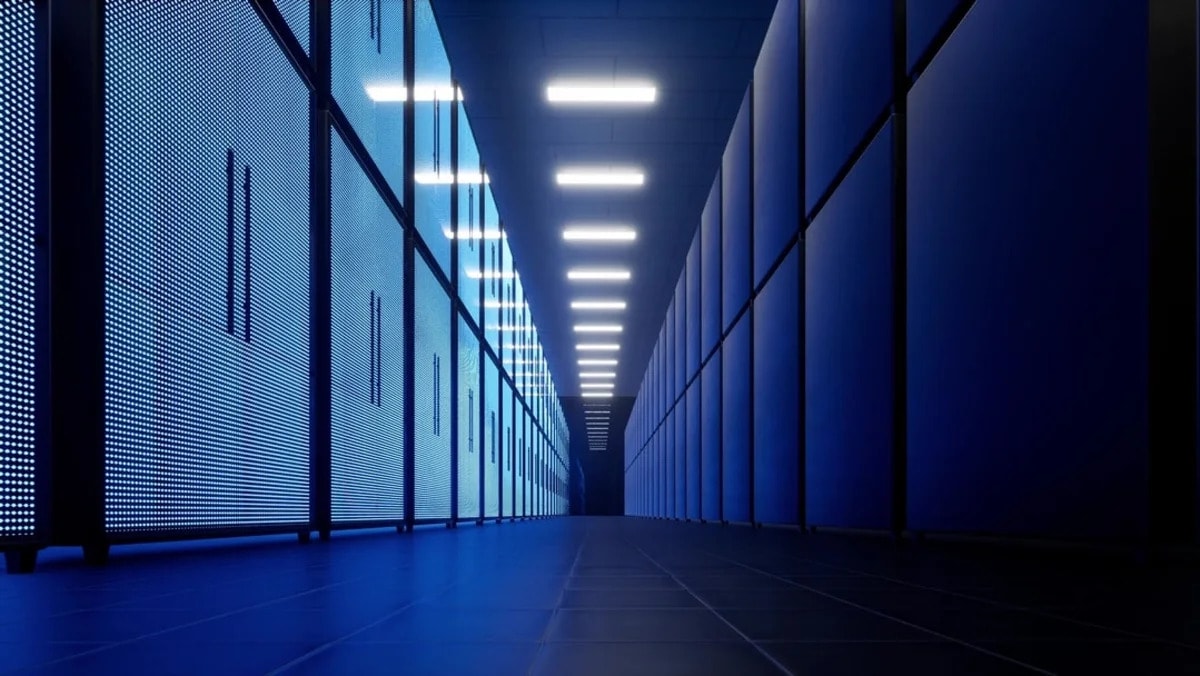
AI data centers are evolving beyond traditional industrial power consumers, challenging existing electrical grid planning models due to their unprecedented energy demands and operational profiles.
The Paradigm Shift in Power Consumption: AI Data Centers
For decades, electrical utilities operated under a predictable framework for managing "large-load" customers. Whether it was a steel mill, a chemical refinery, or a large hospital, these entities were viewed as passive consumers. They had relatively stable demand profiles, predictable growth trajectories, and integrated into a planning model that focused on steady-state delivery. However, the explosion of Generative AI has introduced a new variable into the energy equation: the AI data center. These facilities are no longer fitting into the traditional mold, forcing a fundamental rethink of how energy is distributed and managed.
Beyond the Passive Consumer Model
Historically, a "passive customer" was one whose load was manageable through standard capacity upgrades and long-term forecasting. AI data centers, however, operate with a level of intensity and scalability that dwarfs traditional industrial sites. The transition from general-purpose computing to AI-specific workloads—characterized by thousands of power-hungry GPUs running at maximum capacity—creates a concentrated load that can strain local substations and transmission lines. Unlike a factory that might have scheduled downtime or seasonal fluctuations, AI clusters often demand peak power 24/7, creating a constant, high-pressure draw on the grid that leaves little room for error or redundancy.
Infrastructure Bottlenecks and Grid Stability
The core of the issue lies in the "planning model" mentioned in current industry discussions. Traditional grid expansion takes years, if not decades, involving complex permitting and physical construction of high-voltage lines. AI deployment, conversely, happens in months. This temporal mismatch creates a critical bottleneck. When a data center is treated as a passive load, the utility simply provides the requested megawatts. But when that load is dynamic and massive, it can lead to voltage instability and localized outages. The grid is being pushed to its limits, requiring a shift toward "active" management where data centers and utilities coordinate in real-time to balance load and supply.
Broader Economic and Environmental Implications
This shift has profound implications for the energy transition. As tech giants race to build AI infrastructure, their massive energy requirements threaten to offset gains made in carbon reduction. The sheer volume of power needed for AI training and inference is pushing utilities to keep aging coal or gas plants online longer than planned to ensure reliability. This creates a tension between the rapid advancement of technology and the commitment to green energy. To mitigate this, we are seeing a trend toward "behind-the-meter" solutions, where data centers invest in their own energy generation or enter into direct power purchase agreements (PPAs) to fund new renewable projects.
Future Trends: The Rise of Integrated Energy-Compute Hubs
Looking forward, the relationship between AI and energy will likely evolve into a symbiotic partnership. We can expect the emergence of integrated energy-compute hubs, where data centers are co-located with power sources—such as Small Modular Reactors (SMRs) or massive geothermal plants—to bypass the fragile public grid entirely. Furthermore, AI may eventually be used to optimize the very grids it currently strains, employing predictive analytics to manage load shedding and energy routing more efficiently than any human operator could.
Conclusion
The era of treating high-tech infrastructure as a simple utility customer is over. The "New Large-Load Compact" requires a collaborative architecture where energy providers and AI developers co-design the infrastructure. By moving away from the passive consumer model and toward an integrated, active partnership, the industry can ensure that the AI revolution does not come at the cost of grid stability or environmental sustainability.