AI datacentres plan on-site power stations on huge scale despite climate risks, research reveals
Source Entity
Sandra Laville
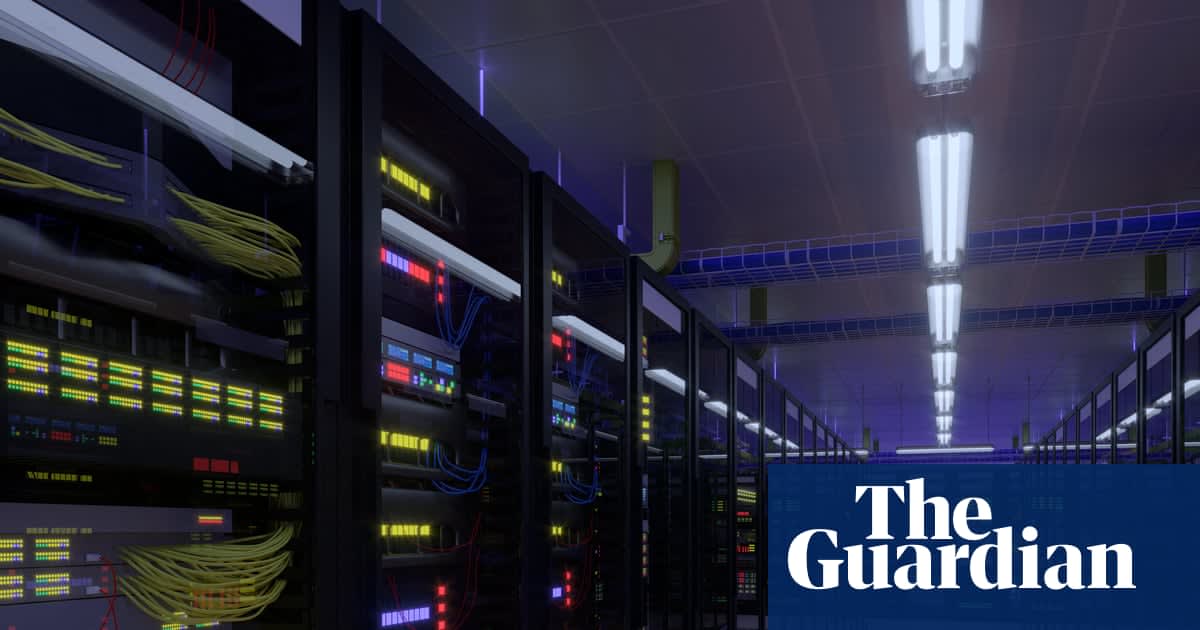
AI datacentre developers are planning massive on-site gas power plants to bypass grid delays, potentially emitting 345m metric tonnes of CO2 annually. This strategy highlights a critical conflict between the rapid expansion of artificial intelligence and global climate commitments.
The Hidden Environmental Cost of the AI Revolution
As the global race for artificial intelligence dominance intensifies, a critical, often overlooked bottleneck has emerged: the sheer physical demand for electricity. Recent research indicates that developers are increasingly bypassing traditional national grid infrastructure by planning on-site, fossil-fuel-powered energy stations. This "speed to power" strategy, while efficient for the rapid deployment of massive computing clusters, presents a significant hurdle for global decarbonization efforts.
The Scale of the Energy Crisis
The figures revealed by BloombergNEF are staggering. Projections suggest that developers are planning to install 181GW of gas-fired capacity across the US, UK, and mainland Europe. To put this into perspective, this capacity is nearly four times the total peak electricity demand of Great Britain. This reliance on on-site gas plants is driven primarily by the inability of aging national power grids to keep pace with the exponential growth of high-density AI data centers.
Climate Implications and Emissions
The environmental consequences of this trajectory are profound. In the United States, where 90% of these on-site gas-fired projects are currently proposed, the emissions impact would be catastrophic. The research estimates an annual output of 345 million metric tonnes of carbon dioxide equivalent. This volume of greenhouse gas emissions is roughly equivalent to the annual output of 72.8 million fossil-fuel-powered vehicles, effectively undermining the transition to sustainable energy infrastructure.
Grid Infrastructure and Regulatory Hurdles
The root cause of this trend is a systemic failure in current energy infrastructure. Developers are choosing to build their own power plants because connecting to the national grid involves lengthy delays, bureaucratic hurdles, and insufficient transmission capacity. By opting for on-site gas, these tech giants are prioritizing the immediate operational requirements of AI hardware over the long-term sustainability goals mandated by national policies.
Future Trends and Corporate Responsibility
Looking ahead, this trend sets a dangerous precedent for corporate energy strategy. If AI development continues to prioritize speed at the cost of climate stability, the tech sector risks significant backlash from regulators and public opinion. We may see a future where tech companies are forced to invest heavily in grid modernization or renewable microgrid technologies rather than fossil-fuel-based solutions. Balancing the hunger for computation with the imperative of a net-zero future remains the defining challenge for the next decade of digital infrastructure development.