“Software is over”: Bold AI developer takes aim at Adobe with open source clones
Source Entity
Kyle Orland
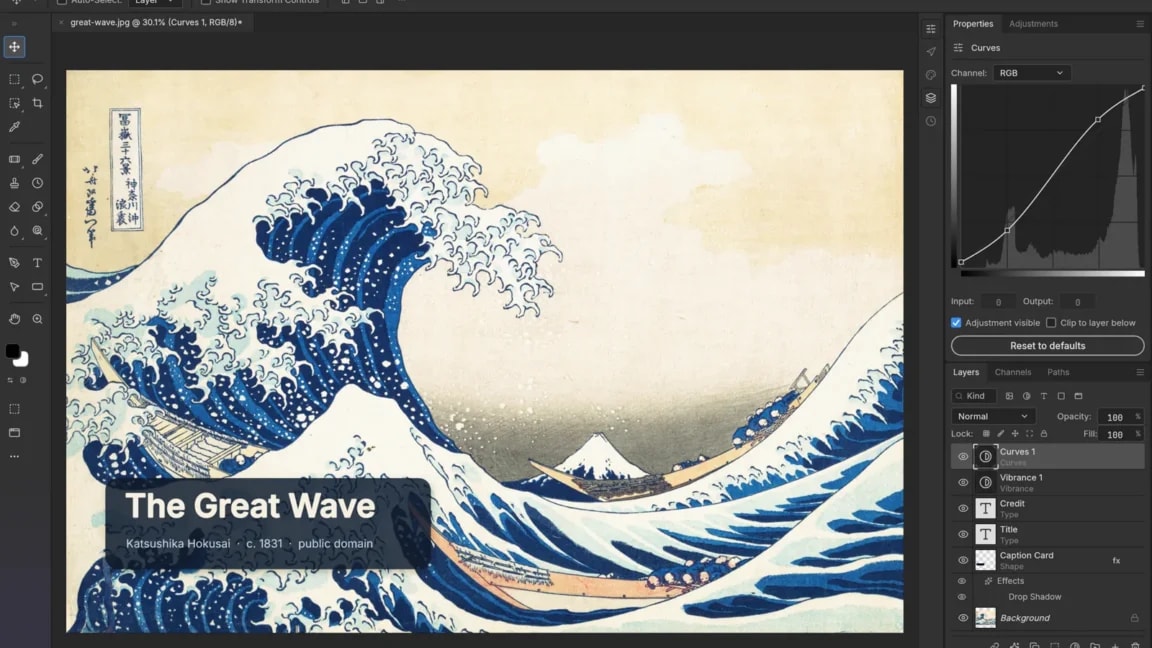
A developer is using AI-powered reverse engineering to create open-source, free alternatives to Adobe’s Creative Cloud suite. While ambitious, the project remains in early development stages.
The Disruption of the Creative Software Ecosystem
The landscape of professional creative software is facing a potential paradigm shift as an ambitious developer launches an open-source suite designed to mirror Adobe's Creative Cloud. By utilizing AI-powered reverse engineering, the project aims to replicate the core functionality, user interface, and workflow of industry-standard tools like Photoshop, Premiere, and Illustrator. This move represents a direct challenge to the subscription-based model that has dominated the creative industry for over a decade.
From AI Artistry to Suite Replication
Initially launched last year as 'Artcraft,' the project was originally conceived as a tool for controllable AI-assisted post-generation editing. The sudden pivot to recreating seven distinct Adobe applications—including InDesign and After Effects—signals a broader ambition to replace the standard professional pipeline entirely. This shift highlights a growing trend in the developer community: using machine learning not just to generate content, but to facilitate the technical mimicry of complex, legacy software architectures.
Technical Challenges and Development Realities
Despite the bold announcement, the developer acknowledges that these tools are currently "nowhere near finished." Replicating the fidelity of Adobe’s ecosystem, which has been refined over decades, is an immense technical undertaking. The complexity of software like Premiere Pro or After Effects involves deep integration with hardware acceleration, file format support, and intricate plugin ecosystems that open-source projects often struggle to maintain at a professional level.
The Economics of Open Source vs. Subscription
For many creators, the primary friction point with Adobe remains its subscription-only cost structure, which can be prohibitive for independent freelancers and small studios. By positioning these clones as free and open-source, the developer is tapping into a significant market demand for accessible creative tools. If the project succeeds in achieving even partial parity with Adobe’s toolsets, it could force a re-evaluation of how creative software is priced and distributed globally.
Broader Implications and Future Trends
The emergence of AI-driven reverse engineering in software development is a double-edged sword. While it democratizes access to high-end creative capabilities, it also raises questions regarding intellectual property and the sustainability of long-term software maintenance. As this project matures, the industry will be watching closely to see if AI can truly bridge the gap between amateur-friendly tools and professional-grade software suites. For now, the project stands as a testament to the disruptive potential of open-source development in the age of generative AI.