IMC 2026: Ericsson to export made-in-India antennas to Europe and other global markets
Source Entity
The Indian Express
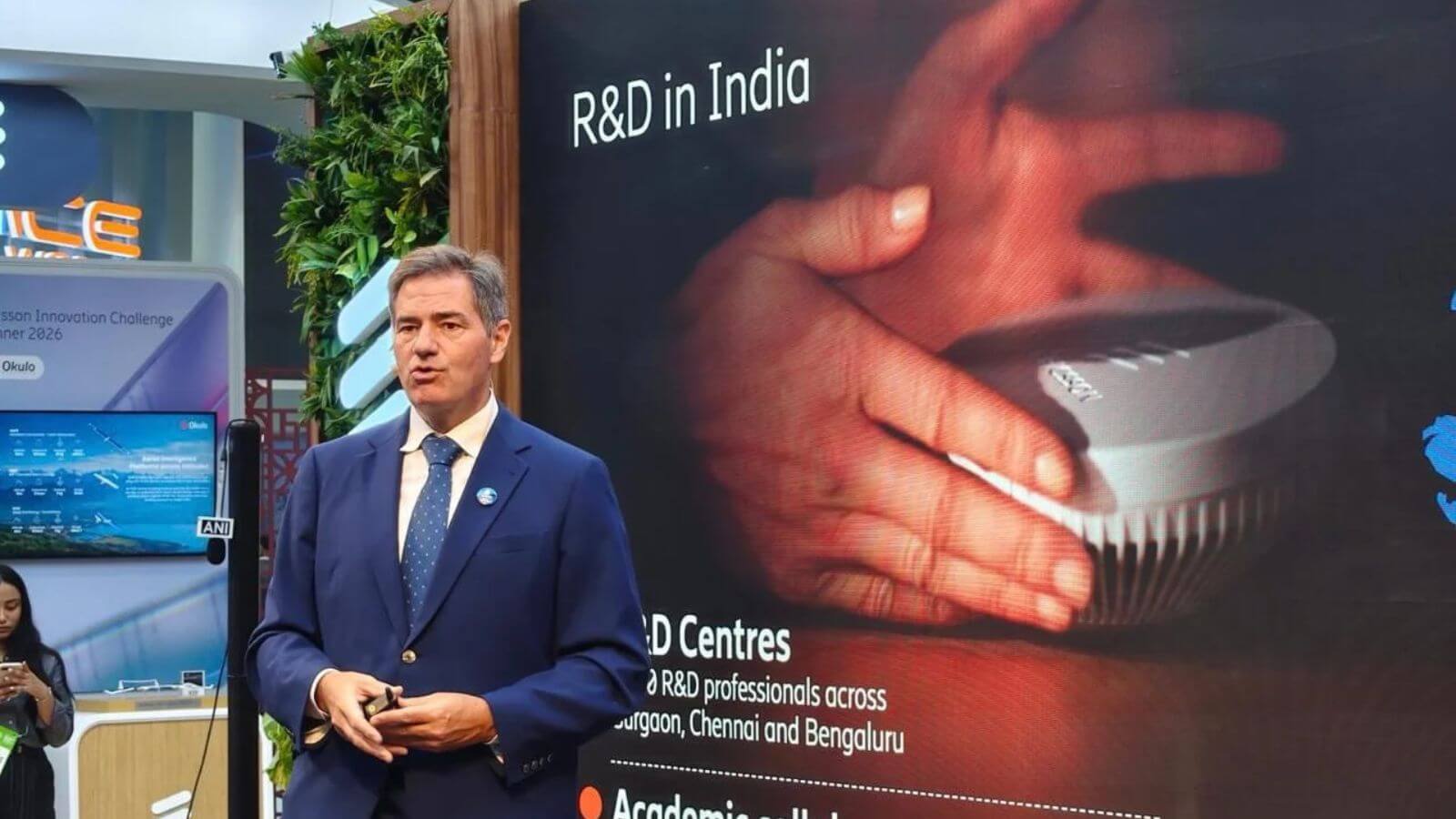
Ericsson has announced plans to export India-manufactured 5G and AI-ready antennas to global markets including Europe. This milestone follows the production of over 15,000 antennas in India since July 2025, highlighting the country's growing role in the global telecom supply chain.
Ericsson Positions India as a Global Telecom Manufacturing Hub
At the tenth edition of the India Mobile Congress (IMC) 2026, Swedish telecommunications giant Ericsson made a landmark announcement regarding the expansion of its manufacturing footprint in India. The company confirmed that it will begin exporting locally manufactured antennas and telecom equipment to international markets, most notably Europe. This development marks a significant shift in Ericsson’s global supply chain strategy, signaling that India has graduated from a localized market to a pivotal manufacturing node for high-tech infrastructure.
Scaling Production and Technical Capability
The scale of this operation is substantial, with Ericsson reporting that over 15,000 antennas and 25 million individual components have been produced within India since July 2025. By transitioning these production lines to meet global export standards, Ericsson is demonstrating confidence in the quality and reliability of Indian manufacturing. This ramp-up is not merely about volume; it is about integrating Indian-made hardware into a global network ecosystem that demands precision engineering.
The Future of Network Infrastructure
Central to this announcement is the technological sophistication of the gear being produced. Ericsson’s current antenna portfolio is specifically engineered to support 5G standalone (SA) networks and AI-ready infrastructures. As the global telecommunications sector shifts toward higher levels of automation and network intelligence, the ability of Indian facilities to manufacture equipment capable of handling future network evolutions is a testament to the country's rising technical maturity in the hardware sector.
Strategic Alignment with India's Telecom Ambitions
The venue for this announcement—the India Mobile Congress 2026—is highly symbolic. Organized by the Department of Telecommunications (DoT) and the Cellular Operators Association of India (COAI), the IMC has served as the primary stage for India’s digital transformation. Ericsson’s decision to use this platform to announce its global export strategy underscores the success of collaborative efforts between global tech leaders and the Indian government to promote domestic manufacturing under various industrial initiatives.
Broader Implications for Global Supply Chains
This shift represents a broader trend in the global telecom industry: the diversification of manufacturing away from traditional hubs. By tapping into India’s manufacturing capabilities, Ericsson is building a more resilient and geographically dispersed supply chain. This move reduces reliance on singular manufacturing points and positions India as a competitive player in the global export of critical 5G and future-ready infrastructure components.
Conclusion
Looking ahead, the success of these exports will likely encourage further investments in local R&D and advanced manufacturing. As Ericsson expands its footprint, the synergy between Indian production and global deployment will be a key indicator of the long-term viability of the 'Make in India' initiative within the high-stakes world of telecommunications. This milestone marks the beginning of a new chapter where Indian-made technology becomes the backbone of international connectivity.