‘Artificial Intelligence will not take jobs away directly’
Source Entity
India Latest News: Top National Headlines Today & Breaking News | The Hindu
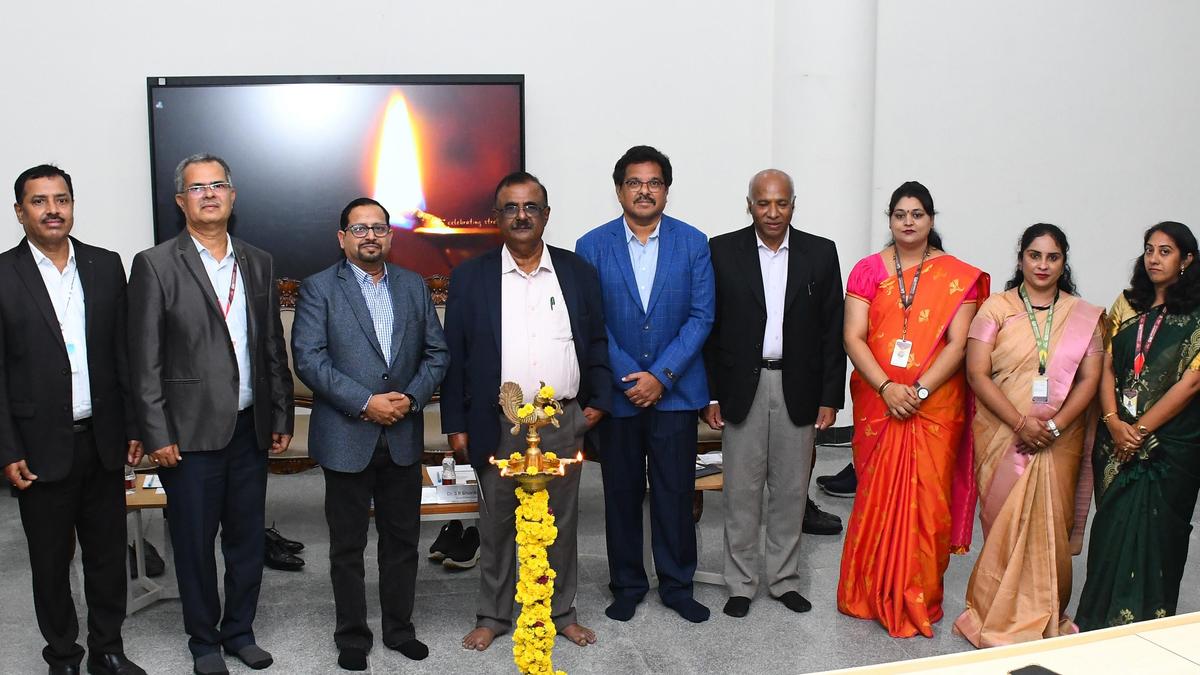
Debabrata Das of Bhoomi India argues that AI will not replace workers directly, but rather those who master AI will displace those who do not. The perspective emphasizes the urgent need for continuous skill upgrades and re-certification in a rapidly evolving job market.
The Evolving Landscape of AI and Employment
The recent keynote address by Debabrata Das, Vice-President and Country General Manager of Bhoomi India, at the VarthMan 2026 conference, provides a critical perspective on the intersection of artificial intelligence and the modern workforce. Speaking at GM University in Davangere, Das challenged the pervasive fear that AI serves as a direct replacement for human labor. Instead, he framed the technological shift as a competitive evolution where the proficiency in utilizing AI tools becomes the primary differentiator between professional survival and obsolescence.
The Shift from Replacement to Augmentation
The core of Das’s argument lies in the distinction between automation as a replacement for labor and automation as a tool for human enhancement. By stating that "it is the one that knows how to use AI effectively who will replace the other who does not know it," he highlights a shift in the labor market. This implies that the value of an employee is no longer tethered solely to their base knowledge or conventional skill sets, but rather to their adaptability and their ability to integrate machine-driven efficiencies into their daily workflows.
The Imperative for Continuous Learning
Das underscored that the rapid pace of technological innovation necessitates a paradigm shift in education and professional development. For students and working professionals, the era of static education is effectively over. The necessity for "continuous acquisition and upgrading of skills" is now a prerequisite for career longevity. This suggests that academic institutions, such as those hosting the VarthMan 2026 conference, must move beyond traditional curricula to foster an environment of lifelong learning that keeps pace with industry-wide transformations.
Addressing the Obsolescence of Conventional Practices
A significant portion of the discourse focused on the urgency of re-certification. As conventional knowledge and practices become increasingly outdated, the professional landscape faces a "skills gap" crisis. Das suggests that individuals cannot rely on legacy expertise to navigate the future. Instead, they must actively engage in processes that validate their ability to work alongside AI, ensuring their skill sets remain relevant as the tools of their trade undergo radical reinvention.
Broader Implications for the Workforce
The implications of these insights extend to both corporate strategy and national economic policy. If the workforce is to remain competitive, there must be a concerted effort to dismantle barriers to AI literacy. This requires a collaborative approach between universities, training bodies like GM Scientific Innovation and Research LLP, and the private sector. By focusing on the human-AI partnership, organizations can mitigate the risks of labor displacement while maximizing the productivity gains offered by new technologies.
Conclusion: Adapting to the New Normal
In conclusion, the message delivered at GM University serves as both a warning and an opportunity. The technological displacement of workers is not an inevitable outcome of AI's rise, but rather a consequence of failing to evolve. By prioritizing skill re-certification and embracing AI as a core competency, professionals can secure their roles in an increasingly automated world. The future of employment, according to Das, belongs to those who view AI not as a threat, but as an essential element of their professional toolkit.
Verification Required?