AI is quietly changing how portfolios are managed
Source Entity
Yahoo Finance
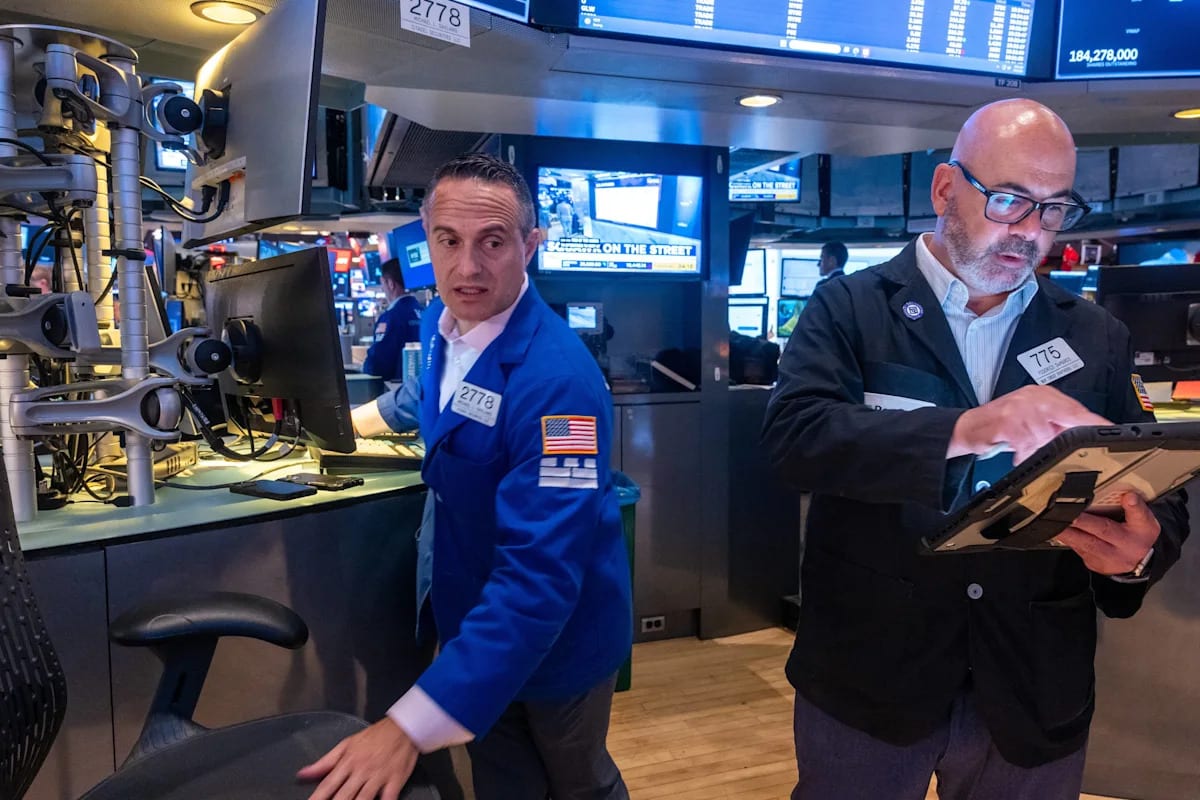
Artificial intelligence is increasingly being adopted by investment firms to automate portfolio monitoring and rebalancing rather than replacing human stock pickers. While AI enhances operational efficiency, experts emphasize that human judgment remains essential for complex financial decision-making.
The Silent Evolution of Asset Management
Artificial intelligence is fundamentally altering the landscape of asset management, though perhaps not in the way public perception suggests. While popular narratives often focus on AI's potential to predict stock market winners, the practical application within institutional investment firms is far more nuanced. Instead of acting as a crystal ball for identifying the next 'multi-bagger,' AI is being deployed as a sophisticated operational engine that functions primarily after the initial investment decisions have been finalized.
Moving Beyond Predictive Modeling
For years, the industry chased the dream of using machine learning to outperform the market through pure predictive modeling. However, reality has shifted the focus toward portfolio maintenance. Firms are now leveraging AI to monitor holdings on an ongoing basis, ensuring that portfolios do not drift outside their intended risk parameters. This shift represents a transition from speculative research-based AI to structural, process-oriented AI that enhances the hygiene and stability of existing investment portfolios.
The Role of Automated Rebalancing
One of the most significant impacts of this technology is in the realm of rebalancing. AI algorithms are now capable of flagging when an asset's performance necessitates an adjustment or when a superior, better-ranked alternative emerges that aligns with the fund’s strategy. By automating these adjustments, firms can maintain strict adherence to their mandate without the latency often associated with manual human intervention. This ensures that the portfolio remains optimized in real-time, regardless of market volatility.
Why Human Judgment Remains Paramount
Despite the operational efficiency gains, the consensus among industry experts is that AI is not currently poised to replace human financial advisers or portfolio managers. The distinction lies in the complexity of judgment. While an AI can calculate the optimal weight of a security based on quantitative data, it lacks the nuanced understanding of market psychology, long-term economic context, and the personalized goals that human advisers provide to their clients. AI serves as a tool to augment the manager, not to supersede them.
Future Trends and Market Implications
Looking ahead, we can expect a hybrid model to dominate the financial landscape. AI-powered ETFs and automated advisory services will likely continue to grow, appealing to investors who prioritize data-driven consistency and lower costs. Simultaneously, the role of the human adviser will likely pivot toward high-level strategy and client relationship management. The 'quiet' change occurring in these firms is not a displacement of labor, but an evolution of the workflow where technology handles the technical maintenance, allowing humans to focus on the strategic judgment that AI cannot replicate.
Conclusion
In summary, the integration of AI into finance is a story of operational optimization rather than total automation. By focusing on portfolio health, rebalancing, and risk monitoring, AI has become a quiet but indispensable partner in modern investment management. As the technology matures, its role will continue to solidify as a foundational component of financial operations, ensuring that portfolios remain disciplined while leaving the critical, high-stakes decisions to human expertise.
Multiple Citing Sources