Delhi Confidential: In Solidarity
Source Entity
The Indian Express
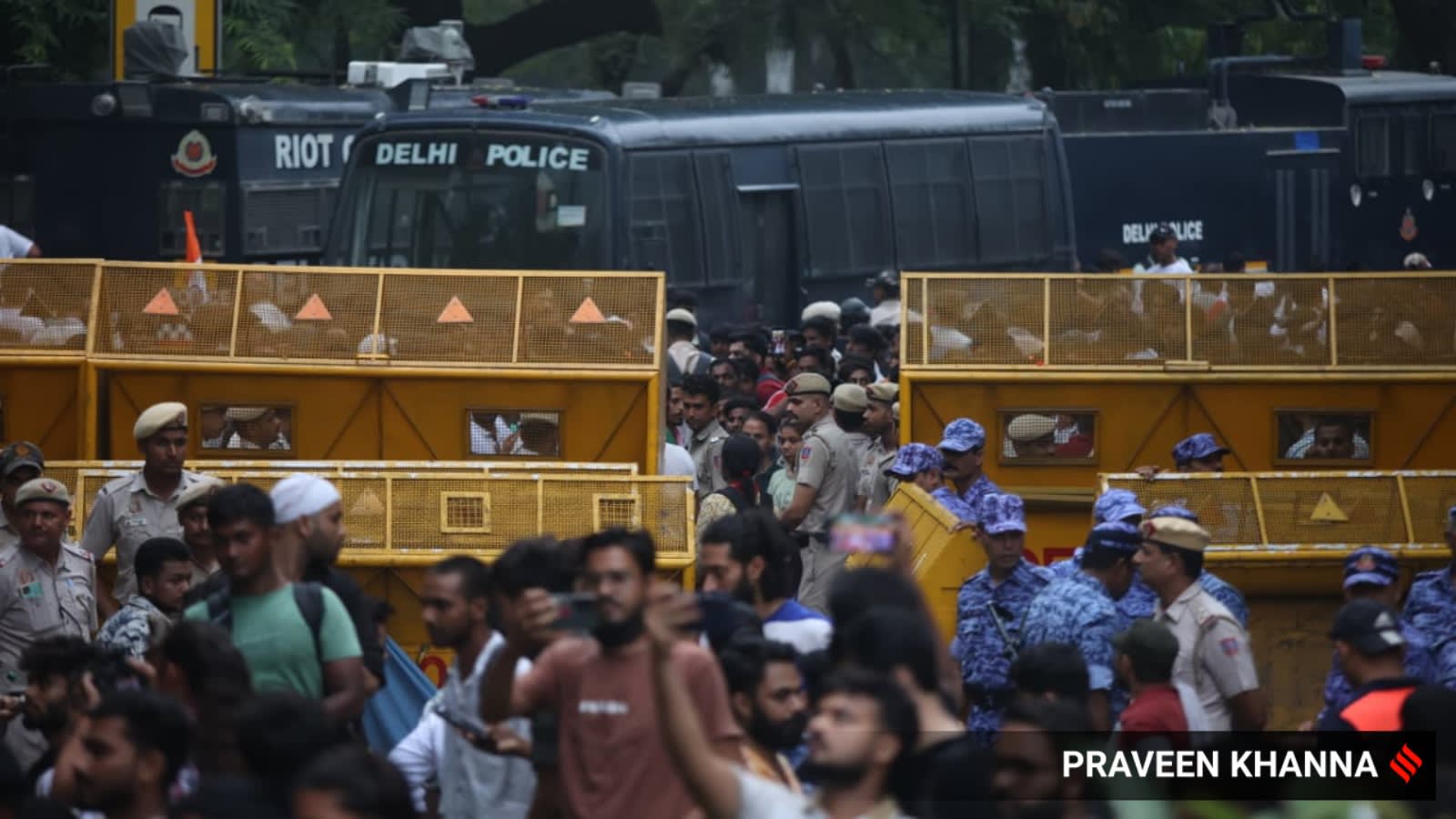
Protestors at Jantar Mantar, demonstrating against the NEET-UG 2026 paper leak, have received widespread support through crowdsourced food deliveries and volunteer-led sanitation efforts. Opposition MPs have visited the site to show solidarity following recent clashes with police.
Solidarity in Action: The Jantar Mantar Mobilization
The ongoing protests at Jantar Mantar regarding the NEET-UG 2026 paper leak have evolved into a significant display of public sentiment, characterized by both digital-age activism and grassroots community spirit. As the Cockroach Janta Party (CJP) continues its mobilization, the protest site has become a focal point for national attention, bridging the gap between physical demonstrations and remote support from citizens across India.
Digital Solidarity and the Gig Economy
One of the most striking developments in this protest is the use of food delivery platforms like Zomato and Swiggy as conduits for political solidarity. Internet users from cities as distant as Mumbai have utilized these apps to send meals directly to students and activists in Delhi. This phenomenon, exemplified by viral videos of delivery personnel navigating adverse weather to reach the protest site, highlights a new era of 'remote activism.' By leveraging the gig economy, supporters are providing tangible sustenance to those on the front lines, effectively turning commercial infrastructure into a tool for social support.
Civic Responsibility and 'Seva'
Beyond the influx of food, the protest site has seen a remarkable emphasis on self-governance and hygiene. Volunteers like Suhail Khan and Pramod Pal have taken it upon themselves to maintain the site, performing manual cleaning tasks to ensure the area remains sanitary despite the heavy footfall. This commitment to 'seva' (selfless service) reflects a deep-seated belief among participants that their right to protest carries an inherent responsibility to maintain public spaces. This effort serves to sustain the morale of the protesters and counter potential narratives that characterize such gatherings as disruptive or untidy.
Political Engagement and Legislative Attention
The gravity of the NEET-UG 2026 controversy has drawn significant political attention, particularly after the 'Sansad Chalo' rally faced intervention from Delhi Police through lathicharge and tear gas. Following these events, the protest site saw an influx of Opposition MPs, including leaders from Shiv Sena (UBT) and CPI(M). Their presence serves as a crucial bridge between the street-level agitation and the legislative chambers, providing a platform for the grievances of the students to be formally recognized at the highest levels of governance.
Broader Implications and Future Trends
This mobilization represents a convergence of traditional protest culture and modern digital connectivity. The ability of the public to provide direct, logistical support to protesters suggests a shift in how political movements are sustained over time. As the CJP and associated groups continue their agitation, the role of volunteers in maintaining the site's functionality—coupled with the symbolic and material support from political figures—will likely determine the longevity of the movement. The fusion of civic duty and political outcry underscores a growing trend where public trust in examination systems is being matched by an equally robust public demand for institutional accountability.
Multiple Citing Sources