Ladki Bahin scheme lesson: Maharashtra govt tightens screening before farm loan-waiver rollout
Source Entity
Alok Deshpande
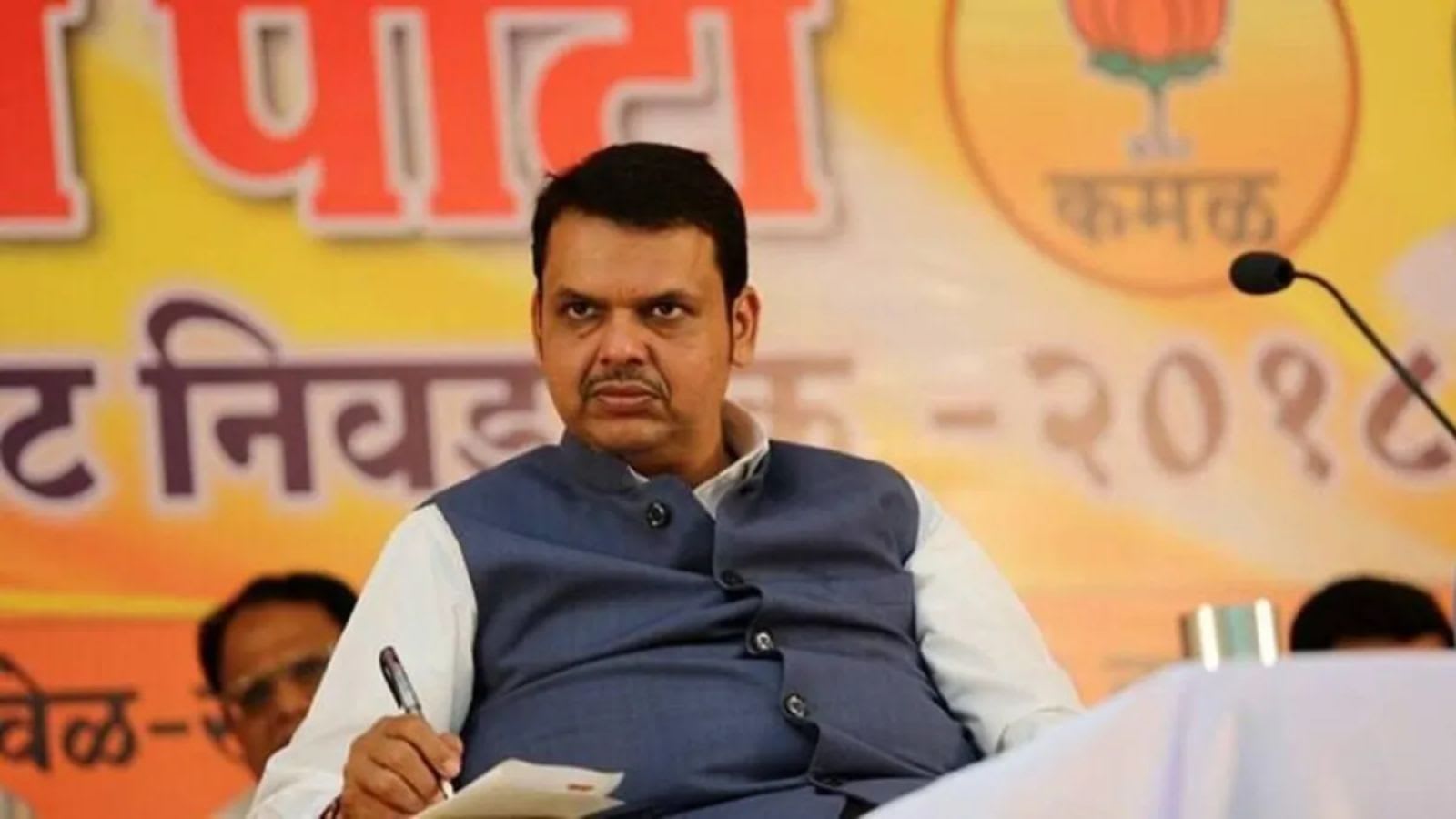
The Maharashtra government is implementing rigorous income tax verification for the Punyashlok Ahilyadevi Holkar Farm Loan Waiver Scheme. This move aims to prevent ineligible applicants and avoid controversies similar to those faced by the Ladki Bahin Yojana.
Maharashtra Tightens Farm Loan Waiver Oversight
The Maharashtra government is taking proactive measures to ensure the integrity of its latest welfare initiative, the Punyashlok Ahilyadevi Holkar Farm Loan Waiver Scheme. By integrating a multi-layered verification process, the state aims to rectify past administrative shortcomings and ensure that financial relief reaches only those who truly qualify under the stipulated guidelines.
Learning from Past Administrative Hurdles
The impetus for this heightened scrutiny stems directly from the controversy surrounding the Mukhyamantri Majhi Ladki Bahin Yojana. The government is acutely aware of the political and administrative fallout that occurs when benefit distribution lacks precision, leading to public criticism regarding the misuse of state resources. By tightening the screening process now, the administration is attempting to insulate the current farm loan waiver from similar accusations of inefficiency.
The Role of Income Tax Data in Verification
In a significant move toward digital governance, officials have shared the names of approximately 25 lakh probable beneficiaries with the Income Tax (I-T) Department. This cross-referencing is a crucial step in the eligibility verification process. By identifying farmers who are existing income tax payers, the government can systematically remove ineligible individuals from the list before the final rollout, ensuring that the waiver is strictly targeted at the intended agrarian demographic.
Transparency and Fiscal Responsibility
This approach signals a broader shift toward fiscal responsibility within state-sponsored welfare schemes. The Cooperation Department has emphasized that the exclusion of tax-paying farmers is a non-negotiable criterion, designed to maintain the fiscal health of the program. By utilizing existing national databases to validate individual claims, the government is reducing the room for human error and potential corruption.
Future Implications for Welfare Delivery
If successful, this model of rigorous pre-verification could set a new standard for how Maharashtra manages its flagship schemes. Future welfare programs may increasingly rely on real-time data integration with federal agencies to ensure that benefits are distributed equitably. This strategy not only protects the state's coffers but also boosts public trust in the administration's ability to execute complex, large-scale financial interventions.
Concluding Summary
Ultimately, the Maharashtra government’s decision to mandate I-T record checks for the Punyashlok Ahilyadevi Holkar Farm Loan Waiver Scheme represents a calculated effort to balance welfare goals with strict administrative compliance. By prioritizing data-driven validation, the state is taking necessary steps to ensure the sustainability and credibility of its agricultural support efforts.