Trump Says Imported Generic Drugs To Face 100% Tariff From August 2028
Source Entity
NDTV News Search Records Found 1000
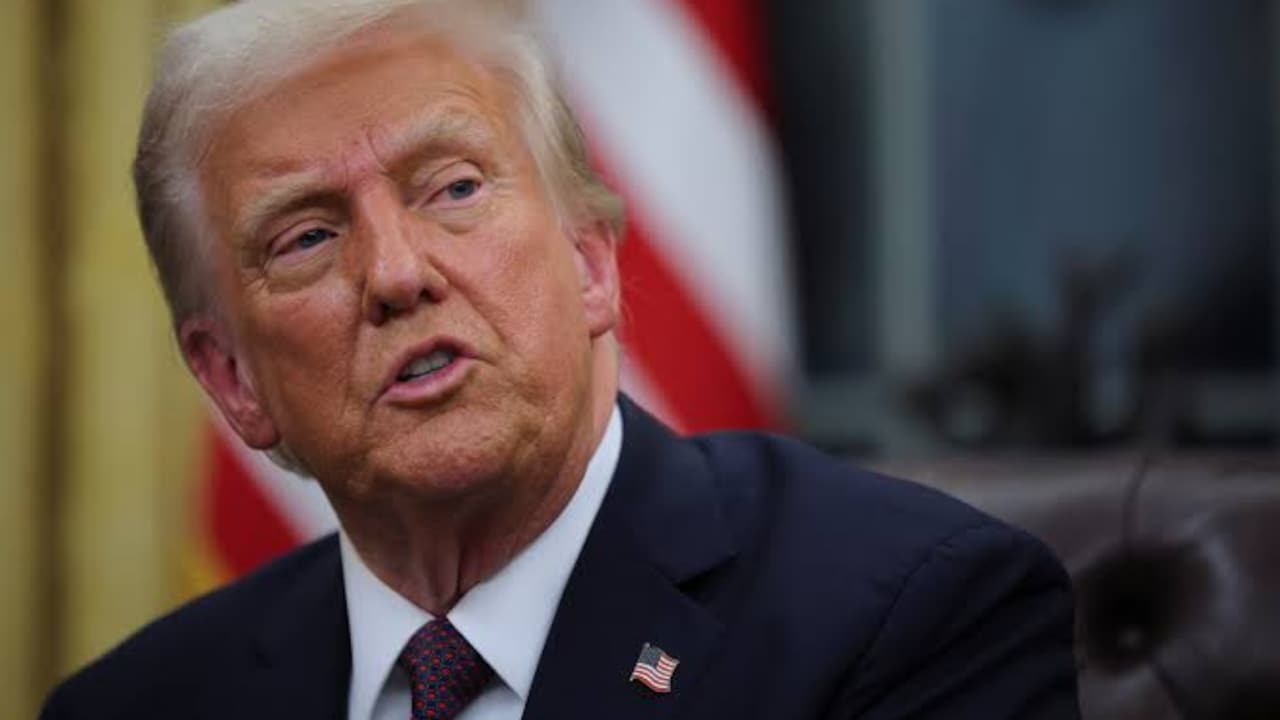
President Donald Trump has announced a phased tariff plan for imported generic drugs, rising to 200% by 2029 to incentivize domestic manufacturing. The policy aims to localize pharmaceutical production while exempting patented and branded medications.
The Shift Toward Pharmaceutical Sovereignty
President Donald Trump has unveiled an aggressive trade policy targeting the importation of generic pharmaceutical products. Under this new mandate, imported generic drugs will face a zero-tariff environment for two years starting August 1, 2026, which will serve as a grace period. This transitional phase is designed to provide pharmaceutical companies with the necessary time to restructure their supply chains before the first major tariff of 100% takes effect in August 2028. By 2029, this levy is scheduled to escalate to 200%, creating a prohibitive economic barrier for foreign-produced generics.
Strategic Objectives of Onshoring
The stated objective of this policy is the prioritization of American pharmaceutical independence. By imposing these steep financial penalties, the administration aims to force manufacturers to relocate their production facilities, plants, and supply chains within the United States. President Trump has framed this as a defensive measure intended to protect the American public, suggesting that reliance on foreign generic drug production constitutes a vulnerability in the nation's healthcare infrastructure. This initiative reflects a broader "America First" economic strategy, seeking to reduce dependence on international manufacturing hubs for essential medical supplies.
Distinguishing Between Drug Classes
It is critical to note that this trade policy is specifically calibrated to impact generic pharmaceuticals. According to the announcement, tariffs on patented and branded drugs will remain entirely unchanged. This distinction suggests a targeted effort to bolster the domestic market for non-proprietary medicines, which often see higher volumes of international production. By leaving the patented drug market untouched, the administration may be attempting to avoid immediate disruption to high-end pharmaceutical research and development, focusing instead on the high-volume generic sector that sustains everyday healthcare access.
Potential Global Economic Repercussions
Countries with significant generic pharmaceutical industries, such as India, are expected to face substantial challenges as a result of this policy. The global generic market relies heavily on cost-efficient manufacturing abroad, and a 200% tariff would fundamentally alter the price structure of these medications in the U.S. market. If manufacturers fail to relocate their operations to the U.S. within the allotted grace period, the resulting price hikes could have significant implications for domestic healthcare costs and global trade relations.
Future Trends and Implementation Challenges
As the August 2028 deadline approaches, the pharmaceutical industry will likely face intense pressure to undergo rapid industrial expansion within U.S. borders. The success of this policy depends on the ability of the private sector to scale domestic facilities quickly and efficiently. While the administration views this as a necessary step for national security and economic self-reliance, the long-term impact on drug accessibility and the cost of care for the American consumer remains a subject of significant debate. The phased nature of the tariff schedule suggests an acknowledgment of the complexity involved in moving global supply chains, yet the ultimate 200% levy signals a firm commitment to transforming the pharmaceutical landscape.
Multiple Citing Sources
Verification Required?