AI may change the price of your Big Mac and groceries — what this means for shoppers
Source Entity
US Top News and Analysis
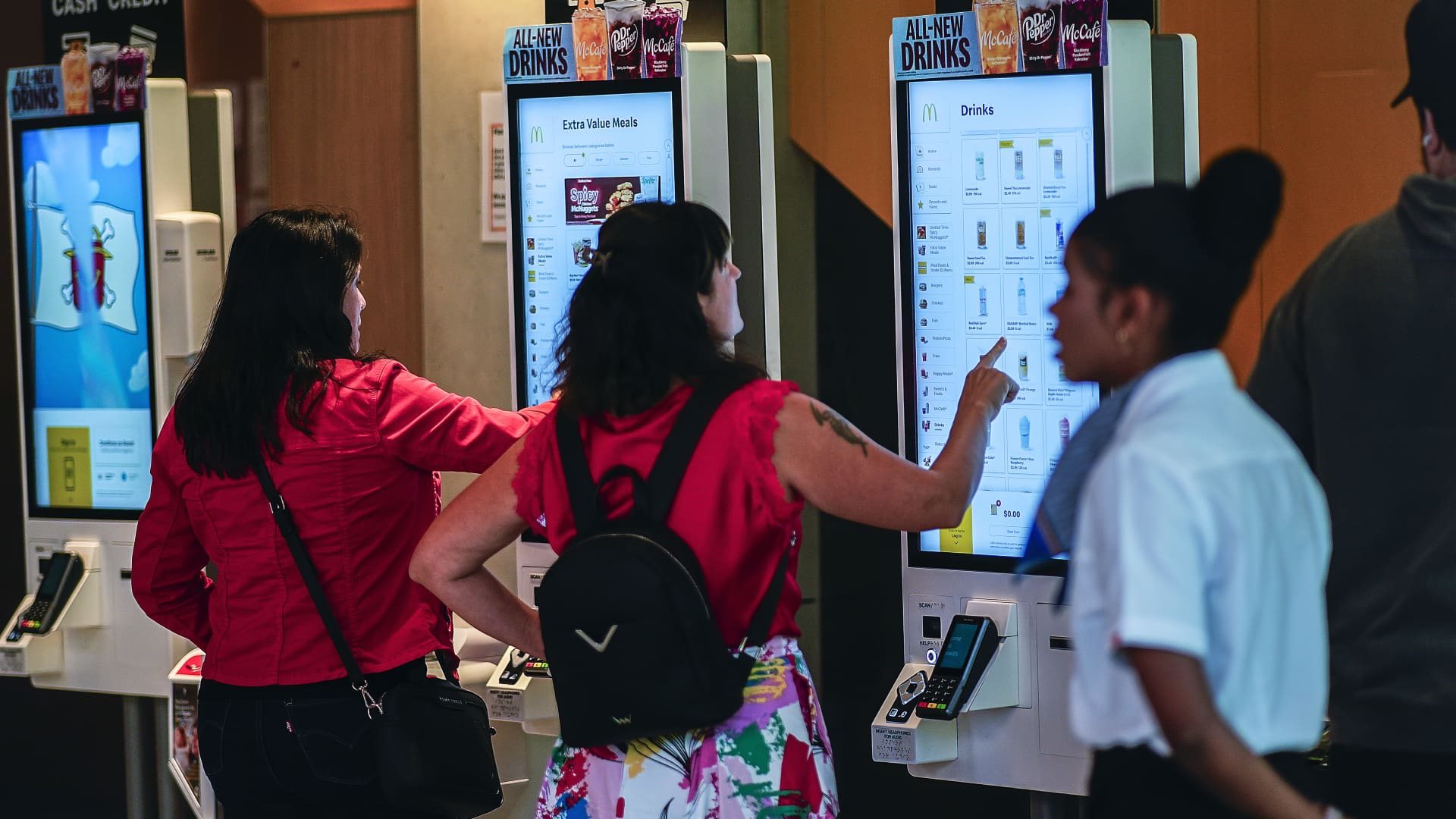
Retailers and fast-food chains are increasingly using AI tools for operations, sparking concerns over personalized pricing. A federal antitrust lawsuit against McDonald's has brought these practices into the spotlight, questioning if AI is being used to manipulate consumer costs.
The Intersection of AI and Consumer Pricing
The retail and fast-food landscape is currently undergoing a significant technological transformation, as companies increasingly integrate Artificial Intelligence (AI) to optimize operational efficiency. While these tools promise streamlined supply chain management and labor scheduling, they have simultaneously introduced a complex debate regarding the future of consumer pricing. The core concern revolves around the capacity for AI to leverage granular consumer data to transition from traditional market-based pricing to dynamic or personalized pricing models.
The McDonald's Antitrust Allegations
This shift has manifested in a high-stakes legal arena, specifically regarding a recent federal antitrust lawsuit filed against McDonald's. The litigation alleges that the fast-food giant utilizes a sophisticated AI-powered "pricing engine" to dictate menu costs across its U.S. franchise network. Plaintiffs contend that this technology allows for the systematic overcharging of customers for staples like Big Macs and fries. This case serves as a critical test for how regulatory bodies will interpret the use of algorithmic decision-making in retail pricing strategies.
Corporate Defense and Transparency
In response to these allegations, McDonald's has issued a firm denial, refuting the claim that their AI tools are designed to exploit individual consumer willingness to pay. The corporation maintains that the technology provided to franchisees serves as a supportive resource—offering research, recommendations, and operational data intended to guide local business decisions rather than enforce a predatory pricing structure. This tension highlights a growing "transparency gap" between corporate data utilization and consumer perception.
The Risk of Personalized Pricing
Beyond the specific allegations against McDonald's, the broader retail sector faces increased scrutiny. As supermarkets and restaurants collect more detailed data on purchasing habits, loyalty program history, and digital interactions, the technical barrier to implementing personalized pricing drops. If a company can predict exactly how much a customer is willing to spend based on their digital footprint, the incentive to abandon universal pricing becomes a significant ethical and competitive concern.
Future Trends and Regulatory Implications
Looking ahead, the integration of AI in pricing will likely force a reckoning within consumer protection law. If courts determine that algorithmic pricing constitutes unfair competition or deceptive practice, we may see a wave of new regulations requiring "algorithmic transparency" for retailers. The outcome of the current legal challenges will likely set the precedent for whether AI-driven price optimization is viewed as a standard business efficiency or an illicit manipulation of the market, ultimately shaping the cost of daily essentials for the average shopper.