CNBC Daily Open: 'Boring' trumps disorder and volatility
Source Entity
US Top News and Analysis
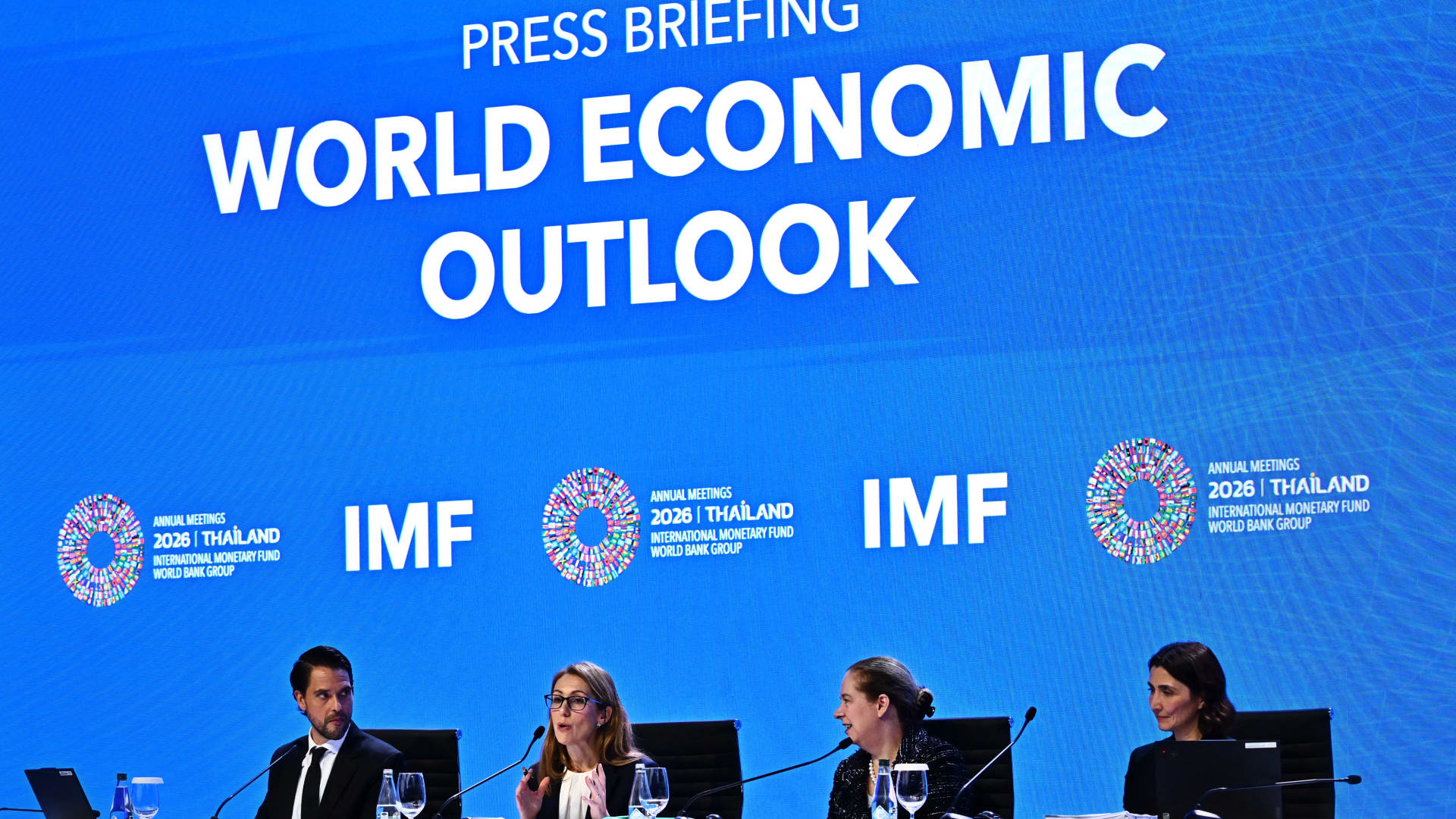
The IMF has issued a warning regarding global economic stability, citing risks from rising inflation and mounting national debt. Investors are being advised that market stability, even if characterized as 'boring,' is currently more favorable than volatile, disorderly conditions.
The Case for Stability in a Volatile Global Economy
As global markets navigate an increasingly complex fiscal landscape, the International Monetary Fund (IMF) has signaled a shift in the economic narrative. During the recent Annual Meetings of the IMF and the World Bank Group in Bangkok, officials including Chief Economist Silvana Tenreyro and Deputy Director Petya Koeva Brooks highlighted that the global economy is currently facing significant warning signs. The core of this concern lies in the twin pressures of persistent inflation and the rapid accumulation of national debt, both of which threaten to destabilize international financial systems.
The Virtue of 'Boring' Markets
In an era where retail investors often chase high-volatility assets and rapid market swings, the concept of a 'boring' market—defined by predictable, incremental movements—is frequently overlooked. However, the current IMF outlook suggests that such stability is not a negative, but rather a necessary defensive posture. When market disorder takes hold, the resulting volatility can lead to capital flight, currency devaluation, and liquidity crises, making the steady, unexciting path far more desirable for long-term institutional and retail health.
Debt and Inflation: A Dual Threat
The warning issued by the IMF regarding mounting debt is particularly poignant in the current geopolitical climate. As countries continue to grapple with the aftermath of massive fiscal stimulus programs, the burden of servicing this debt at higher interest rates is straining national budgets. When this is coupled with inflation, central banks are forced into a difficult balancing act: tightening monetary policy to quell price increases while simultaneously risking a broader economic slowdown. This feedback loop creates the exact type of disorder that the IMF is currently cautioning against.
Implications of the IMF’s Bangkok Briefing
The gathering at the Queen Sirikit National Convention Center serves as a critical junction for global economic policy. By bringing together figures like Deniz Igan and Jose Luis De Haro, the IMF is attempting to align global stakeholders on a path of fiscal consolidation. The emphasis on these specific warning lights suggests that the window for 'soft landing' scenarios is closing, and that nations must prioritize structural stability over the temptation of aggressive, risky fiscal expansions that exacerbate existing debt levels.
Looking Toward Future Trends
Looking ahead, the global economy is likely to see a divergence between nations that successfully manage their debt-to-GDP ratios and those that continue to ignore these 'warning lights.' Investors should expect continued pressure on emerging markets and a rotation toward high-quality, stable assets. The 'boring' market conditions advocated by the IMF may well be the hallmark of the next few years as the global economy attempts to deleverage and re-anchor itself in a post-inflationary reality. Maintaining a disciplined investment strategy during this period of transition will be essential for mitigating the risks of sudden, disorderly market shifts.