Opaque recurrence, and other AI terms that you should probably know
Source Entity
Natasha Lomas, Romain Dillet, Kyle Wiggers, Lucas Ropek
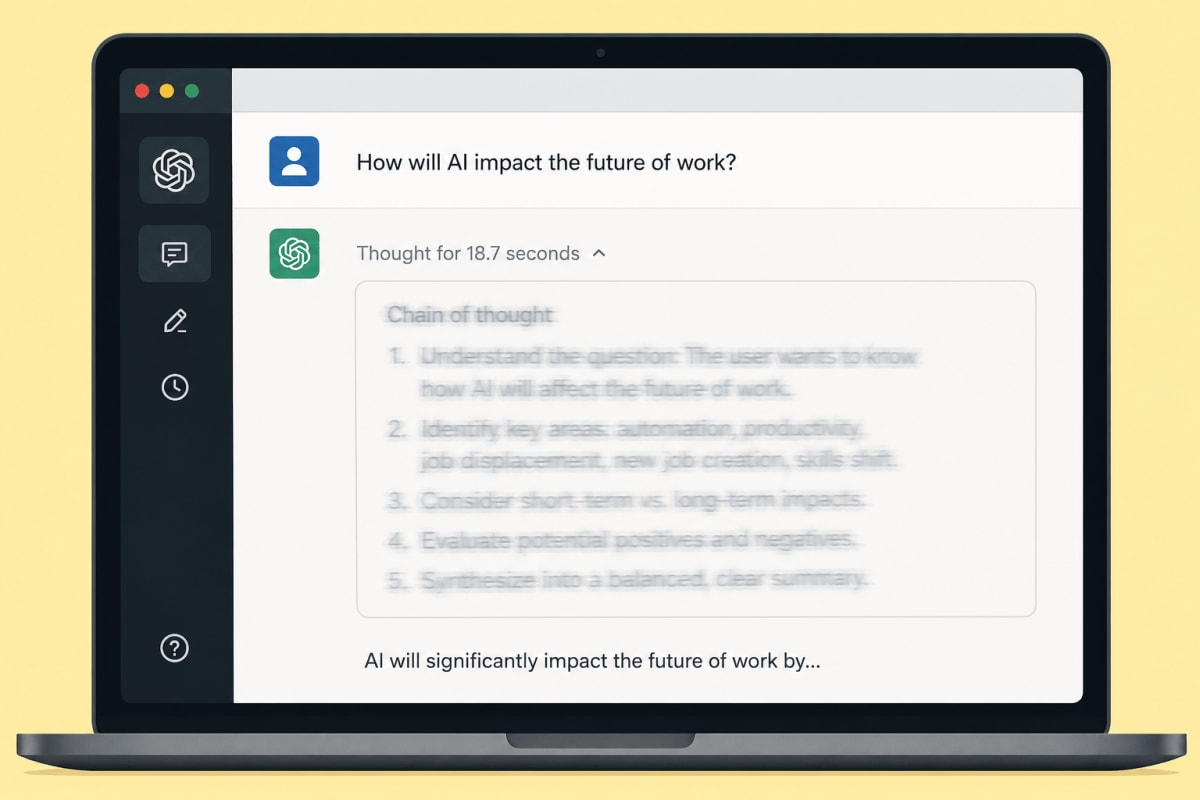
The rapid evolution of artificial intelligence has introduced a complex lexicon that creates barriers to understanding for many professionals. This analysis explores key terminology like 'opaque recurrence' and explains the necessity of maintaining updated glossaries to bridge the gap between technical innovation and general comprehension.
The Rapid Evolution of AI Lexicon
The technological landscape is currently undergoing a paradigm shift, as artificial intelligence fundamentally rewrites the mechanisms of software development and data processing. This transformation is not merely technical; it is linguistic. As AI models become more sophisticated, they bring with them an avalanche of new terminology—LLMs, RAG, RLHF—that can alienate even seasoned professionals. The emergence of terms like "opaque recurrence," recently associated with OpenAI’s Astra model, highlights how quickly the industry moves and how difficult it can be for non-specialists to maintain fluency.
Why Terminology Matters in AI Safety
The introduction of "opaque recurrence" is particularly significant because it has sparked legitimate concern among AI safety researchers. In the world of machine learning, terminology often serves as a shorthand for complex algorithmic behaviors. When a new reasoning technique surfaces, understanding its definition is not just an academic exercise; it is a critical component of risk assessment. By identifying these specific patterns, researchers can better anticipate how models might behave, identify potential failure points, and advocate for more robust safety protocols.
The Challenge of Insecurity in Tech
There is a palpable sense of insecurity among those who feel they are falling behind the curve. In product meetings, investment pitches, and public forums, the ability to converse fluently in AI jargon has become a marker of competency. This creates an environment where "keeping up" is not just a professional goal but a necessity for survival in the tech economy. Glossaries and educational resources serve as essential infrastructure to democratize this knowledge, ensuring that the discourse remains inclusive and accessible.
Bridging the Gap: The Role of Living Glossaries
Because the field of AI is characterized by "living" evolution, static dictionaries are insufficient. The constant updates to AI capability necessitate a corresponding update in how we describe these systems. By providing plain-English definitions for complex phrases, industry analysts help bridge the gap between niche technical developments and the broader public interest. This ongoing process of translation is vital for stakeholders—from developers to investors—to make informed decisions about the technology they are building or funding.
Future Trends and Linguistic Adaptation
As we look forward, we can expect the vocabulary of AI to become even more specialized as new architectures are developed. The rapid invention of terms will likely continue as long as the pace of innovation remains high. Future trends suggest that the most successful organizations will be those that prioritize internal literacy, ensuring that their teams are not just using the technology, but fully understanding the nuances of the processes they are employing. Ultimately, mastering the language of AI is a prerequisite for mastering the technology itself.