AIIMS Delhi urges schools to support students with diabetes, suggests 5 ways to help
Source Entity
The Indian Express
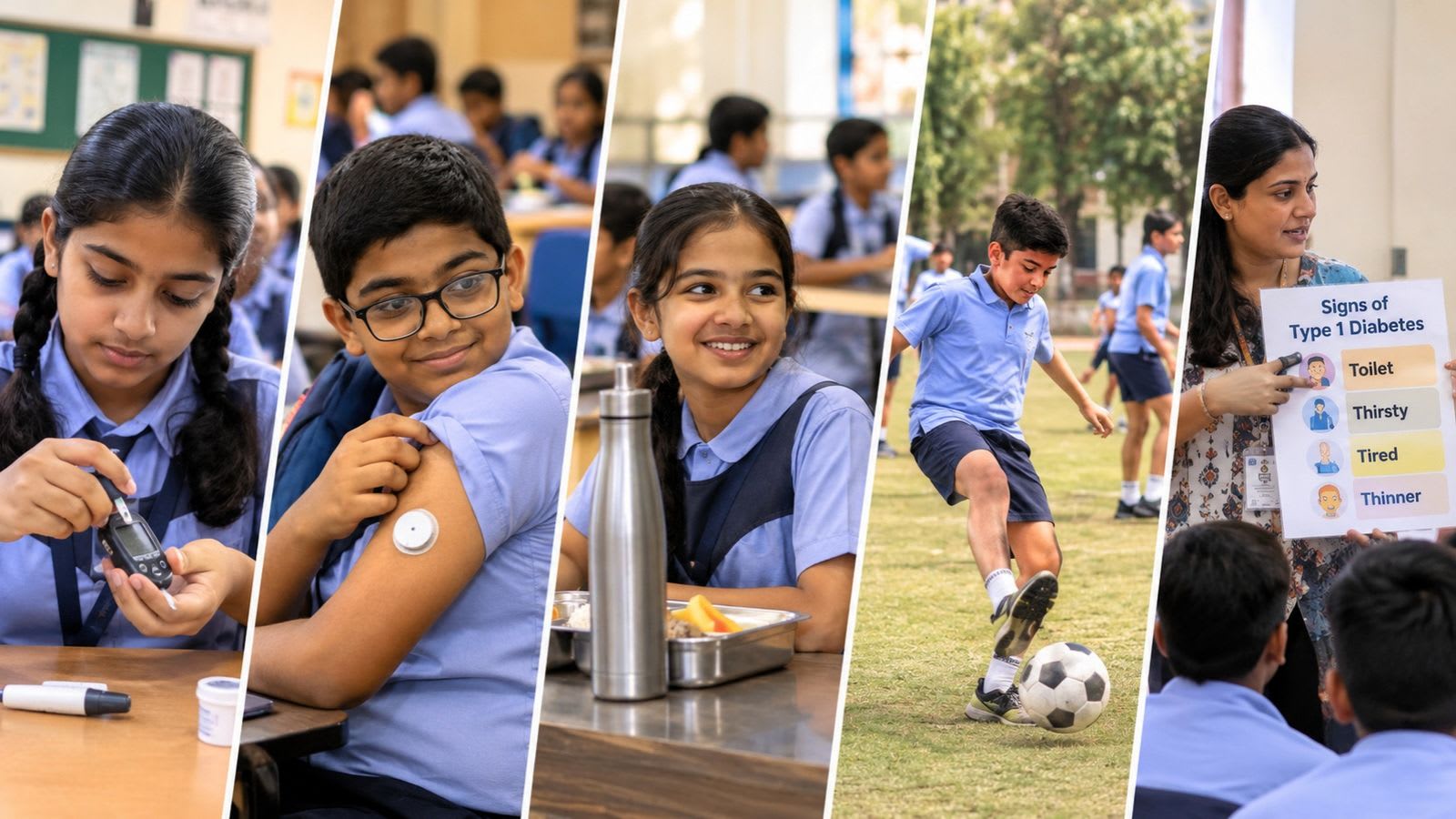
AIIMS Delhi has issued new guidelines urging schools to create a supportive environment for students with Type 1 diabetes. The recommendations focus on enabling insulin administration, blood glucose monitoring, and ensuring non-discriminatory participation in school activities.
Enhancing Educational Inclusivity for Students with Type 1 Diabetes
The All India Institute of Medical Sciences (AIIMS) Delhi has recently taken a significant step toward improving the quality of life for students living with Type 1 diabetes. By urging educational institutions to adopt more inclusive policies, AIIMS aims to bridge the gap between medical management and the daily school experience. This initiative, highlighted during a national engagement organized by HRIDAY, emphasizes that the school environment is a critical component of a child's health management strategy, necessitating proactive cooperation from administrators and educators.
The Necessity of School-Based Support
For children with Type 1 diabetes, the school day is not merely a place for academic learning but a setting where critical medical management must occur. The recommendations provided by AIIMS underscore the importance of allowing students to monitor their blood glucose levels and administer insulin during school hours. Without these accommodations, students may face significant health risks, including hypoglycemia or hyperglycemia, which can severely impact their cognitive performance and long-term well-being. Ensuring these facilities are available is a matter of both health equity and basic human rights.
Promoting Non-Discrimination in Sports
Beyond clinical management, AIIMS has highlighted the need for schools to allow children with Type 1 diabetes to participate in sports and extracurricular activities without discrimination. Historically, children with chronic conditions have often been sidelined due to misconceptions about their physical capabilities. By encouraging active participation, the medical community is moving toward a model that views diabetes management as a manageable aspect of life rather than a barrier to achievement. This shift is essential for the psychological development and social integration of these students.
Addressing the Challenges of Management
Dr. Nikhil Tandon, Director of AIIMS Delhi, has emphasized that support for these children must extend far beyond the initial diagnosis. Effective management requires a collaborative ecosystem involving parents, teachers, and school staff. The recent discussions highlighted the everyday hurdles children face at home and in their communities, suggesting that schools act as a secondary support system. By equipping children to manage their condition confidently within the school premises, institutions can foster a sense of autonomy and resilience.
Future Trends and Educational Policy
The call from AIIMS represents a broader trend in public health where institutional settings are increasingly being held accountable for the holistic health of the individuals they serve. As Type 1 diabetes requires constant vigilance, the integration of health management into school policies is likely to become a standard expectation rather than an optional courtesy. Moving forward, the success of these recommendations will depend on the implementation of training programs for school staff, ensuring they are prepared to assist students in a safe and informed manner.
Conclusion: A Collaborative Path Forward
In summary, the initiative by AIIMS Delhi is a vital intervention aimed at creating a safer, more supportive landscape for students with Type 1 diabetes. By addressing the logistical needs of glucose monitoring and insulin administration, alongside the emotional need for inclusion in sports, AIIMS is advocating for a comprehensive approach to pediatric care. This shift not only protects the immediate health of these students but also empowers them to pursue their education and extracurricular goals with the same confidence as their peers.