Air India flight bound for Kathmandu turns back to Delhi after 'technical issue'
Source Entity
AADRITA HALDER
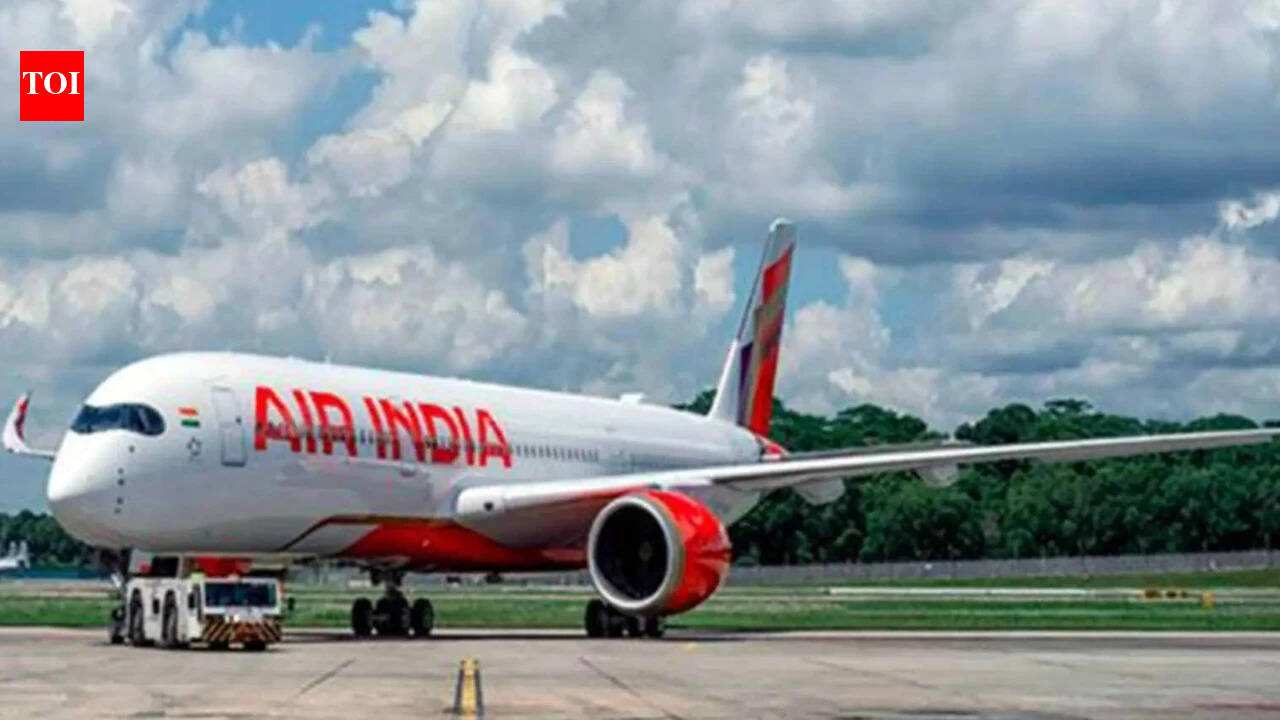
An Air India flight bound for Kathmandu was forced to return to New Delhi shortly after takeoff due to an unspecified technical issue. The aircraft was diverted while over Lucknow, and the airline has expressed regret for the inconvenience caused to passengers.
Air India Flight AI219 Incident Overview
On the afternoon of the incident, Air India flight AI219, an A320-214 aircraft, departed New Delhi at 2:42 pm IST, bound for Kathmandu, Nepal. The flight, however, did not complete its journey as planned. Shortly after takeoff, while the aircraft was navigating toward Nepali airspace, the flight crew encountered an unspecified technical issue that necessitated an immediate diversion back to its point of origin in New Delhi.
The Mechanics of the Diversion
According to officials at Kathmandu's Tribhuvan International Airport, the aircraft was diverted while it was in the airspace above Lucknow. This decision highlights the standard operating procedures in aviation, where flight crews prioritize the safety of the vessel and its passengers the moment a technical anomaly is detected. By turning back before entering international airspace, the airline ensured that the aircraft remained within a jurisdiction where logistical and maintenance support was readily available.
Operational Implications and Safety Protocols
While the specific nature of the 'technical issue' remains officially unconfirmed, such incidents are common in the aviation industry and are handled through rigorous safety protocols. Modern aircraft like the Airbus A320 are equipped with redundant systems designed to provide pilots with the necessary information to make proactive decisions. Diverting back to a primary hub like Delhi allows the carrier to utilize its established maintenance facilities to diagnose and rectify the problem efficiently.
Impact on Passengers and Airline Response
Air India has acknowledged the incident and expressed regret for the inconvenience caused to the passengers on board. For travelers, such disruptions are understandably frustrating, involving delays and the need for re-accommodation. However, the airline's decision to prioritize technical integrity over schedule adherence is a fundamental aspect of commercial aviation safety, ensuring that no risk is taken once a mechanical concern is identified.
Broader Context of Aviation Reliability
Incidents involving technical diversions serve as a reminder of the complex logistical nature of regional air travel between India and Nepal. As connectivity between New Delhi and Kathmandu continues to be a vital link for commerce and tourism, the reliability of these flight paths remains a priority for regional carriers. The swift resolution of such technical issues is essential to maintaining passenger confidence in transit between these two major South Asian capitals.
Conclusion
In summary, the diversion of Air India flight AI219 was a calculated safety measure taken in response to an unforeseen mechanical issue. While details regarding the specific technical failure are pending, the successful return to Delhi confirms that the safety procedures were executed correctly. The airline's focus remains on investigating the root cause of the problem while addressing the immediate travel needs of the affected passengers.