As monsoon withdrawal begins, season may end with 10% deficit
Source Entity
VISHWA MOHAN
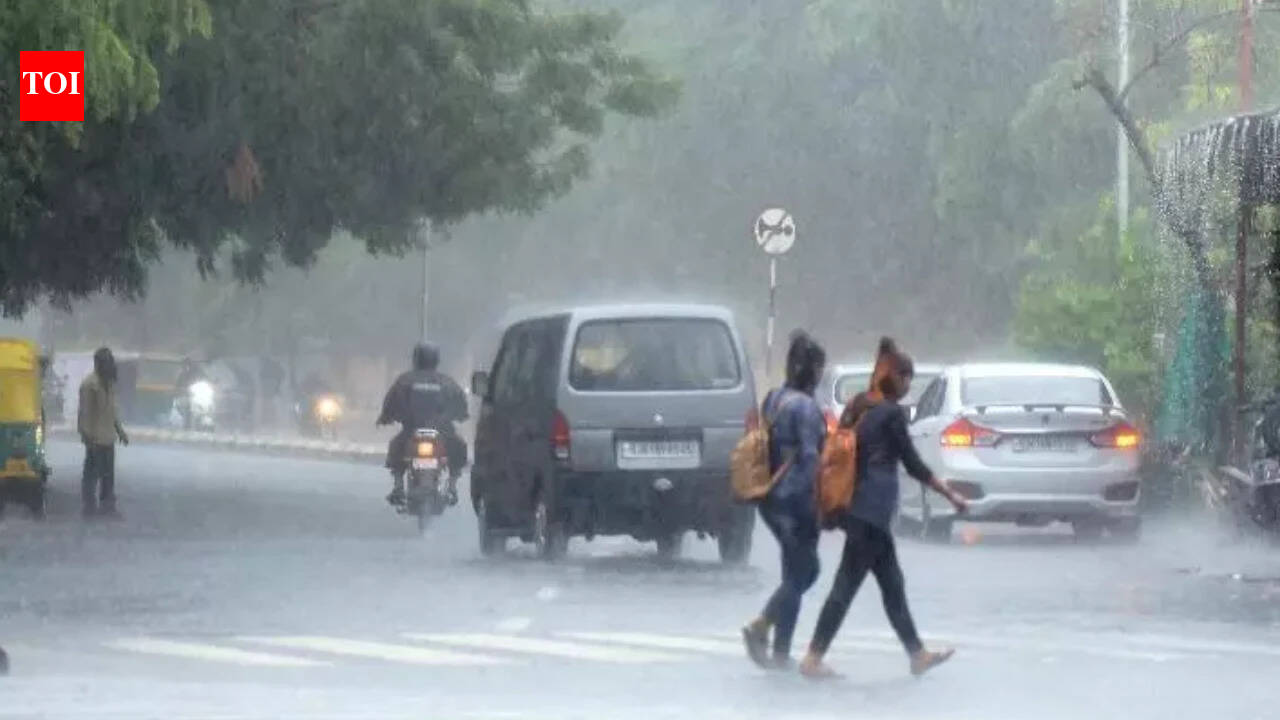
The southwest monsoon has officially begun its withdrawal from northwest India, starting with parts of Rajasthan. Despite this retreat, nearly 43% of the country faces a rainfall deficit, with total seasonal precipitation currently tracking 15% below normal.
The 2026 Monsoon Retreat: A Season of Deficits
The India Meteorological Department (IMD) has officially confirmed that the southwest monsoon has begun its withdrawal from the northwestern regions of India. Starting on September 19, the retreat commenced in west Rajasthan, with the withdrawal line currently passing through Ramgarh, Mohangarh, Phalodi, and Khajuwala. This event marks the transition from the wet season to the post-monsoon period, occurring just four days after the climatological normal date of September 17.
Widespread Rainfall Deficits
While the withdrawal is proceeding in a timely manner, the broader narrative of the 2026 monsoon season is defined by significant moisture deficiency. As of September 19, the country has recorded a cumulative rainfall deficit of 15% for the period spanning June 1 to September 19. Perhaps more concerning is the regional distribution of this shortfall: approximately 43% of India's total geographical area is currently classified as rain-deficient, posing significant challenges for agricultural planning and water resource management.
Regional Impacts and Severity
The severity of the rainfall shortage is underscored by the fact that 14 states across India have reported a rainfall deficit exceeding 20%. This uneven distribution of precipitation suggests that while the monsoon is concluding, the hydrological impact will be felt long after the winds shift. The IMD indicates that conditions remain favorable for further withdrawal from remaining parts of Rajasthan, as well as Punjab and the Saurashtra-Kutch region over the next three to four days.
Climatological Context
Historically, the withdrawal of the monsoon is a gradual process that begins in the arid regions of northwest India before sweeping across the subcontinent. The 2026 retreat aligns closely with historical norms, yet the preceding months have been characterized by erratic rainfall patterns. A 15% nationwide deficit suggests that the system failed to deliver the consistent moisture required for optimal crop yields, particularly in the states currently struggling with more than 20% lower-than-average precipitation.
Broader Implications and Future Outlook
The persistence of a 43% geographic rain deficit as the season ends highlights the vulnerability of India’s agrarian economy to climate variability. Inadequate rainfall during the monsoon months typically leads to lower groundwater recharge rates and reduced reservoir levels, which can impact the upcoming rabi (winter) crop season. As the withdrawal continues, local authorities will need to assess the long-term impact on water security.
Conclusion
In summary, while the 2026 monsoon is retreating on schedule, it leaves behind a landscape marked by substantial moisture scarcity. With nearly half of the nation experiencing significant deficits, the focus now shifts from monitoring seasonal rainfall to managing the consequences of a year where the monsoon struggled to meet its full potential. The coming weeks will be critical in determining the resilience of regional water systems as the country enters the post-monsoon phase.
Multiple Citing Sources