Booking app, airline to pay Rs 70,000 after passenger ‘denied’ return ticket money
Source Entity
Richa Sahay
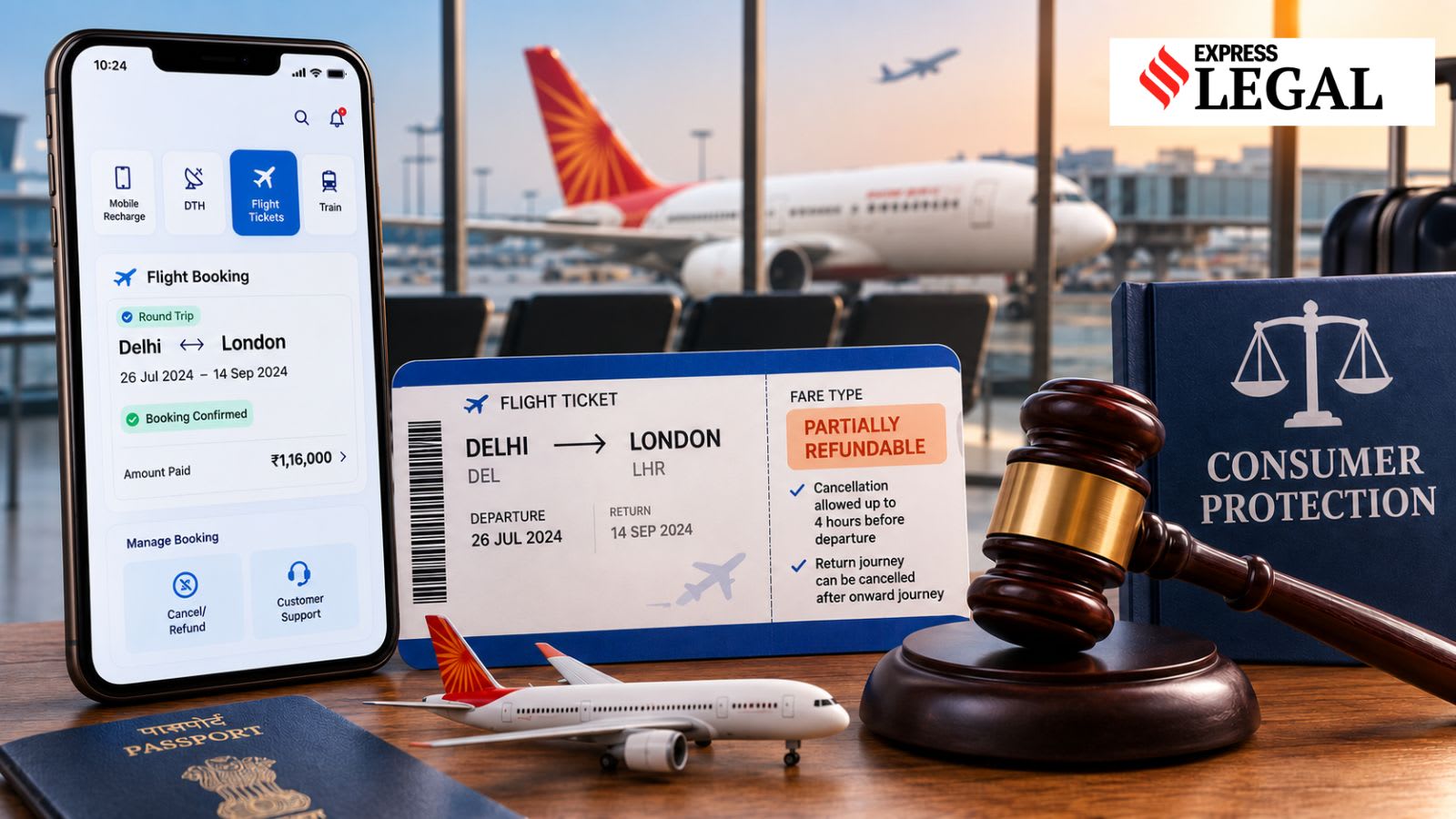
A Delhi consumer commission has ordered Air India and Paytm to pay Rs 70,000 in refunds and compensation to a passenger for failing to process a return ticket refund. The ruling highlights the accountability of both airlines and online booking platforms in consumer grievance redressal.
Consumer Rights and Accountability in the Digital Age
The recent ruling by the South Delhi district consumer commission, presided over by President Monika A. Srivastava and member Kiran Kaushal, marks a significant moment in the intersection of digital travel booking and consumer protection. By holding both Air India and Paytm jointly liable, the commission has reinforced the principle that intermediaries and service providers cannot absolve themselves of responsibility when a transaction fails to meet consumer expectations. The case of Neeraj Kumar Kanojia highlights the frustrations faced by passengers when a simple refund process becomes an administrative deadlock.
The Complexity of Airline Refund Policies
At the heart of this dispute is the opaque nature of ticket pricing and the lack of fare splitting between onward and return journeys. The commission noted that airlines often fail to provide a clear breakdown of costs for round-trip bookings, which complicates the refund process when a passenger needs to cancel only one leg of their travel. This lack of transparency forces consumers into a difficult position where they are left to navigate the bureaucratic maze between the airline and the third-party booking platform, often resulting in neither party taking ownership of the refund request.
The Role of Intermediaries
Paytm, acting as the booking interface, was directed to pay Rs 20,000 in compensation for its role in the failure to process the refund. This decision serves as a stern reminder to fintech and booking platforms that they are not merely passive conduits for transactions. When these platforms provide booking services, they assume a duty of care to ensure that services promised—including refund policies for partially refundable tickets—are honored. The ruling suggests that platforms must improve their integration with airline systems to provide real-time, accurate, and accessible refund support.
Judicial Intervention and Consumer Protection
This order underscores the efficacy of India’s consumer commission system in addressing individual grievances that might otherwise remain unresolved. By directing Air India to refund Rs 50,000 for the return ticket, the commission has upheld the rights of the consumer against large corporate entities. The legal insistence on accountability provides a necessary check, ensuring that companies cannot hide behind complex terms and conditions or the 'split-responsibility' defense when a legitimate refund is requested.
Broader Implications for the Travel Industry
Looking ahead, this verdict is likely to set a precedent for how consumer disputes are handled in the digital travel space. Airlines and online travel agencies (OTAs) will likely face increased pressure to standardize their refund workflows and improve transparency regarding fare structures. As more consumers shift to digital booking, the demand for seamless grievance redressal will become a critical differentiator in the market. Companies that fail to prioritize consumer-centric refund processes risk not only legal repercussions but also significant reputational damage in an increasingly competitive digital landscape.