Pilot of turbulence-hit AI flight that dropped 300 ft fails 2nd dope test: Sources
Source Entity
SAURABH SINHA
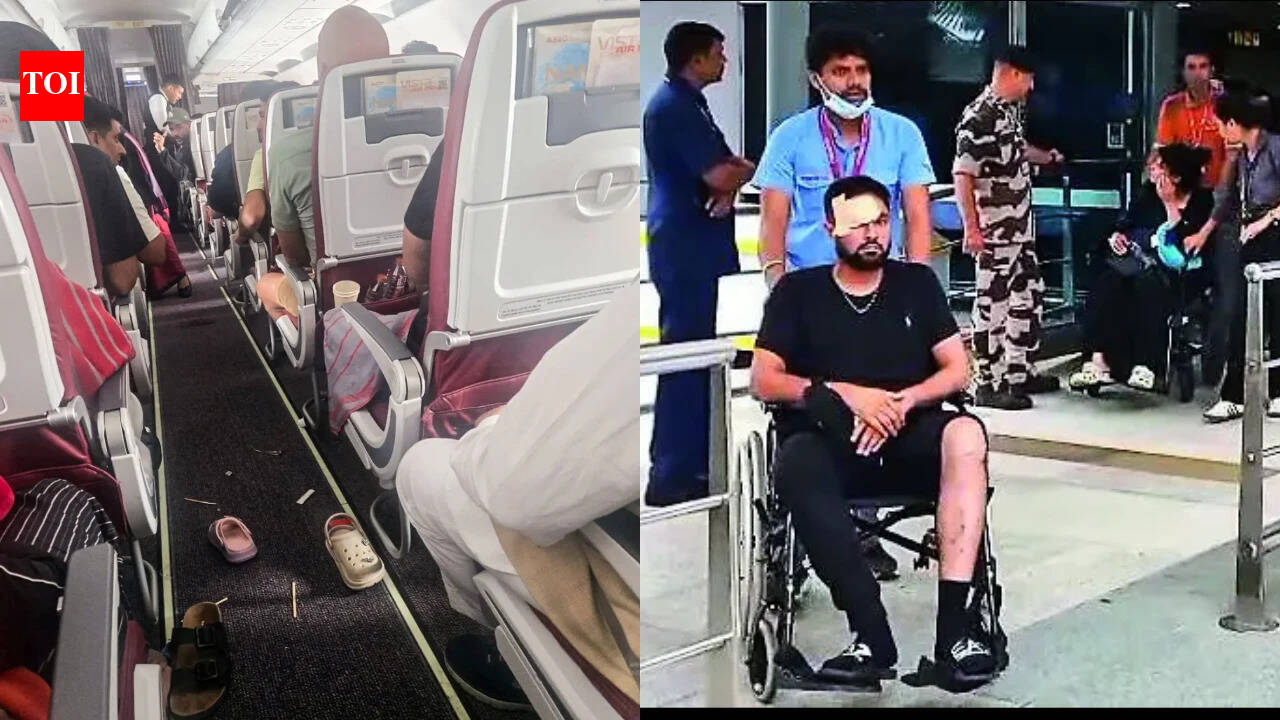
An Air India flight from Phuket to Delhi experienced a sudden 300-foot altitude loss, resulting in 17 injuries. Authorities are currently investigating the incident, with the pilot-in-command undergoing confirmatory drug testing after an initial non-negative screening.
Investigation Underway: Air India Altitude-Loss Incident
On August 4, 2026, an Air India Airbus A320 operating flight AI2379 from Phuket to Delhi encountered a serious flight-control event, resulting in a sudden 300-foot loss of altitude during cruise. The incident, which left 17 passengers and cabin crew members injured, has prompted an immediate investigation by the Aircraft Accident Investigation Bureau (AAIB) to determine the root cause of the mid-air instability.
The Role of Psychoactive Substance Testing
Following the incident, mandatory testing protocols were initiated for the flight crew. The Ministry of Civil Aviation (MoCA) confirmed that the pilot-in-command's initial psychoactive substance screening returned a "non-negative" result. In aviation safety protocols, a non-negative result necessitates confirmatory testing, as initial screenings can occasionally be triggered by common medications or dietary factors. The aviation community is now awaiting these final results to clarify whether substance use played a role in the event or if the finding was a false positive.
Regulatory and Administrative Scrutiny
The seriousness of the event has triggered high-level administrative action. Reports indicate that Air India’s outgoing CEO, Campbell Wilson, has engaged in discussions with officials from the Ministry of Civil Aviation and the Directorate General of Civil Aviation (DGCA). While the exact nature of these meetings remains under scrutiny, the involvement of top-tier regulators underscores the gravity with which the Indian government is treating this flight-control event.
Mechanical vs. Human Factors
The investigation is currently operating on two parallel tracks: technical mechanical failure and human performance. Because the aircraft experienced a rare flight-control event rather than standard turbulence, engineers are analyzing the A320’s data recorders to assess whether a system malfunction contributed to the altitude drop. Simultaneously, the focus on pilot behavior—compounded by the ongoing drug testing process—highlights the strict regulatory standards imposed on commercial pilots to ensure passenger safety.
Broader Implications for Aviation Safety
This incident serves as a critical case study for international aviation safety standards. The requirement for confirmatory testing after an initial screening is a vital safeguard, ensuring that pilots are not unfairly penalized for benign factors while maintaining a zero-tolerance policy for impairment in the cockpit. As the AAIB continues its probe, the results will likely influence future protocols regarding crew health monitoring and the maintenance oversight of Airbus A320 fleets operating within the region.
Conclusion
The incident on flight AI2379 remains a developing situation of significant concern. With 137 passengers and 8 crew members on board, the safe, albeit jarring, landing in Delhi prevented a greater catastrophe. The aviation industry now awaits the dual findings of the AAIB’s technical report and the pilot’s confirmatory test results, which will collectively determine the next steps for Air India and the regulatory framework governing its operations.