‘Will update when there is one’: India on Dhaka’s Hasina extradition request
Source Entity
Latest News: Todays Latest News Headlines from India & World | Hindustan Times | Hindustan Times
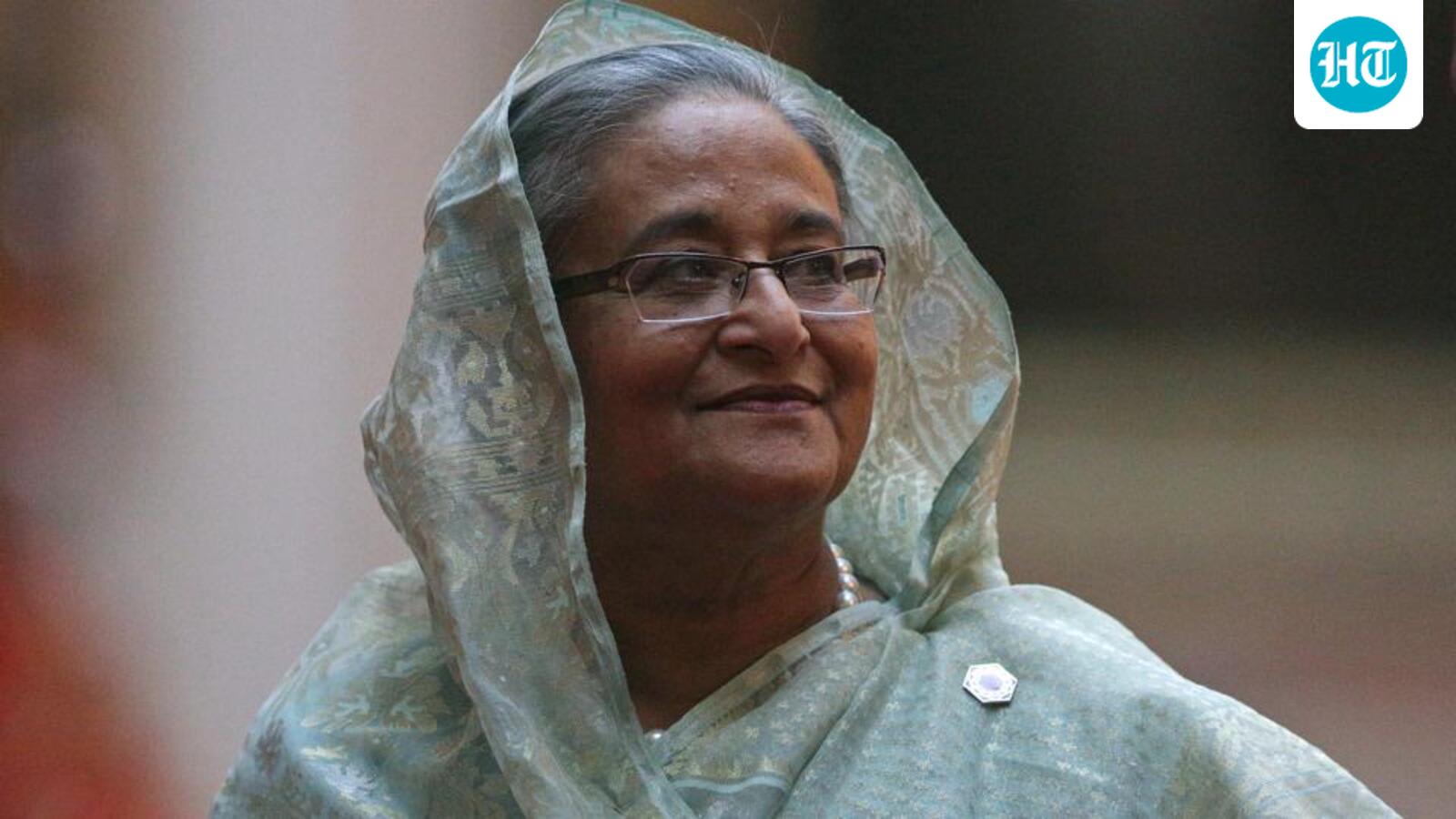
India is currently evaluating Bangladesh's request for the extradition of former PM Sheikh Hasina, who has been in self-exile since August 2024. The matter has become a primary diplomatic friction point, prompting high-level consultations between Indian envoy Dinesh Trivedi and PM Narendra Modi.
Diplomatic Strains: The Hasina Extradition Dilemma
The ongoing diplomatic discourse between New Delhi and Dhaka has reached a critical juncture following the formal request from Bangladesh to expedite the extradition of former Prime Minister Sheikh Hasina. Hasina, who has resided in India under self-exile since August 2024, remains the focal point of a complex geopolitical standoff. Indian Ministry of External Affairs spokesperson Randhir Jaiswal has confirmed that the request is currently being examined through established legal and diplomatic processes, though no definitive decision has been rendered.
The Catalyst: Escalating Tensions
This diplomatic friction intensified significantly following a meeting between Bangladeshi Prime Minister Tarique Rahman and Indian High Commissioner Dinesh Trivedi. During this session, Dhaka explicitly underscored the necessity of prioritizing the extradition process. The situation is further complicated by recent public remarks made by the former premier, which reportedly caused additional agitation within the Bangladeshi political establishment, transforming the extradition request into the primary irritant in bilateral relations.
Strategic Consultations in New Delhi
In a move to navigate these turbulent waters, High Commissioner Dinesh Trivedi traveled to New Delhi immediately following his discussions in Dhaka to meet with Prime Minister Narendra Modi. This meeting was framed as a pursuit of high-level guidance to ensure the preservation of "enduring" and "multifaceted" ties between the two nations. The official messaging from the Indian High Commission emphasizes a "people-centric approach," suggesting that New Delhi is seeking to balance legal obligations with the broader strategic necessity of maintaining regional stability.
Historical Context and Regional Stability
India and Bangladesh share a historically profound relationship defined by deep cultural, economic, and security interdependencies. The current impasse presents a unique challenge to this partnership. Historically, both nations have relied on constructive, high-level dialogues to resolve disputes; however, the transition in Dhaka’s leadership has introduced a paradigm shift in how these issues are managed. The demand for Hasina's return represents a significant test of the current administration’s ability to manage domestic political pressures in Bangladesh while maintaining a constructive rapport with India.
Future Trends and Implications
Looking forward, the resolution of this extradition request will likely dictate the tone of Indo-Bangladesh relations for the near term. If India proceeds with a cautious, process-oriented examination, it may provide the necessary diplomatic buffer to prevent a total breakdown in communication. However, the pressure from Dhaka to expedite the process remains a persistent variable. The focus on a "constructive manner" and "people-centric approach" indicates that both nations are keen to avoid a complete rupture, prioritizing long-term regional cooperation over the immediate volatility caused by the former leader's presence in India.
Verification Required?