Ajit Doval, Iran counterpart discuss West Asia security situation
Source Entity
The Indian Express
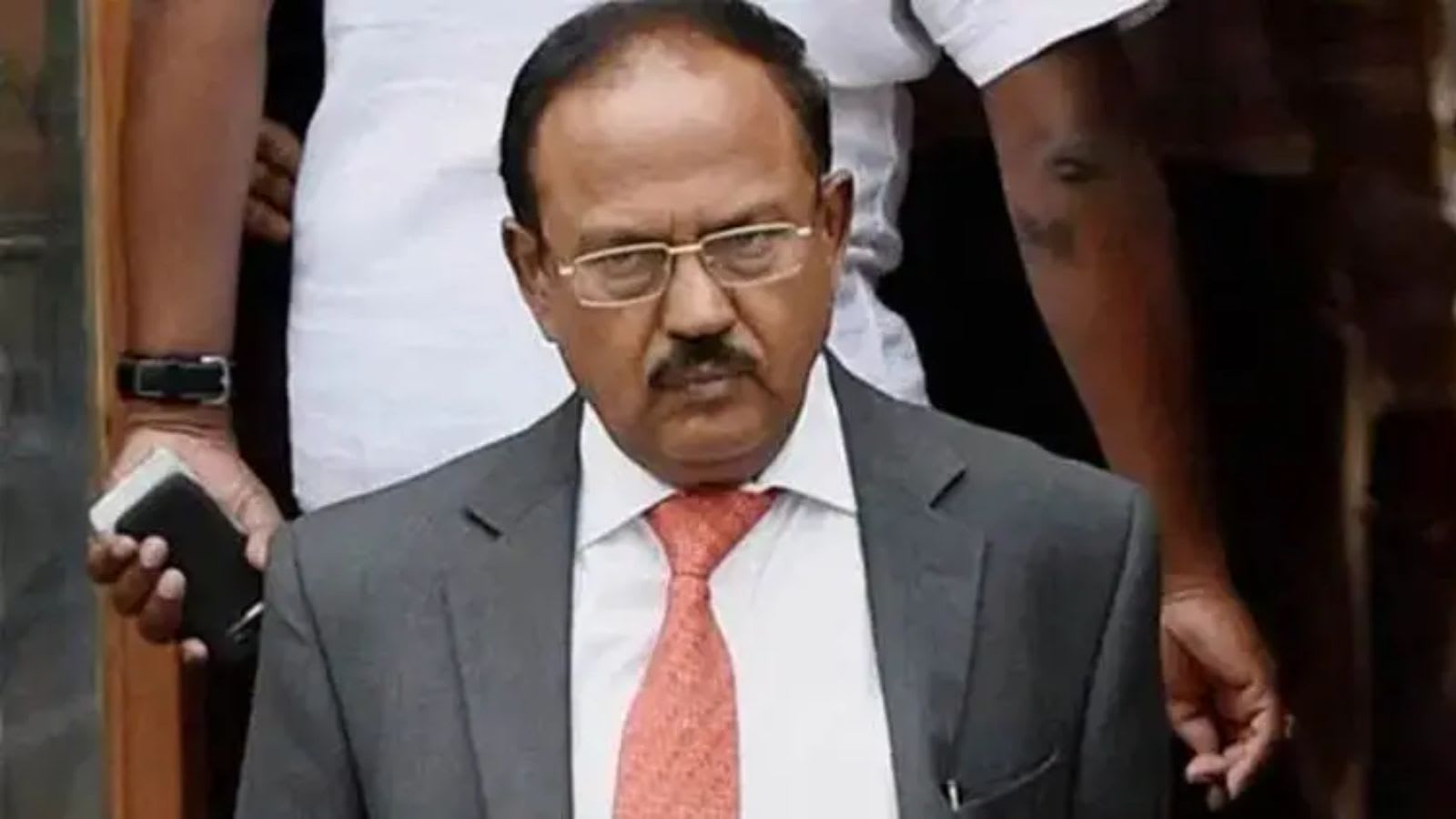
National Security Adviser Ajit Doval and Iranian counterpart Mohsen Rezaei held high-level discussions regarding regional security following attacks on merchant ships in the Strait of Hormuz. The dialogue underscores India’s diplomatic efforts to protect its citizens and advocate for stability amidst escalating tensions in West Asia.
Strategic Engagement Amidst Regional Volatility
In a significant diplomatic engagement, India’s National Security Adviser (NSA) Ajit Doval held a telephonic conversation with his Iranian counterpart, Mohsen Rezaei, the secretary of the Supreme National Security Council. The discussion, which took place on October 12, 2026, occurred against the immediate backdrop of a volatile security environment in West Asia. This high-level communication underscores the urgency with which New Delhi is addressing the safety of its nationals and the stability of critical maritime corridors.
The Strait of Hormuz Crisis
The immediate catalyst for this dialogue was the alarming attack on two merchant vessels in the Strait of Hormuz—the Nicaragua-flagged MT Petro Dolphin and the Marshall Islands-flagged MT Valthera. The situation remains dire, with two Indian sailors reported missing following a drone strike on the Petro Dolphin. While rescue operations successfully retrieved ten sailors from that vessel and confirmed the safety of eleven Indian crew members on the Valthera, the targeting of commercial shipping represents a severe escalation in regional hostilities.
India’s Diplomatic Balancing Act
India has long maintained a delicate diplomatic equilibrium in West Asia, cultivating strong bilateral ties with Iran while simultaneously engaging with other key regional players. The Ministry of External Affairs has consistently urged a return to dialogue and diplomacy to mitigate conflict. Furthermore, India has taken a firm stance against the targeting of civilian infrastructure and merchant shipping, a position reinforced by its condemnation of recent attacks on Saudi Arabian airports, which tragically resulted in the death of an Indian national.
Security Implications and Regional Dynamics
The conversation between Doval and Rezaei serves as a vital channel for de-escalation. By discussing 'issues of mutual interest,' both nations are signaling a commitment to managing the fallout of the recent maritime incidents. The mention of Iranian concerns regarding merchant vessels disabling their Automatic Identification Systems (AIS) highlights the complexity of maritime security in these waters, where the Islamic Revolutionary Guard Corps (IRGC) Navy remains a dominant and often unpredictable force.
Future Trends in Indo-Iranian Relations
Looking forward, India’s involvement in West Asian security is likely to deepen as it seeks to protect its economic interests and the welfare of its vast diaspora. The ongoing communication between the NSAs indicates that despite regional friction, the line of communication remains open. Future trends will likely focus on ensuring the safety of the Sea Lines of Communication (SLOCs) and preventing further spillover of regional conflicts into the maritime domain, which remains essential for India’s energy security and regional trade.
Conclusion
In summary, the phone call between Ajit Doval and Mohsen Rezaei reflects the precarious nature of international relations in the Middle East. By prioritizing direct, high-level communication, India is attempting to navigate the intersection of its own national security requirements and the broader need for regional stability. As the investigation into the missing sailors continues, the effectiveness of this diplomatic engagement will be measured by the ability of both nations to prevent further escalation and protect civilian lives.