"Let Us Play Bada Bhai": Team Akhilesh MP As Congress Says No To "Junk Seats"
Source Entity
NDTV News Search Records Found 1000
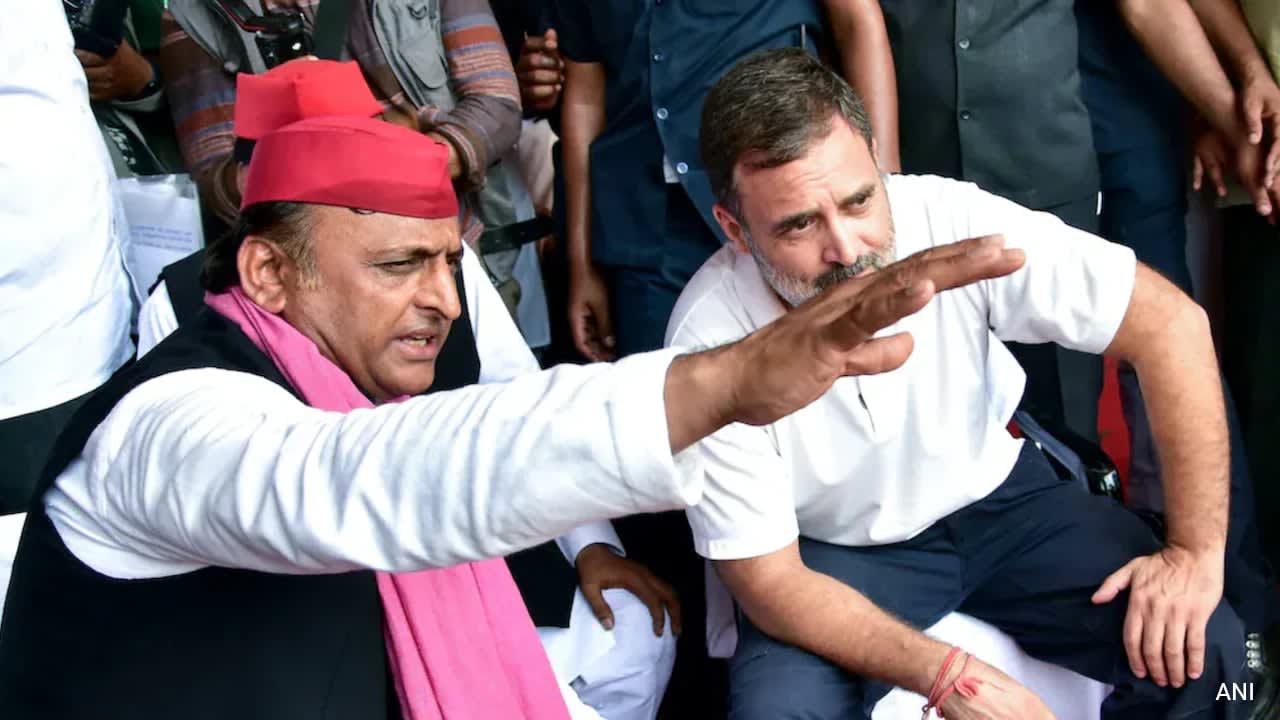
The Samajwadi Party and Congress have initiated marathon seat-sharing talks for the 2027 Uttar Pradesh Assembly elections. While initial proposals of 26 seats were rejected by Congress, both parties are negotiating over 403 constituencies while prioritizing electoral integrity.
The Dynamics of the SP-Congress Alliance in Uttar Pradesh
The political landscape of Uttar Pradesh is currently witnessing a critical phase of negotiation as the Samajwadi Party (SP) and the Congress party engage in marathon discussions regarding seat-sharing for the 2027 Assembly elections. Akhilesh Yadav, the leader of the Samajwadi Party, has publicly called for "serious talks" to solidify a partnership, signaling a strategic intent to present a united front against the ruling establishment. This collaborative effort, while essential for electoral success, is currently navigating the complexities of reconciling disparate organizational ambitions across all 403 assembly constituencies.
The Seat-Sharing Tug-of-War
The negotiation process has been marked by significant friction regarding the numerical allocation of seats. The SP initially proposed an opening offer of 26 seats to the Congress, a figure that was promptly rejected by the national party. Congress, which had previously sought a larger share of approximately 181 constituencies, has since revised its expectations to a range of 100–120 seats. This shift demonstrates a willingness to compromise, yet the underlying tension remains: the parties must balance their respective "winnability" metrics with the desire for mutual accommodation to avoid fragmented voting blocks.
Strategic Challenges and Electoral Integrity
Beyond the arithmetic of seat distribution, Akhilesh Yadav has intensified his focus on the administrative aspects of the upcoming polls. In a directive to his party workers, he has emphasized the necessity of monitoring the Election Commission of India's activities closely. By demanding that "not a single bogus vote" be added and that no genuine voters be purged from the rolls, Yadav is positioning the SP as a guardian of democratic integrity. This focus on electoral rolls is compounded by his continued skepticism regarding the credibility of Electronic Voting Machines (EVMs), a recurring theme in his public discourse.
Implications for the 2027 Assembly Polls
The success of these negotiations will likely dictate the opposition's efficacy in the 2027 Uttar Pradesh elections. By covering all 403 constituencies in their "seat-by-seat" discussions, both parties are attempting to leave as little to chance as possible. The current marathon sessions in Delhi are designed to bridge the gap between the SP’s conservative seat offer and the Congress’s requirement for a broader footprint. The ability of both parties to finalize a deal in the next two meetings will serve as a bellwether for their coalition's stability.
Future Trends and Conclusion
Looking ahead, the political trajectory of Uttar Pradesh will depend heavily on whether these two parties can finalize a formal pact that satisfies the grassroots workers of both organizations. The pressure to identify "winnable" candidates is immense, as both parties seek to regain lost ground. Should they successfully navigate these negotiations, the resulting alliance could significantly alter the electoral math. However, if the friction over seat numbers persists, the potential for a weakened opposition remains a significant risk. The ongoing dialogue is, fundamentally, a balancing act between pragmatic electoral math and the imperative of maintaining political credibility in the eyes of the electorate.
Multiple Citing Sources
Verification Required?