Eviction sword hangs over Akshara, Indian theatre’s iconic ‘home for the mind’
Source Entity
Dipanita Nath
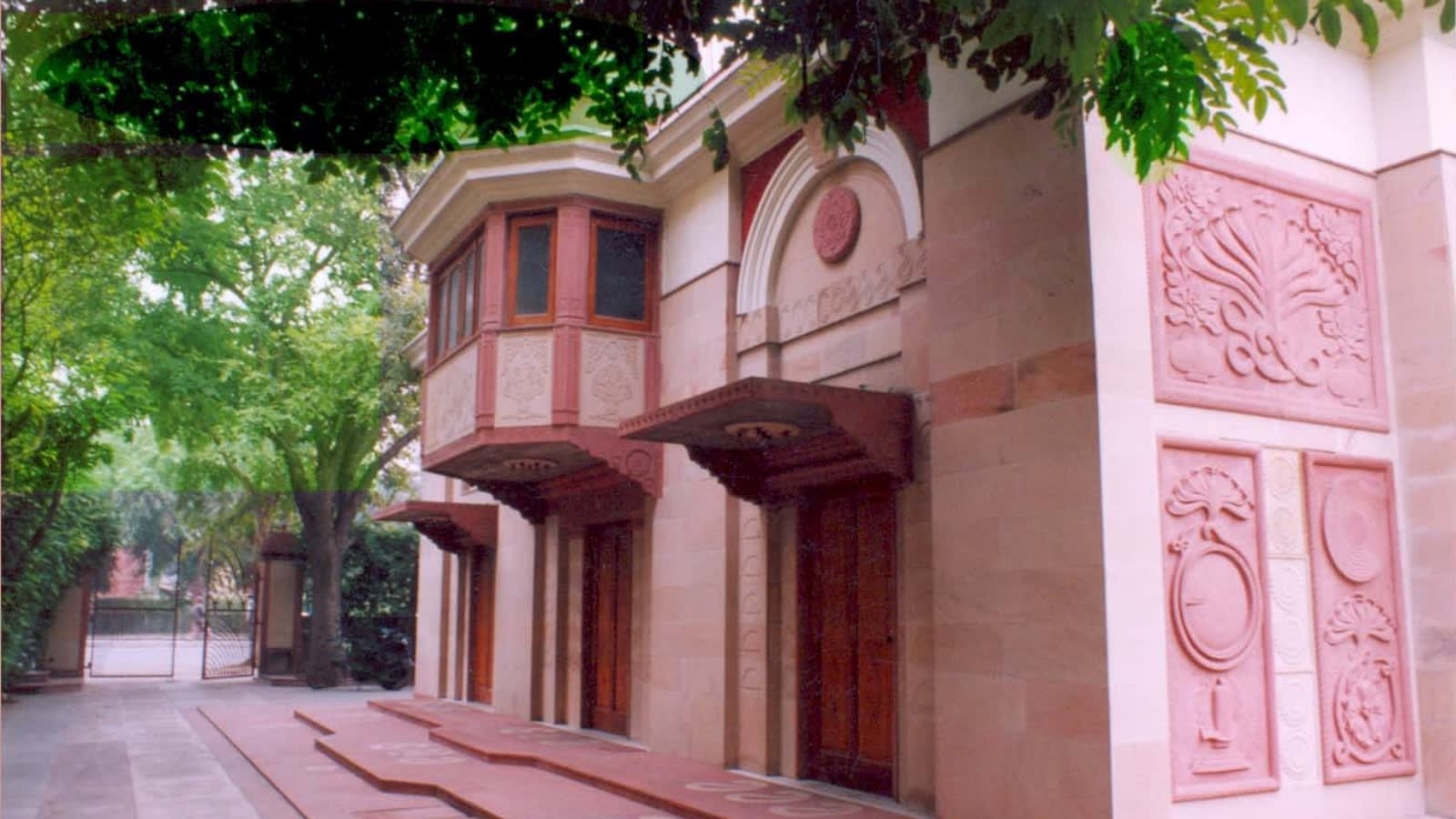
Akshara Theatre, a historic Delhi cultural landmark founded in 1976, currently faces the threat of eviction. This iconic venue, known for its defiance during the Emergency, now struggles to maintain its legacy as a vital space for Indian performing arts.
The Resilience and Risk of Akshara Theatre
Akshara Theatre, situated on Delhi's Baba Kharak Singh Marg, stands as a profound cultural landmark in India’s performing arts history. Founded by the visionary duo Gopal Sharman and Jalabala Vaidya, the theatre was conceptualized as a 'home for the mind'—a sanctuary where intellectual discourse and artistic expression could flourish. Predating Mumbai’s renowned Prithvi Theatre, Akshara has long served as a bastion of creativity, yet it now finds itself navigating the precarious uncertainty of a potential eviction.
A Legacy Forged in Defiance
To understand the gravity of Akshara’s current situation, one must look back to 1976. During the Indian Emergency, a period marked by strict censorship and political repression, Akshara became a rare site of resistance. The theatre staged the satirical play Let’s Laugh Again, which daringly poked fun at Prime Minister Indira Gandhi and other prominent political leaders. In an atmosphere where fear was pervasive, the theatre provided a courageous outlet for the public, with shows running at multiple intervals throughout the day, including early morning and late night, to accommodate the overwhelming demand.
Political Patronage and Historical Significance
Despite its satirical stance against the establishment of the 1970s, Akshara maintained a complex relationship with the political elite. Over the decades, the venue played host to several members of the Nehru-Gandhi family, including Indira and Rajiv Gandhi, as well as former Prime Minister Atal Bihari Vajpayee. This history of high-profile patronage underscores the theatre's stature as a central hub for India’s intellectual and political classes, cementing its status as more than just a performance space, but as a witness to the nation’s shifting political landscape.
The Challenge of Preservation
The current threat of eviction highlights a broader trend in urban development, where historic cultural institutions are often sidelined in favor of modernization or land-use changes. For a venue that has survived the turbulence of the Emergency and decades of socio-political evolution, the loss of its physical space would represent a significant cultural erasure. The challenge for the custodians of Akshara is to balance its historical identity with the modern regulatory and real estate pressures that threaten to displace it.
Implications and Future Outlook
Should Akshara lose its footing, the void left in the Delhi theatre scene would be profound. As a space that fostered a unique, intimate connection between the audience and the craft of theatre, its preservation is essential for maintaining the continuity of independent performing arts in the capital. The potential eviction serves as a rallying cry for the arts community to advocate for the protection of heritage spaces that serve as the backbone of India’s cultural heritage, ensuring that the 'home for the mind' continues to inspire future generations.