‘Are you mad?’: Akshaye Khanna almost turned down playing villain in Dhurandhar
Source Entity
The Indian Express
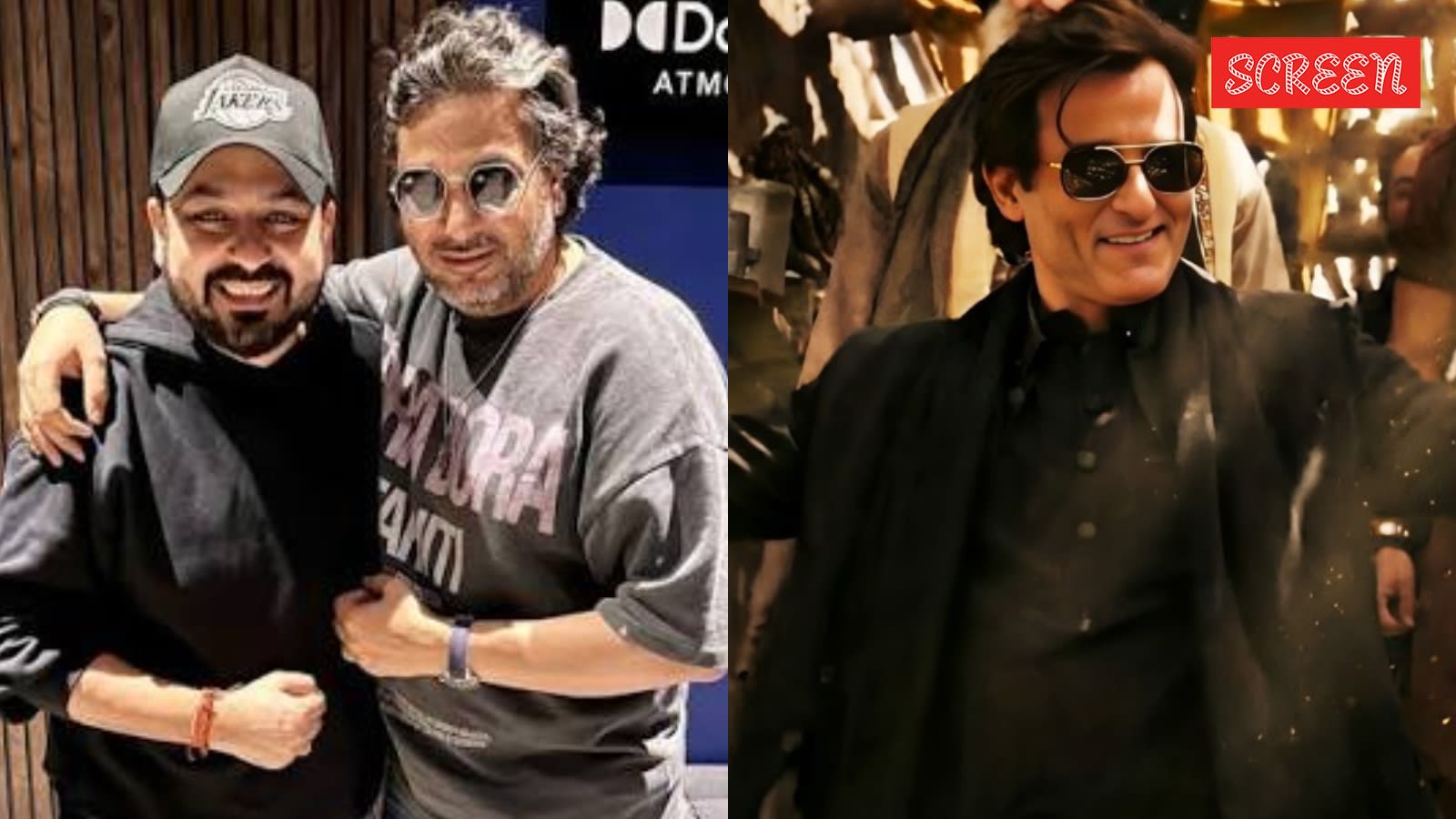
Casting director Mukesh Chhabra revealed that several major stars rejected the villain role in Aditya Dhar's 'Dhurandhar' before Akshaye Khanna accepted it. Despite initial hesitation, Khanna's performance as Rehman Dakait was highly acclaimed.
The Casting Challenges Behind 'Dhurandhar'
In the competitive landscape of Indian cinema, the process of casting a high-stakes antagonist is often fraught with uncertainty. Recent revelations by renowned casting director Mukesh Chhabra regarding Aditya Dhar’s film Dhurandhar shed light on the fragility of project development. Chhabra disclosed that securing an actor for the role of Rehman Dakait was far from straightforward, as multiple A-list stars initially declined the opportunity.
The Risk of the 'Ensemble' Narrative
According to Chhabra, the reluctance of major stars to participate in Dhurandhar stemmed from two primary concerns: the ensemble nature of the cast and the director’s professional hiatus. Aditya Dhar, having achieved massive success with the 2019 blockbuster Uri: The Surgical Strike, had not helmed a project in seven years. This long gap created a perception of risk among top-tier talent who were wary of committing to a project directed by someone absent from the industry spotlight for nearly a decade.
Akshaye Khanna’s Hesitation and Pivot
Even Akshaye Khanna, who eventually delivered a critically acclaimed performance, was not immediately convinced. During an appearance on Shekhar Tonite, Chhabra recalled that Khanna questioned the proposition of portraying a villain, asking, “Are you mad?” This reaction highlights the traditional hesitation many established leads feel when asked to pivot away from heroic archetypes into complex, antagonistic roles that might alter their public image.
The Power of Narrative Over Stardom
Despite the initial pushback, the narrative of the film ultimately served as the deciding factor for Khanna. Chhabra’s disclosure underscores a recurring theme in modern filmmaking: while star power is a significant pull, the strength of the script and the director's vision remain the ultimate tools for conversion. Khanna’s decision to prioritize the story over his established screen persona allowed him to deliver a performance that has since received widespread praise from critics and audiences alike.
Broader Implications for Industry Casting
This episode provides a rare glimpse into the 'what-if' scenarios that define film history. The fact that the role was rejected by multiple big-name stars before landing with Khanna suggests that the industry is often driven by risk-averse behavior. When established stars pass on projects due to perceived director inactivity or ensemble concerns, it opens the door for versatile actors like Khanna to redefine their careers through unconventional roles.
Conclusion: A Triumph of Characterization
The success of Dhurandhar serves as a case study in how bold casting choices can overcome initial production skepticism. By stepping into a role that others feared, Akshaye Khanna not only secured a critically lauded performance but also validated Aditya Dhar’s vision. This incident highlights the importance of the casting process in bridging the gap between a director’s creative intent and the industry’s commercial caution.