My Dear Kuttichathan: How India’s first 3D film, with rotating sets, was made for Rs 40 lakh
Source Entity
The Indian Express
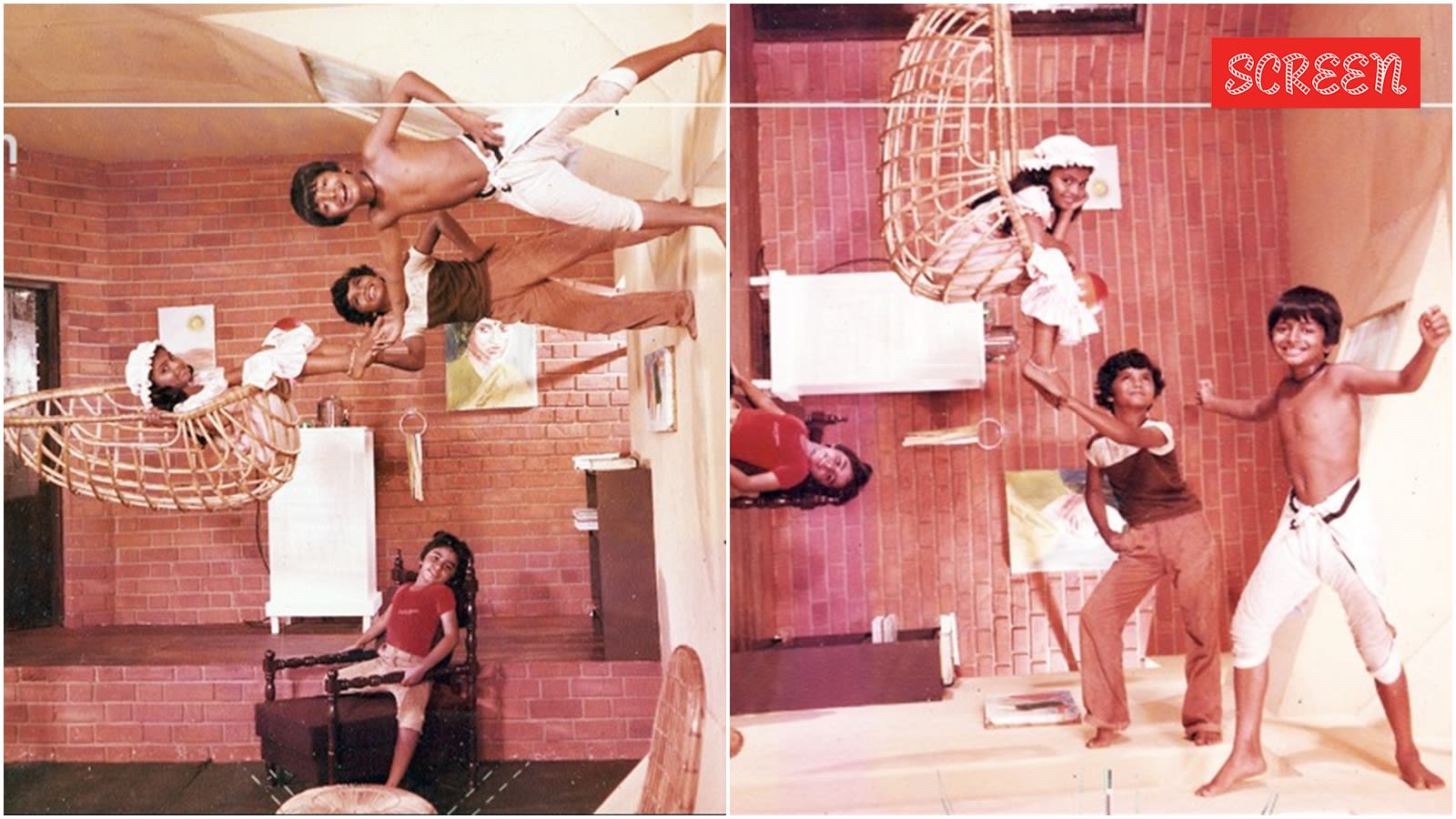
Actor-director Prithviraj Sukumaran has identified the 1984 classic 'My Dear Kuttichathan' as the one Malayalam film he would recommend to all of India. This milestone production, directed by Jijo Punnoose, holds the distinction of being India's first 3D feature film.
The Legacy of My Dear Kuttichathan: A Milestone in Indian Cinema
During the 16th edition of Expresso held at Taj Lands End in Mumbai, actor-director Prithviraj Sukumaran was presented with a challenging hypothetical: if he could mandate that every Indian watch one Malayalam film, which would it be? After a thoughtful pause, Sukumaran selected Jijo Punnoose’s 1984 cult classic, My Dear Kuttichathan. His choice highlights not just a personal affinity for cinema nostalgia but underscores the film's monumental role in the evolution of Indian visual storytelling.
Pioneering Technical Innovation
My Dear Kuttichathan is etched in history as India’s first-ever 3D film. Produced on a budget of approximately Rs 40 lakh—a significant investment for the era—the film pushed the boundaries of technical filmmaking in the country. The production was notable for its innovative use of rotating sets, a technique that allowed the filmmakers to achieve spatial effects that were revolutionary for the mid-1980s. This commitment to technical prowess demonstrated that Indian regional cinema was capable of competing on a global stage in terms of production value.
The Intersection of Nostalgia and Craft
Prithviraj Sukumaran’s endorsement is rooted in a deep appreciation for the craft involved in such an ambitious project. By labeling himself a "cinema nostalgia guy," he points to a broader trend where contemporary filmmakers look back at the industry's pioneers to find inspiration. The film did not merely rely on the novelty of 3D; it crafted a narrative that resonated with audiences, proving that high-concept technical gimmicks could coexist with heartfelt storytelling.
Impact on Regional Cinema
The selection of a Malayalam film by a prominent pan-Indian star like Sukumaran reinforces the cultural significance of the Kerala film industry. Over the decades, Malayalam cinema has been lauded for its realism and experimental nature. My Dear Kuttichathan serves as a prime example of this experimental spirit, setting a precedent that paved the way for subsequent generations of filmmakers to embrace visual effects and immersive theater experiences.
Conclusion: A Timeless Cultural Touchstone
Ultimately, the enduring legacy of My Dear Kuttichathan lies in its status as a trailblazer. As Prithviraj Sukumaran noted during the Expresso event, the film remains a vital piece of Indian cinematic heritage. Its influence extends far beyond the confines of 1984, serving as a reminder of how Indian directors have consistently pushed the envelope to bring world-class entertainment to audiences, regardless of technological or budgetary constraints.