From $120m monastery to Miami home: Alex Karp’s property portfolio
Source Entity
TOI REAL ESTATE DESK
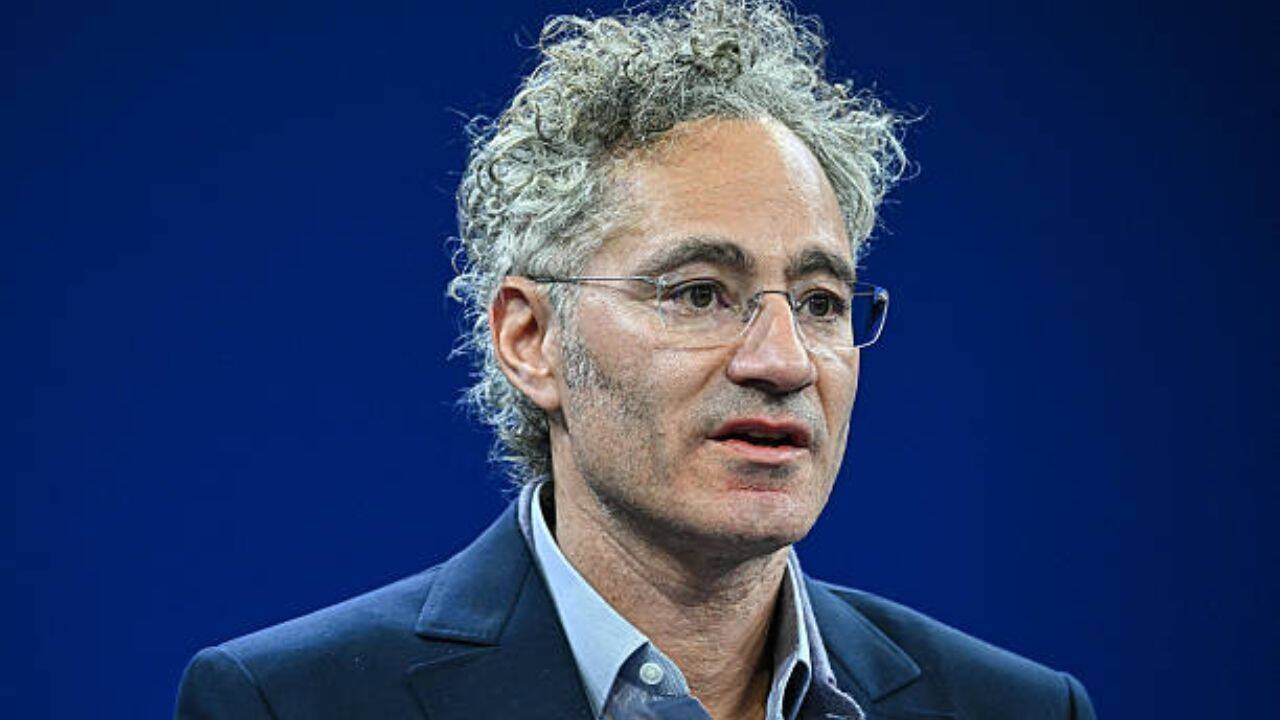
Palantir CEO Alex Karp has curated an expansive and eclectic real estate portfolio, including a $120 million former monastery in Aspen, a 500-acre New Hampshire estate, and waterfront properties in Miami, reflecting a strategic pursuit of privacy and solitude.
The Architecture of Seclusion: Analyzing Alex Karp's Real Estate Strategy
The revelation of Palantir CEO Alex Karp's diverse and high-value property portfolio provides a fascinating window into the lifestyle and psychology of one of the tech world's most enigmatic figures. While many Silicon Valley executives opt for sprawling modern mansions in gated communities, Karp's acquisitions—ranging from a $120 million former monastery to a massive rural estate—suggest a deliberate attempt to decouple his private life from the public eye. This pattern is not merely about luxury, but about the creation of physical buffers between himself and the complexities of the global surveillance and data analytics industry he leads.
The Symbolism of the Aspen Monastery
One of the most striking pieces of Karp's portfolio is the $120 million former monastery near Aspen. The acquisition of a religious site is a rare move for a corporate executive and speaks to a desire for architectural uniqueness and spiritual or intellectual sanctuary. In the context of Aspen's hyper-exclusive real estate market, such a property serves as both a status symbol and a fortress of solitude. By converting a space originally designed for monastic silence into a personal residence, Karp reinforces his public persona as an unconventional thinker who values introspection and distance from the traditional corporate noise of the East and West Coasts.
Strategic Isolation in New Hampshire
Karp's 500-acre estate in rural New Hampshire represents a different facet of his pursuit of privacy: the "off-grid" philosophy. In an era where digital footprints are permanent and ubiquitous, the ownership of a vast tract of land provides a tangible form of security that no firewall can offer. This move mirrors a broader trend among the ultra-wealthy—often termed "billionaire bunkering"—where high-net-worth individuals invest in remote, self-sustaining properties as a hedge against social instability or simply to escape the relentless scrutiny of the digital age. For a man whose company, Palantir, specializes in the synthesis of massive data sets, the irony of seeking absolute physical anonymity is palpable.
The Miami Pivot and Wealth Diversification
In contrast to the solitude of New Hampshire and Aspen, Karp's purchase of two adjacent waterfront properties in Miami to create a compound indicates a strategic alignment with the current migration of wealth toward Florida. The "Miami Move" has become a hallmark for tech executives seeking a combination of favorable tax laws and high-end coastal living. By establishing a compound rather than a single residence, Karp ensures a level of controlled access and privacy even within a bustling metropolitan environment. This diversification of assets across different geographic and climatic zones suggests a sophisticated approach to wealth management, ensuring versatility in his living arrangements.
Broader Implications for Executive Wellness and Security
Karp's real estate choices reflect a growing trend in the C-suite where "mental health real estate" is becoming a priority. The emphasis on solitude and personal space is likely a response to the extreme pressures of leading a company deeply embedded in government intelligence and national security. The psychological toll of managing high-stakes contracts requires an environment where the executive can completely disconnect. Historically, the elite have always sought retreats, but the scale and specificity of Karp's portfolio—specifically the monastery and the 500-acre buffer—indicate a modern evolution of the private estate as a tool for mental preservation.
Future Trends in Ultra-High-Net-Worth Property Acquisition
Looking forward, Karp's portfolio serves as a blueprint for the next generation of tech wealth. We can expect to see a shift away from traditional luxury condos toward "legacy assets" that offer historical significance (like monasteries) or environmental autonomy (like large rural estates). As privacy becomes the ultimate luxury good, the value of properties that offer genuine isolation will likely outpace traditional luxury markets. Karp's strategy suggests that for the modern titan of industry, the greatest return on investment is not found in the appreciation of the property's value, but in the quality of the silence it provides.
Summary
Alex Karp's real estate holdings are more than just financial investments; they are a physical manifestation of his need for privacy and his unconventional approach to life. From the spiritual isolation of an Aspen monastery to the rural expanse of New Hampshire and the tactical luxury of Miami, Karp has constructed a global network of sanctuaries that allow him to navigate the pressures of leading Palantir while maintaining a strictly guarded private existence.