Ali Zafar says Tere Bin Laden struggled to find distributors for 2 years after 26/11 terror attacks, he was advised to return to Pakistan
Source Entity
Latest News: Todays Latest News Headlines from India & World | Hindustan Times
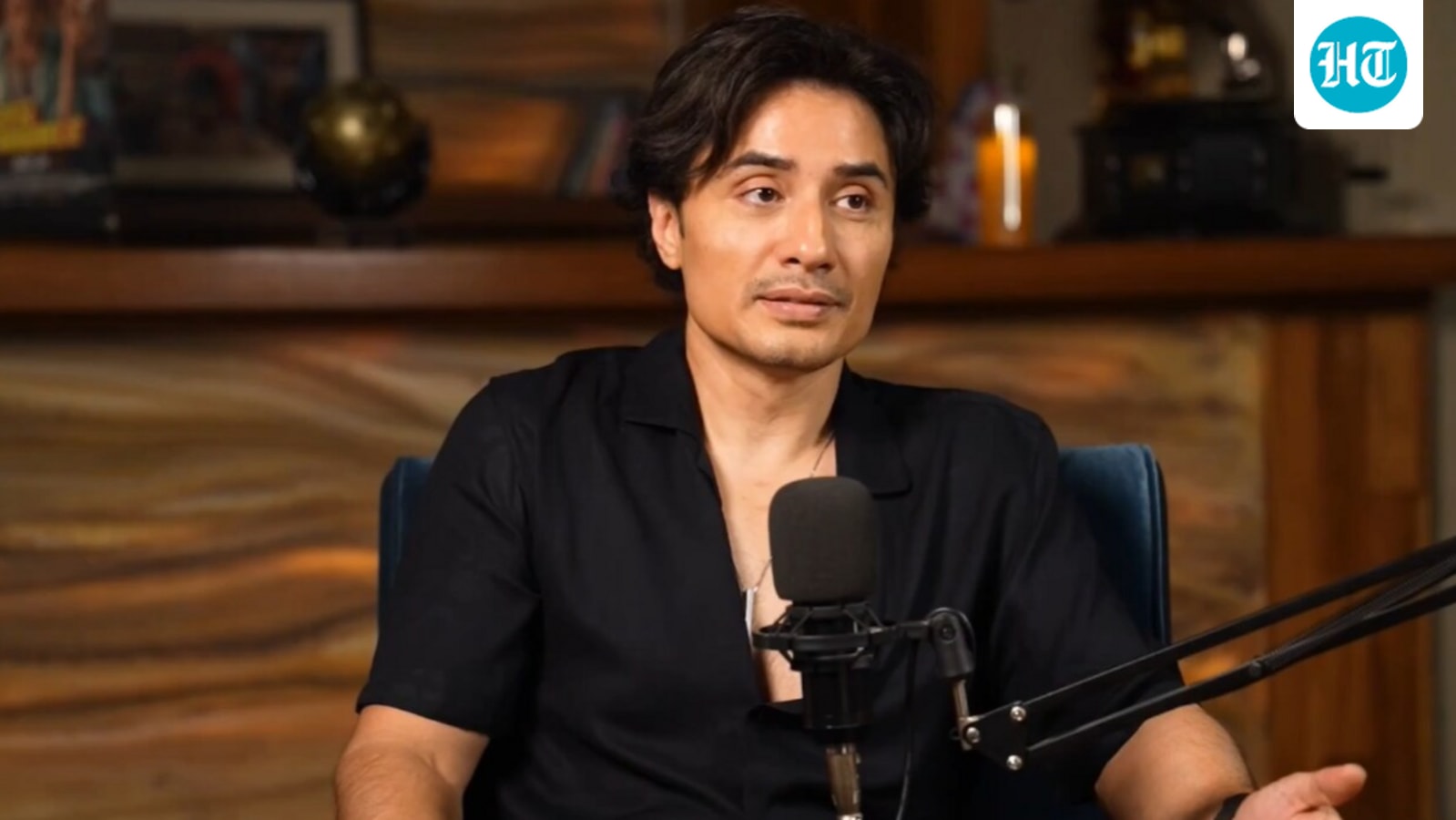
Ali Zafar faced significant professional hurdles during his Bollywood debut, Tere Bin Laden, due to the 26/11 Mumbai terror attacks. The actor revealed he was advised to return to Pakistan as the film struggled to secure distributors for two years.
The Challenging Debut of Ali Zafar
Pakistani artist Ali Zafar’s entry into the Hindi film industry was marked by both creative ambition and profound geopolitical instability. Making his debut in the 2010 satirical comedy Tere Bin Laden, Zafar found himself at the epicenter of a cultural and political storm when the 26/11 Mumbai terror attacks occurred during the final stages of the film's production. With only a few days of filming remaining, the atmosphere in India shifted dramatically, casting a shadow over projects involving Pakistani talent.
Geopolitical Impact on Cinema
The 26/11 attacks were a watershed moment in Indo-Pakistani relations, leading to a severe tightening of cross-border cultural exchanges. For Zafar, the timing could not have been more precarious. As he recently shared on Waseem Abbas’ podcast, the proximity of the attacks to the conclusion of his shoot created an environment of intense scrutiny and hostility. People close to the actor, fearing for his safety and professional future, urged him to return to Pakistan immediately, highlighting the fragility of his position as a foreign national working within the Indian film ecosystem.
Distribution Hurdles and Financial Strain
The challenges did not end with the completion of the film. The content, which centered on a satirical take on the hunt for Osama bin Laden, became an even harder sell in the post-26/11 climate. Zafar noted that the film struggled for two years to find distributors. The industry, often risk-averse during times of heightened national security concerns, viewed the film’s subject matter and the nationality of its lead actor as significant liabilities, leading to a prolonged period of uncertainty for the project’s release.
Artistic Daring in a Polarized Climate
Choosing Tere Bin Laden was, by Zafar’s own admission, a daring decision. The film’s title and premise were provocative, and launching such a project while navigating the complexities of being a Pakistani actor in India required immense resilience. The struggle to secure a theatrical release serves as a case study for how political events can disrupt artistic endeavors, forcing creators to navigate not just the creative process, but the volatile intersection of international relations and domestic entertainment markets.
Legacy and Future Implications
Despite the initial setbacks and the two-year delay in finding distribution, Tere Bin Laden eventually reached audiences and was received as a significant cult classic. The narrative of Zafar’s struggle underscores a broader historical trend where the arts are often the first casualty of political tension. Reflecting on this period, it is clear that the resilience required to bring such a project to life was as much a part of the film’s success as the performances themselves. Zafar's experience remains a poignant reminder of the professional volatility faced by cross-border artists in an era defined by geopolitical friction.
Verification Required?