David Fincher is being dragged for suspected use of AI in his latest film
Source Entity
Charles Pulliam-Moore
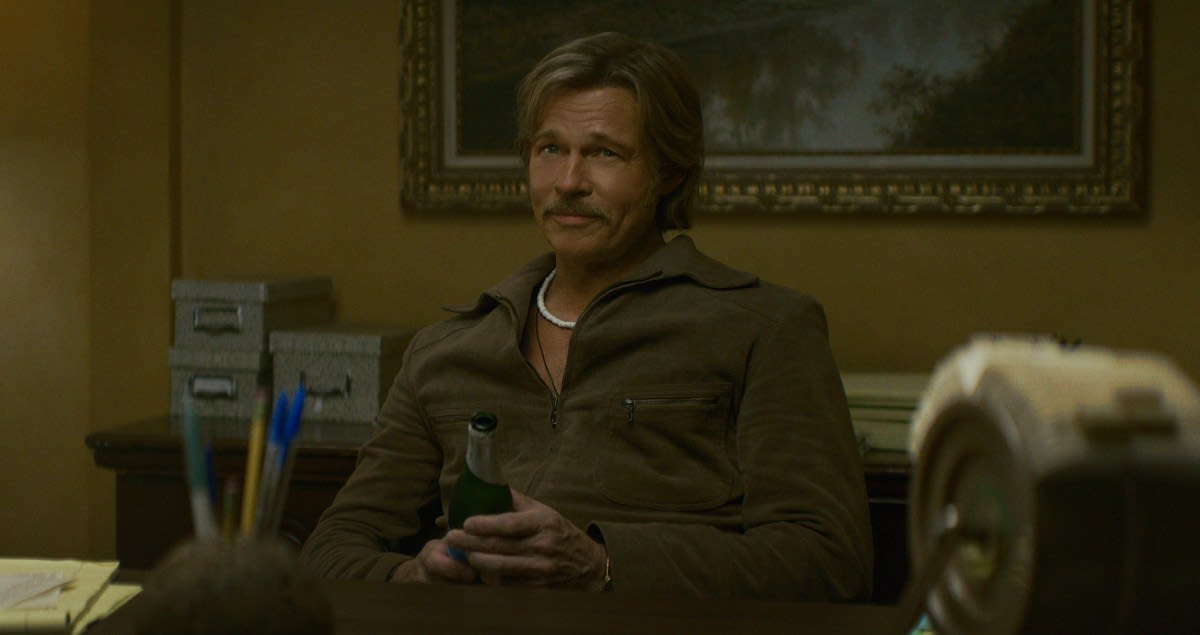
David Fincher’s latest film, 'The Further Mis-Adventures of Cliff Booth,' is facing backlash over alleged generative AI use. Early screenings have sparked concerns regarding visual inconsistencies and a departure from the director's signature polished aesthetic.
The AI Controversy Surrounding David Fincher's Latest Project
A Departure from Cinematic Precision
David Fincher has long been regarded as a perfectionist of the modern cinematic era, known for his meticulous attention to detail in films like Fight Club and The Social Network. His latest project, The Further Mis-Adventures of Cliff Booth, a sequel to Quentin Tarantino’s Once Upon a Time in Hollywood featuring Brad Pitt, was highly anticipated. However, early screenings have left audiences perplexed, as reports suggest the presence of uncanny and inconsistent visual elements that deviate sharply from the director’s established standard of excellence.
The Generative AI Allegations
Recent discourse among critics and early viewers has centered on the suspected integration of generative AI within the film’s production. These claims stem from observations of visual artifacts and stylistic inconsistencies that viewers characterize as "slop" rather than the intentional, high-fidelity cinematography typically associated with Fincher’s body of work. The skepticism is rooted in the current industry-wide tension regarding the ethics and quality of AI-assisted visual effects.
Industry Context and Labor Concerns
The emergence of these concerns comes at a precarious time for Hollywood, where the use of artificial intelligence remains a highly contentious subject among creative guilds and labor unions. Because the film industry is still defining the boundaries for AI integration, any perceived "uncanny" visuals in a high-profile production are likely to be scrutinized through the lens of labor rights and creative integrity, particularly given Fincher’s historical reputation for technical mastery.
The Impact of Visual Inconsistency
For a filmmaker whose brand is built on sleek, controlled, and polished aesthetics, the reported visual glitches are particularly damaging. If The Further Mis-Adventures of Cliff Booth indeed suffers from these technical issues, it suggests a potential disconnect between traditional filmmaking workflows and newer, automated processes. This creates a narrative challenge for the studio ahead of the film's November 25th premiere, as audiences now expect high-budget productions to maintain a level of visual cohesion that AI tools currently struggle to emulate consistently.
Future Trends in Digital Filmmaking
This situation highlights a growing trend where audiences are becoming increasingly sensitive to the aesthetic signatures of generative AI. As viewers become more adept at identifying these digital artifacts, directors face higher stakes when experimenting with new technologies. The backlash against this film underscores the potential reputational risk for directors if they transition away from traditional, labor-intensive visual production methods in favor of automated tools that may not yet meet the high expectations of their core fanbase.
Conclusion
As the industry approaches the official release date of November 25th, the debate surrounding The Further Mis-Adventures of Cliff Booth serves as a critical case study in the risks of integrating generative AI into major motion pictures. Whether these visual issues are a byproduct of a new, experimental process or simply an technical oversight, they have ignited a necessary conversation about the future of digital artistry and the importance of maintaining the human touch in high-stakes filmmaking.