Alibaba shares fall 2% as AI spending drives 75% drop in net income
Source Entity
US Top News and Analysis
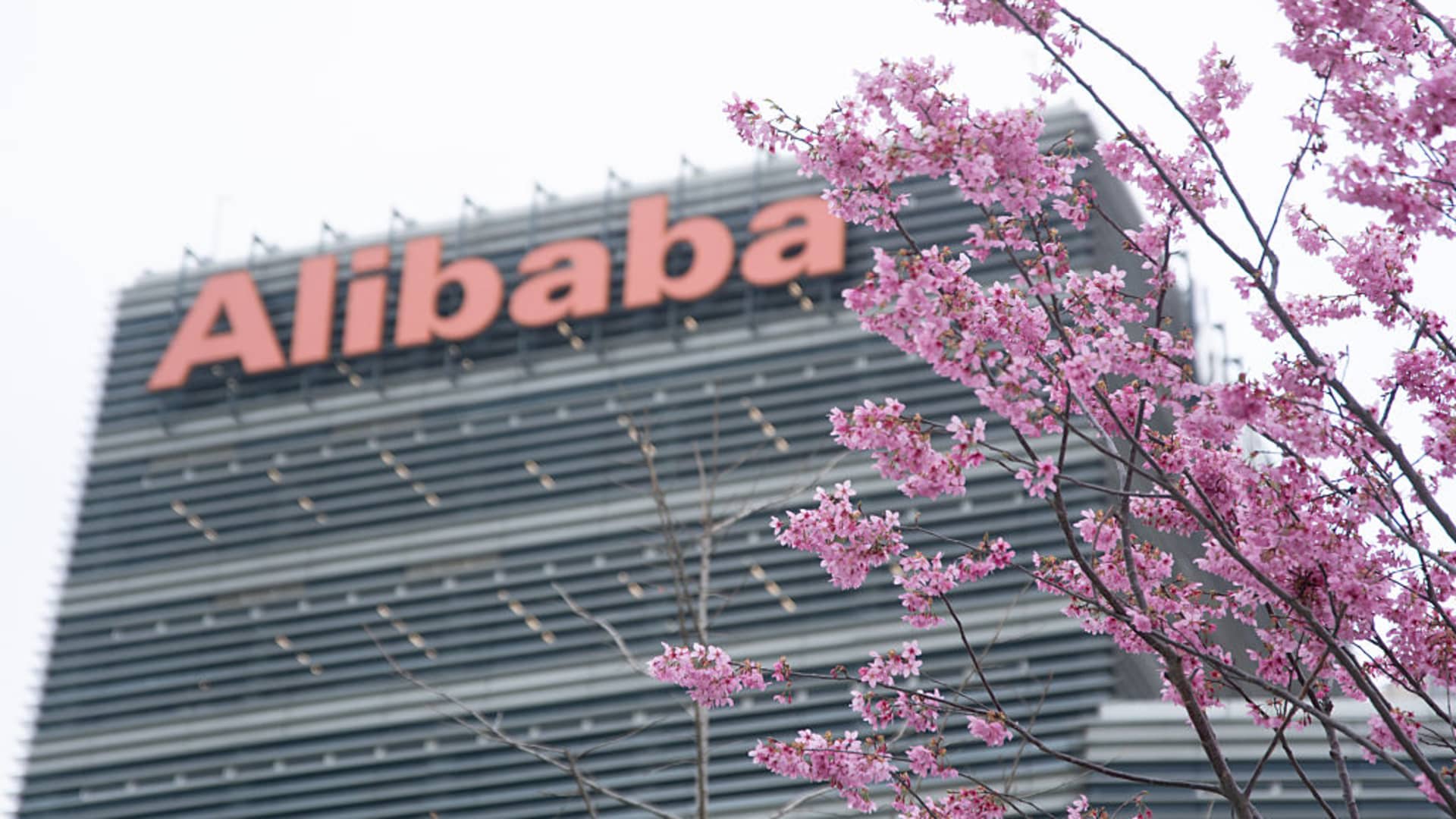
Alibaba reported a 75% drop in quarterly net income as heavy investment in AI infrastructure drove capital expenditure up significantly. Despite this profit decline, the company saw a 9% revenue increase, slightly exceeding analyst expectations.
Alibaba's Strategic Pivot: Balancing AI Investment and Profitability
Alibaba Group recently reported a significant 75% decline in net income for the June quarter, a development that initially triggered volatility in its U.S.-listed shares. This sharp contraction in profitability is directly linked to the company's aggressive capital expenditure, which surged by 75% to hit 67.7 billion Chinese yuan (approximately $10 billion). As the global technology sector grapples with the high costs of artificial intelligence integration, Alibaba’s financial results serve as a bellwether for the broader challenges facing major tech conglomerates.
The Cost of Innovation
The primary driver behind this increased expenditure is the massive investment required to bolster CPU-compute capacity. As the demand for AI grows, the cost of specialized hardware has risen significantly. Alibaba noted that higher prices across a broad range of chip components, combined with the uneven timing of customer purchases, have created a complex financial environment. This spending is not merely elective; it is a defensive and offensive necessity to remain competitive in an era where AI capability defines market leadership.
Revenue Growth Amidst Cost Pressures
Despite the significant dip in bottom-line profits, Alibaba’s top-line performance remains resilient. The company reported a 9% rise in revenue, reaching 268.95 billion Chinese yuan, which narrowly surpassed the LSEG estimate of 268.88 billion yuan. This suggests that while operational expenses—particularly those related to infrastructure—are currently suppressing margins, the underlying demand for Alibaba’s core business segments and services remains robust.
Market Dynamics and Pricing Power
The current landscape of the AI sector is characterized by intense competition for computing resources. Alibaba has already begun to navigate these cost pressures by adjusting its pricing structure. In March, the company implemented price hikes for its AI computing and storage products by as much as 34% to offset surging demand and hardware costs. This move highlights the company's attempt to pass on a portion of its infrastructure burden to consumers and enterprise clients, aiming to stabilize margins in the long term.
Future Trends in Tech Expenditure
Looking ahead, the trajectory of Alibaba’s financial health will likely depend on its ability to monetize these infrastructure investments. The tech giant is currently in a phase of heavy capital deployment, betting that the current increase in CPU-compute capacity will yield future efficiencies and market dominance. Investors will be watching closely to see if the revenue growth can outpace the high cost of hardware acquisition as the AI race continues to accelerate globally.
Conclusion
In summary, Alibaba’s June quarter results reflect the high-stakes nature of the AI revolution. While the 75% drop in net income is a significant headline, it must be viewed in the context of the company's deliberate strategy to prioritize long-term technological infrastructure. By balancing increased operational costs with steady revenue growth, Alibaba is positioning itself to remain a central player in the global AI landscape, provided it can successfully manage its capital intensity in the coming quarters.