‘Unreserved category open to all’: Allahabad HC quashes UPPSC APO prelims result
Source Entity
The Indian Express
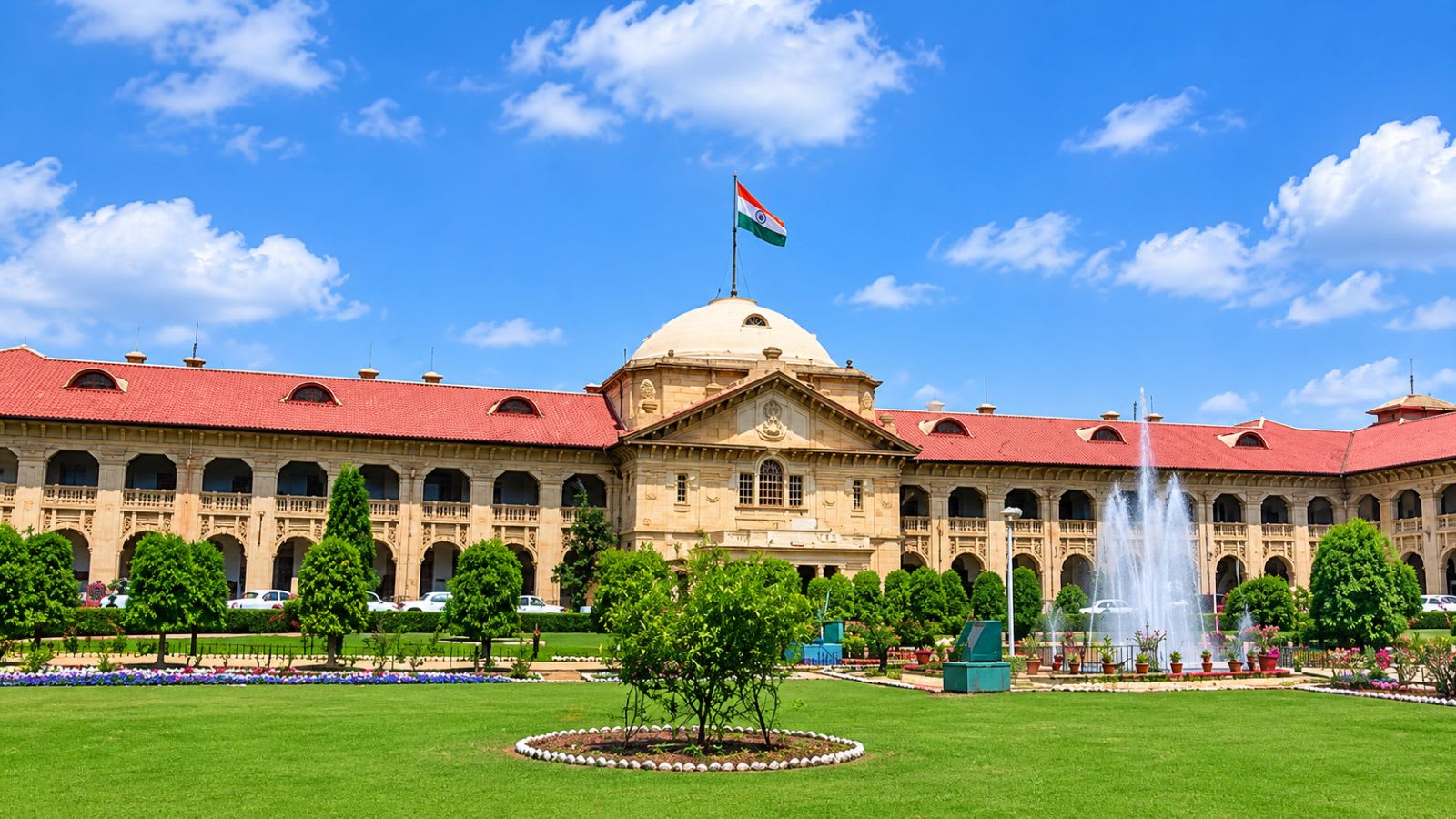
The Allahabad High Court has invalidated the 2025 UPPSC APO preliminary results, citing the exclusion of meritorious reserved category candidates from the unreserved list. Simultaneously, the Supreme Court is reviewing an Allahabad HC ruling on hijab usage, specifically barring it from being cited as a legal precedent.
Judicial Scrutiny of Administrative and Religious Policies in Uttar Pradesh
Recent judicial interventions in Uttar Pradesh have brought significant scrutiny to both administrative recruitment protocols and socio-religious regulations. The Allahabad High Court’s decision to quash the 2025 Assistant Prosecution Officer (APO) preliminary examination results marks a pivotal moment for public service commission transparency. By ruling that the Uttar Pradesh Public Service Commission (UPPSC) cannot exclude meritorious reserved category candidates from the unreserved pool, the court has reinforced the constitutional principle that the 'open' category is a merit-based space accessible to all, rather than a quota-restricted enclave for general category candidates.
Legal Competence and Merit-Based Recruitment
The court’s determination that the UPPSC lacked the legislative competence to restrict the unreserved category highlights a critical check on executive power. The directive to re-conduct the mains examination based on revised preliminary results underscores the judiciary's commitment to procedural integrity. This ruling ensures that candidates who perform exceptionally well—regardless of their background—are not penalized by administrative policies that attempt to artificially segregate the merit list, thereby upholding the foundational tenets of egalitarian recruitment in state services.
The Hijab Debate and Legal Precedents
In a separate but equally significant development, the Supreme Court has intervened in a matter concerning religious expression within educational institutions. By seeking a response from the Uttar Pradesh government regarding a challenge to the Allahabad High Court’s ruling on the hijab, the Supreme Court is addressing the sensitive intersection of institutional dress codes and religious practice. The court’s explicit instruction that the Allahabad HC’s August 2026 judgment 'shall not be treated as precedent' is a significant procedural safeguard, preventing the lower court's ruling from influencing similar cases pending across the nation.
Broader Implications for Judicial Consistency
By tagging this new plea with the ongoing, unresolved Karnataka hijab case—which previously resulted in a split verdict—the Supreme Court is aiming for a cohesive national framework. The legal tension arises from a student's request to wear a headscarf alongside the prescribed school uniform, a conflict that tests the boundaries of institutional authority versus individual religious freedom. This move suggests that the apex court is prioritizing a uniform standard to avoid fragmented legal interpretations across different states.
Future Trends in Administrative Law
Moving forward, these cases signal a period of increased judicial oversight for both the UPPSC and local educational policies. The insistence on legislative competence in recruitment and the caution regarding judicial precedents in religious matters reflect a broader trend of the judiciary clarifying the limits of state administrative action. As these processes unfold, the UPPSC will likely need to overhaul its screening mechanisms to align with the constitutional interpretation of the unreserved category, while the Supreme Court’s eventual verdict on the hijab matter will likely set a definitive constitutional benchmark for religious expression in public spaces.
Multiple Citing Sources