Can music festivals save the melting Alps?
Source Entity
Latest News: Todays Latest News Headlines from India & World | Hindustan Times | Hindustan Times
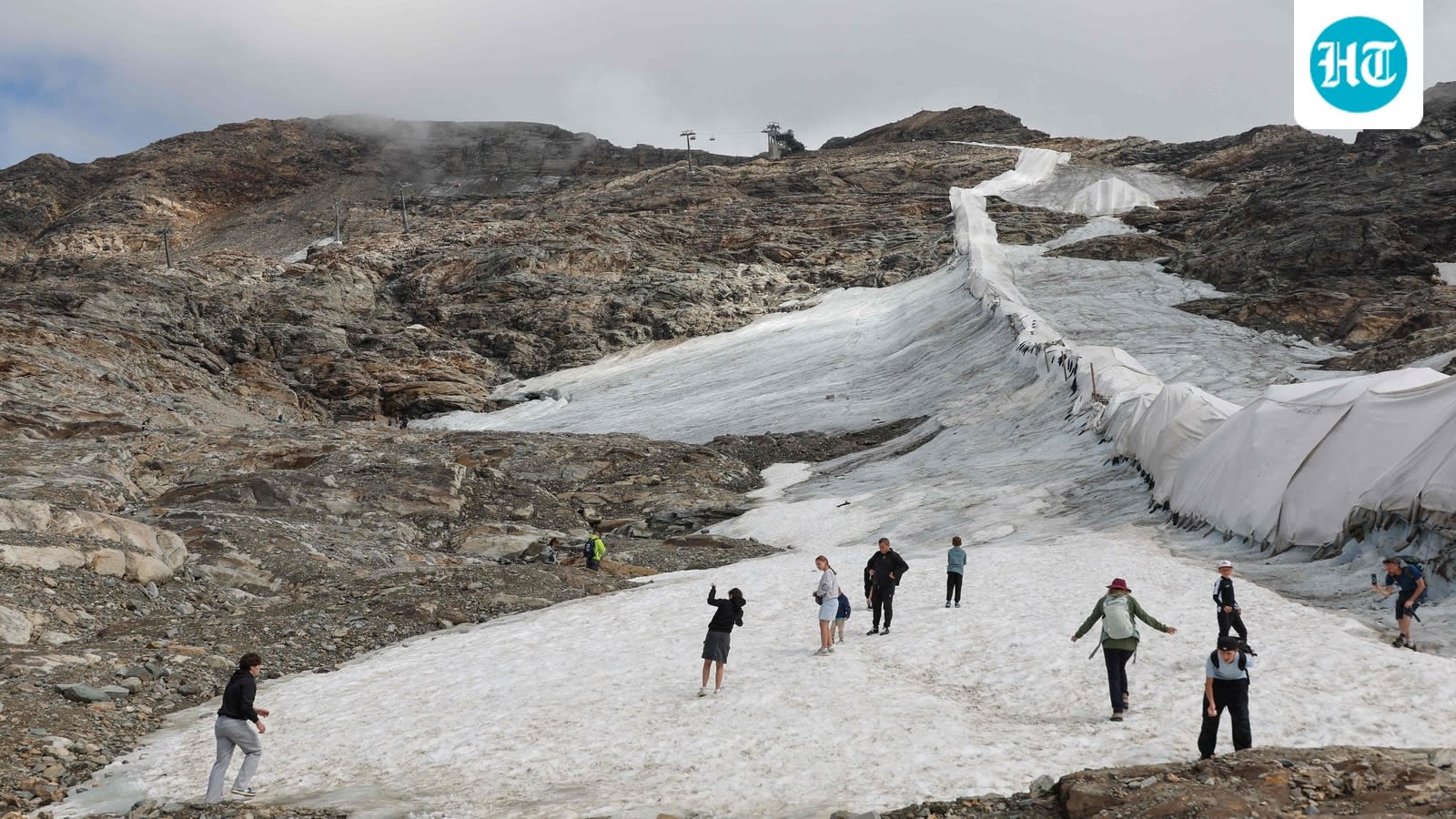
As climate change forces a retreat of the Alpine ski industry, local organizers are pivoting toward cultural tourism like the Deipratiedellestelle festival. These initiatives seek to diversify regional economies facing rapid warming and shorter winter seasons.
The Alpine Transition: Music and Culture in a Warming Climate
Recent shifts in the Italian Alps highlight a growing necessity for economic and environmental adaptation. The Deipratiedellestelle (Of Meadows and Stars) festival, featuring meditative performances like crystal bowl sessions against the backdrop of Mt Chaberton, represents more than just an artistic endeavor; it serves as a microcosm for the broader transformation of European mountain tourism. As traditional winter sports models face existential threats, these cultural events are emerging as vital pillars for regional sustainability.
The Climate Imperative
The urgency behind this transition is rooted in stark environmental data. The Alps are currently warming at more than twice the average rate of the Northern Hemisphere. This rapid temperature rise is leading to shorter winter seasons, fundamentally undermining the reliability of snow-dependent tourism. With the core business model of many Alpine resorts under pressure, organizers like Daniela Cattaneo are signaling a necessary departure from the singular focus on skiing, suggesting that regional identity must evolve to survive the hotter future.
Limitations of Current Mitigation
While artificial snowmaking is currently employed to bridge the gap between diminishing natural snowfall and the demands of the ski industry, it is widely viewed as a stopgap measure rather than a long-term solution. The energy and water intensity required to maintain these snow-covered slopes during extreme heatwaves creates a paradox of sustainability. As the gap between supply and demand widens, the reliance on such technology is increasingly scrutinized in the context of the region's overall environmental health.
Redefining Alpine Tourism
Cultural programming offers a path toward a more diversified economic future. By leveraging the natural beauty of the Alps outside of the traditional winter window, festivals can attract visitors year-round without the environmental footprint associated with intensive ski infrastructure. This shift toward 'slow tourism'—typified by the meditative, low-impact nature of the Deipratiedellestelle festival—positions the Alps as a destination for wellness and arts rather than just a high-octane sports hub.
Broader Implications and Future Trends
Looking ahead, the Alpine region is likely to see a continued decline in traditional ski-centric tourism as the climate trajectory remains uncertain. The success of cultural events suggests a model where mountain communities can thrive by embracing their topography as a landscape for reflection and performance. This trend likely signals a shift in how mountain economies will be managed, moving away from resource-heavy winter infrastructure toward more resilient, culture-based visitor experiences.
Conclusion
The integration of music and performance into the high-altitude meadows of Italy serves as a poignant reminder of the vulnerability of our natural landscapes. While the Alps face an uphill battle against the effects of a warming planet, the willingness of local producers to innovate suggests that the region’s future may lie in the very tranquility that climate change threatens to disrupt. By pivoting toward cultural tourism, these communities are attempting to secure their relevance in a rapidly changing world.
Verification Required?