CIA Failed To Connect Key Intel Naming 9/11 Mastermind Before Attacks: Report
Source Entity
NDTV News Search Records Found 1000
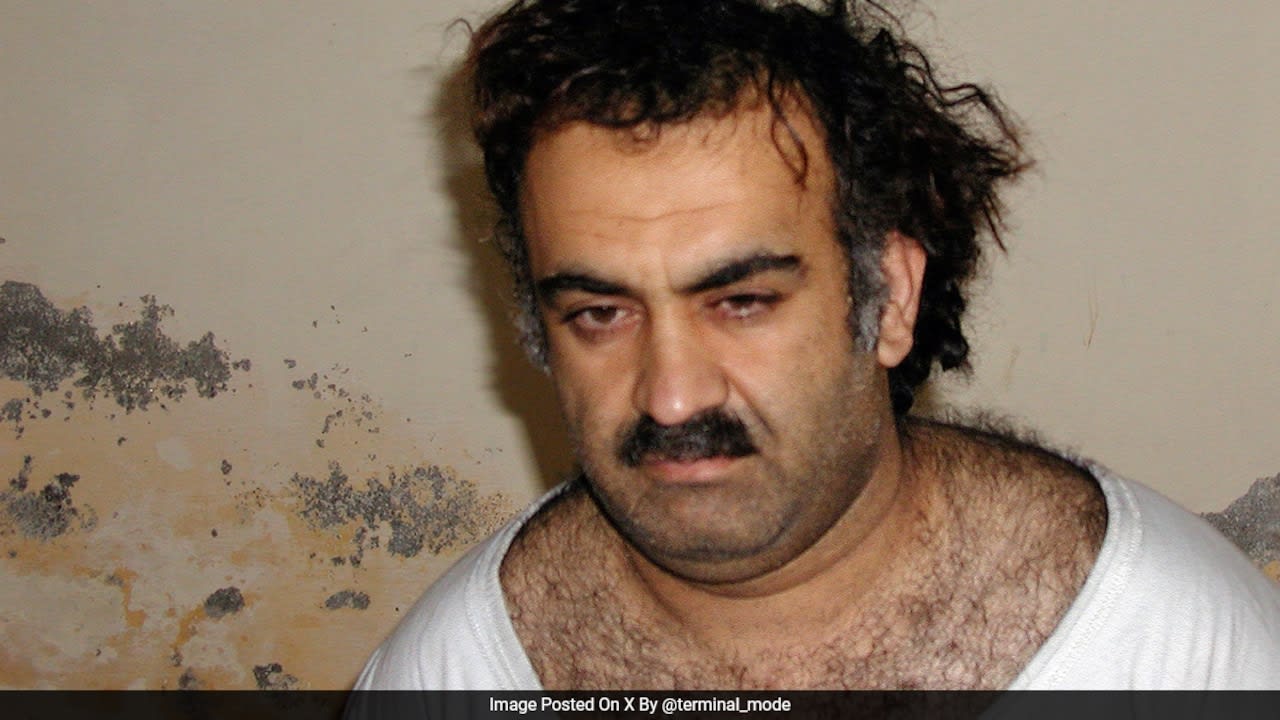
A report indicates the CIA failed to link intelligence regarding 9/11 mastermind Khalid Sheikh Mohammed prior to the attacks. Mohammed has remained in custody at Guantanamo Bay since September 2006.
The Intelligence Breakdown: 9/11 and the Path to Khalid Sheikh Mohammed
Recent reports have brought to light critical lapses within the U.S. intelligence community regarding the identification of Khalid Sheikh Mohammed, the self-proclaimed mastermind behind the September 11, 2001, terrorist attacks. Despite the existence of intelligence pointing toward his involvement and strategic importance, the CIA failed to synthesize this information effectively before the tragedy unfolded. This failure highlights a significant gap in the pre-9/11 analytical framework, where siloed information prevented agencies from connecting the dots on a figure who would eventually be identified as the primary architect of the hijackings.
The Role of Intelligence Silos
The inability to connect key intelligence regarding Mohammed serves as a stark case study in the dangers of bureaucratic fragmentation. Before the attacks, various agencies possessed fragments of intelligence that, if viewed holistically, could have alerted authorities to the specific threat posed by Mohammed. The failure to unify these disparate threads allowed him to operate with a degree of anonymity and freedom that ultimately facilitated the planning and execution of the plot. This event remains a foundational point of reference for modern intelligence reform, emphasizing the necessity of information sharing across federal agencies.
Khalid Sheikh Mohammed: From Architect to Detainee
Following his eventual capture, Khalid Sheikh Mohammed became the centerpiece of the U.S. government's post-9/11 counter-terrorism efforts. His status as the primary mastermind led to his transfer to the detention facility at Guantanamo Bay, where he has been held since September 2006. His presence there for nearly two decades represents the prolonged legal and logistical challenges the United States has faced in addressing the accountability of high-value detainees captured in the aftermath of the War on Terror.
Legal and Ethical Implications
The continued detention of Mohammed at Guantanamo Bay is not merely a logistical fact but a focal point for ongoing legal and ethical debates. The delay in his trial and the complexities surrounding the military commission process reflect the broader difficulties of balancing national security interests with constitutional due process. His case continues to influence discussions regarding the future of the detention facility and the precedents set by the U.S. judicial system when dealing with international terrorism suspects.
Lessons for Future Intelligence Operations
Looking forward, the failure to connect the intel on Mohammed before 2001 continues to shape how intelligence agencies prioritize threat assessment. The integration of data analytics and the dismantling of organizational barriers are direct responses to the lessons learned from this failure. By examining why the CIA failed to recognize the significance of the intelligence it held, contemporary agencies strive to ensure that future masterminds are identified and neutralized before they can translate intent into catastrophic action.
Conclusion
The story of Khalid Sheikh Mohammed is inextricably linked to the intelligence failures that allowed the 9/11 attacks to occur. His ongoing detention since September 2006 serves as a constant reminder of the high stakes involved in intelligence gathering. As history continues to analyze the events leading up to 2001, the focus remains on how organizational culture and information management must evolve to prevent such catastrophic lapses from recurring.
Verification Required?