Amazon ditches GrubHub, taps Uber Eats for Prime
Source Entity
Kirsten Korosec
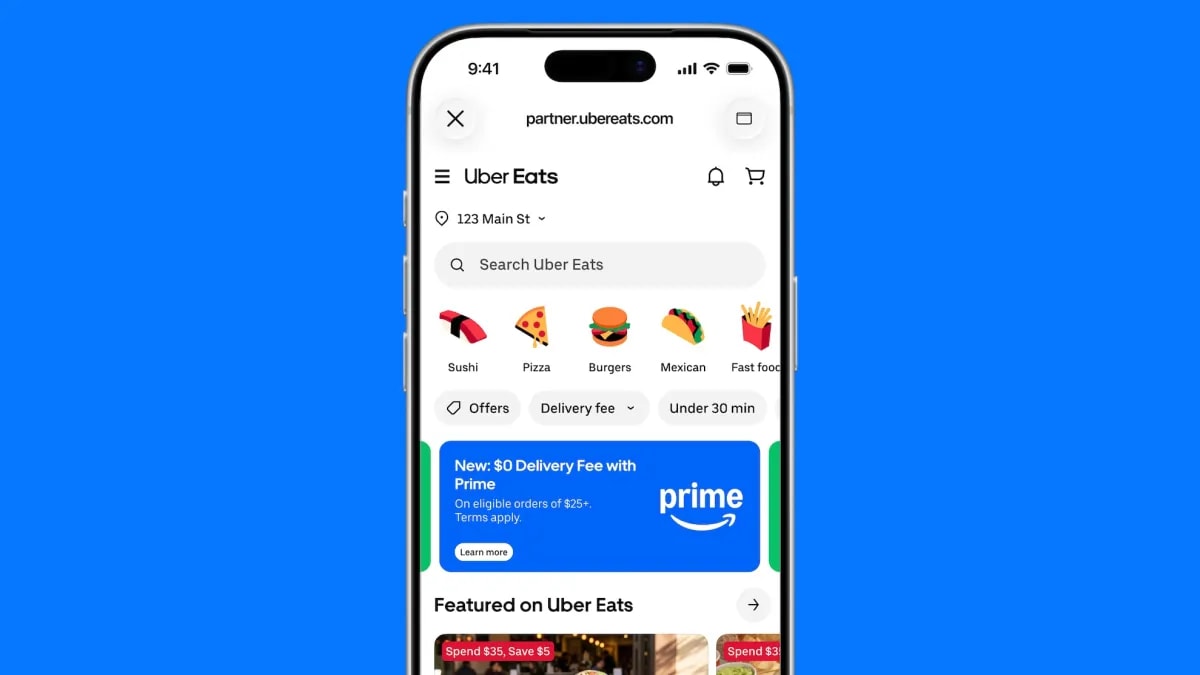
Amazon has replaced Grubhub with Uber Eats as its official restaurant delivery partner for US Prime members. This strategic shift allows Prime subscribers to access $0 delivery fees on orders over $25 directly through the Amazon platform.
The Strategic Realignment of Amazon Prime Delivery
Amazon has officially announced a significant shift in its logistics and service ecosystem by naming Uber Eats as its exclusive restaurant delivery partner for Prime members in the United States. This move marks the formal conclusion of Amazon's previous commercial agreement with Grubhub, signaling a broader effort by the e-commerce giant to streamline its value proposition. By integrating Uber Eats directly into the Amazon.com website and the Amazon Shopping app, the company is attempting to centralize the user experience, making food delivery a frictionless extension of the Prime membership benefits.
Enhancing the Prime Value Proposition
The core of this new partnership is the elimination of delivery fees for Prime members on restaurant orders exceeding $25. This incentive structure is designed to drive higher transaction volumes and increase the utility of the Prime subscription, which has historically focused on fast retail shipping and digital media. By removing the requirement for members to create separate Uber accounts, Amazon is reducing the technical barriers to entry, effectively turning its massive user base into a captive audience for Uber Eats' restaurant network.
Shifting Competitive Landscapes
This partnership arrives at a pivotal moment for the gig economy and food delivery sector. With market rivals such as DoorDash and Instacart reshaping the competitive landscape through consolidation and service expansion, Uber faces increasing pressure to secure high-value partnerships. For Amazon, the decision to pivot away from Grubhub and toward Uber Eats represents a tactical choice to align with a partner that can provide the scale and operational efficiency required to serve millions of Prime subscribers simultaneously.
Operational Integration and Frictionless Consumption
A notable aspect of this integration is the seamlessness of the user interface. By allowing orders to be placed directly through the Amazon ecosystem, the company is doubling down on its 'everything store' philosophy. Users no longer need to manage multiple third-party apps to access restaurant delivery, which simplifies the consumer journey. This integration suggests that Amazon is prioritizing high-frequency, daily-use services to ensure that Prime remains indispensable in the lives of American consumers.
Future Trends in E-commerce Partnerships
Looking forward, this move indicates a growing trend of 'platform-as-a-service' models, where major e-commerce players act as hubs for specialized external services. By outsourcing the last-mile logistics of restaurant delivery to an established player like Uber Eats, Amazon maintains its focus on its core retail and cloud operations while still capturing revenue from the food delivery market. We can expect to see more such strategic alliances as companies look to consolidate services under single, user-friendly digital storefronts to combat market saturation and rising acquisition costs.