Inside Amazon’s robotic arms race and what it means for the future of human work
Source Entity
Jeremy Hsu
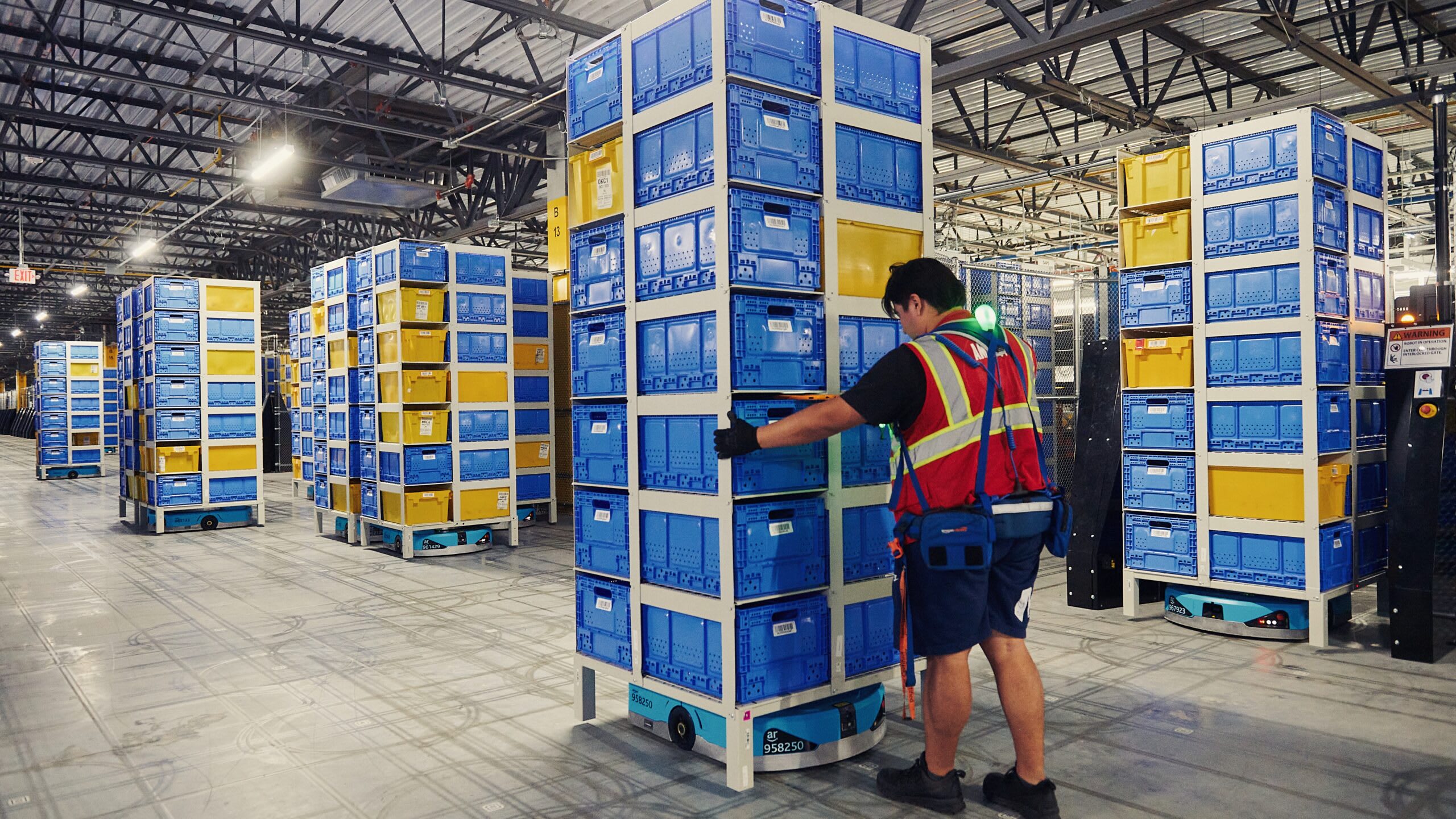
Amazon is significantly expanding its massive fleet of over one million warehouse robots to improve delivery speed and efficiency. The company maintains that these machines augment its 1.5 million-strong human workforce by handling dangerous and physically demanding tasks.
The Evolution of Amazon’s Robotic Logistics
Amazon has cemented its position as the world's leader in industrial automation, currently operating a fleet of more than one million robots within its fulfillment centers. This massive deployment is not merely a supplementary effort but the backbone of the company’s ability to execute tens of millions of same-day and one-day deliveries daily. As the second-largest corporate employer globally, Amazon’s strategy reflects a broader industrial shift toward integrating high-speed robotics with human labor to meet the escalating consumer demand for instant gratification in e-commerce.
Scaling the Robotic Fleet
The company’s commitment to automation is entering a new phase, characterized by the internal production of more sophisticated robotic systems. By establishing dedicated factories to manufacture its own robot workers, Amazon is vertically integrating its supply chain to ensure that its warehouse technology evolves alongside its logistical needs. This move signifies a strategic pivot from merely purchasing external automation solutions to driving the innovation of next-generation machines capable of performing increasingly complex tasks.
The Human-Machine Symbiosis
Despite the rapid growth of its robotic fleet, Amazon remains a massive human employer, with its 2025 annual report confirming a workforce of over 1.5 million full-time and part-time staff. This dual-track approach—scaling machines while maintaining a massive human payroll—suggests that Amazon views robotics as a tool for augmentation rather than total replacement. Executives frequently highlight that these robots are designed to alleviate the physical strain on human workers by absorbing the most hazardous and repetitive duties within the fulfillment lifecycle.
Mitigating Workplace Risks
The core justification for this robotic expansion lies in safety and efficiency. By offloading tasks that carry the highest risk of physical injury to machines, Amazon aims to reduce workplace accidents and fatigue. This transition is critical for a company operating at such a high velocity, where the physical toll of manual fulfillment can be significant. The deployment of robots to handle heavy lifting and repetitive motion is a calculated attempt to optimize the human-machine interface for better long-term operational health.
Future Trends and Economic Implications
Looking ahead, the integration of increasingly capable robots into the Amazon ecosystem will likely set a new industry benchmark for logistics. As these systems become more autonomous and adept at navigating complex warehouse environments, the nature of human work within these facilities will shift toward oversight, maintenance, and high-level problem solving. While this technological advancement promises greater delivery speeds and safer working conditions, the broader implications for the labor market remain a subject of intense scrutiny as the line between human labor and robotic assistance continues to blur.