Ambala’s grand memorial to 1857 uprising awaits its first visitor — PM Modi
Source Entity
Sukhbir Siwach
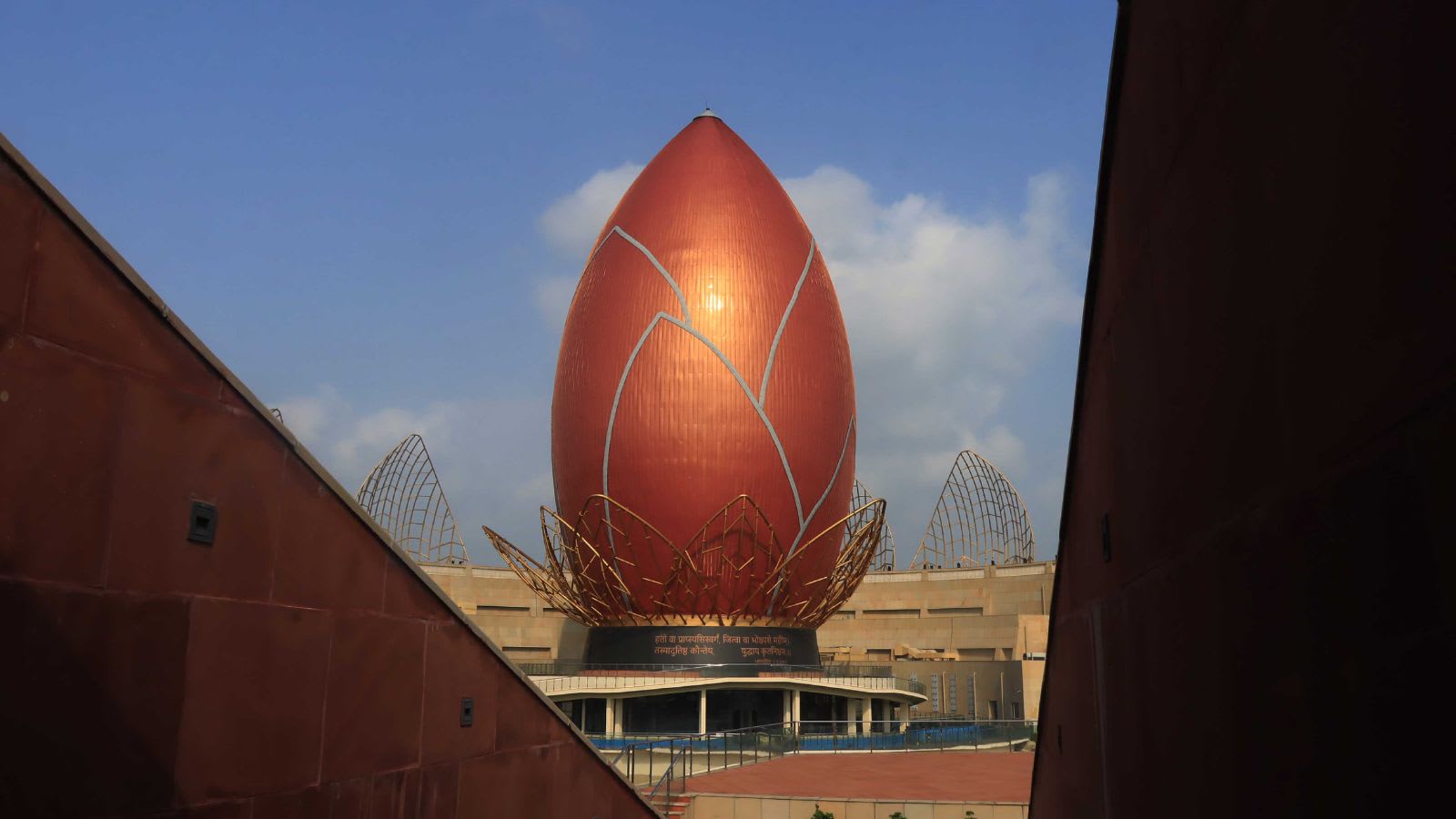
The grand 1857 uprising memorial in Ambala, Haryana, is fully constructed but remains closed to the public. State officials are currently awaiting an official inauguration date from Prime Minister Narendra Modi.
The Ambala Memorial: A Symbol of Historical Reverence
The construction of the Azadi Ki Pehli Ladai Ka Shaheed Smarak in Ambala, Haryana, represents a significant cultural and historical investment by the state government. Designed as a grand tribute to the heroes of the 1857 uprising—often recognized as India's first war of independence—the memorial aims to serve as an educational and emotional landmark. While the structure stands complete, its current state of closure highlights the importance placed on high-level political endorsement for major national projects.
Political Significance and Leadership
This project is intrinsically linked to the political career of Haryana’s Energy Minister, Anil Vij. Representing the Ambala Cantonment constituency for his seventh term, Vij has championed this initiative as a centerpiece of his legislative legacy. The memorial, described by the state government as Asia’s largest of its kind, is not merely a historical site but a reflection of the regional political landscape where local leadership seeks to align state milestones with national-level recognition.
The Anticipation of a Presidential Inauguration
State officials have explicitly stated that the delay in opening the memorial to the public is due to their desire for Prime Minister Narendra Modi to perform the inauguration. This reflects a trend in Indian governance where major infrastructure and cultural projects are debuted by the highest executive office to signify their importance and boost public morale. The administration views the project as a monumental achievement that warrants a 'tall leader' for its official unveiling.
Historical Context of the 1857 Uprising
The choice of Ambala as the site for this memorial is deeply rooted in history. Ambala Cantonment played a pivotal role in the events of 1857, acting as a crucial garrison town during the period of British colonial administration. By situating the memorial here, the Haryana government is attempting to reclaim the historical narrative of the uprising and solidify the region’s contribution to the broader struggle against colonial rule, ensuring that the sacrifices made by local soldiers and citizens are permanently etched into the national consciousness.
Future Implications and Public Access
Once inaugurated, the memorial is expected to become a site of national tourism and historical research. Beyond its immediate function as a museum or monument, it represents an effort to institutionalize public memory. The delay, while currently a point of local discussion, underscores the administrative protocols governing the launch of major state assets. Moving forward, the site is poised to become a central point for commemorative events, potentially altering the cultural profile of Ambala as a destination for students, historians, and tourists interested in the legacy of the Indian independence movement.