Tension in Ambala as cops fire teargas to disperse Sikh protesters
Source Entity
Sukhbir Siwach
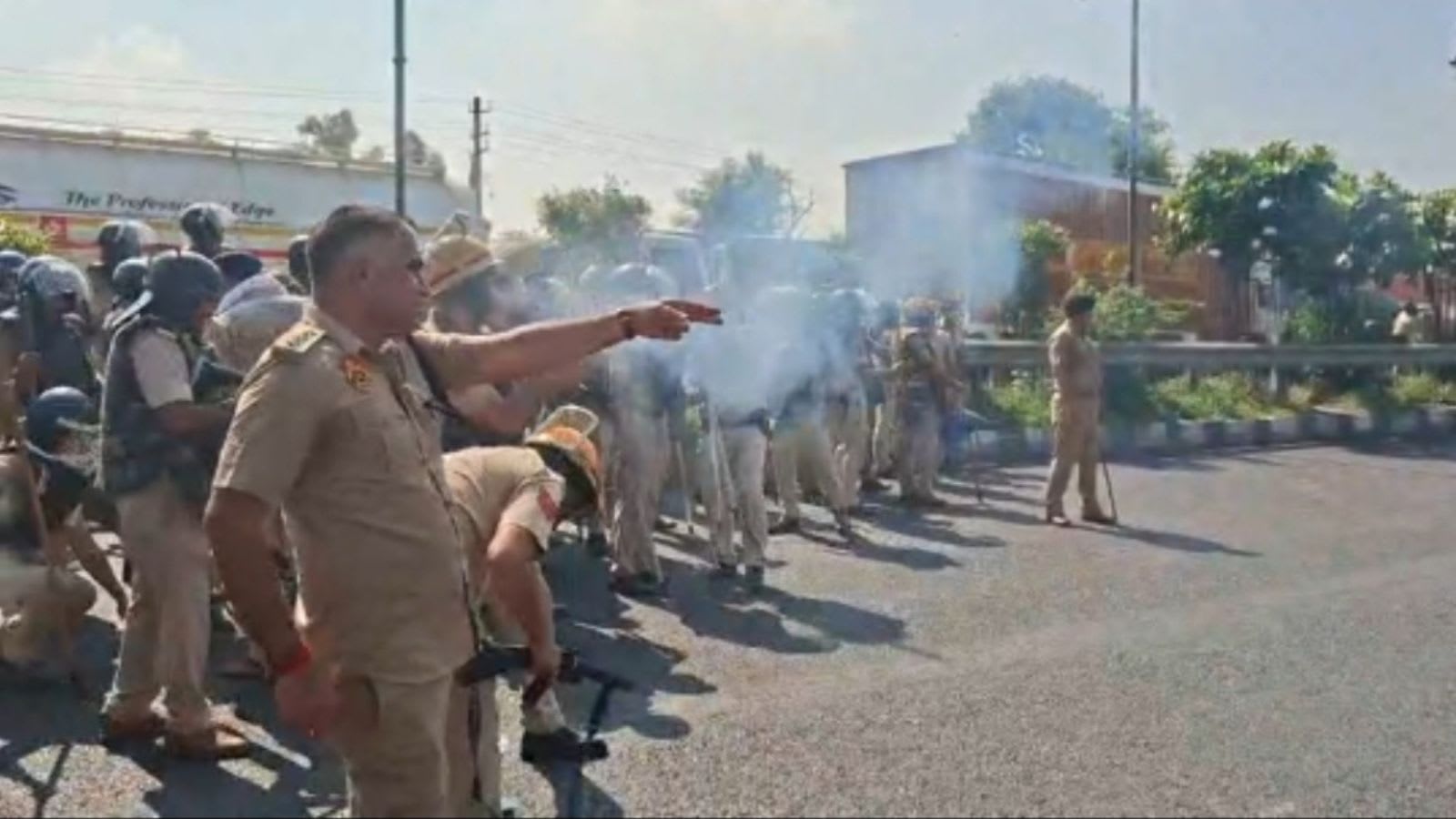
Tensions flared in Ambala as police used tear gas to disperse Sikh protesters demanding the arrest of an anti-Khalistan leader. The demonstration led to a major highway blockade that lasted six hours, resulting in multiple injuries to both protesters and police.
Confrontation in Ambala: Tensions Escalate Over Protests
On Thursday, the city of Ambala witnessed significant civil unrest as members of the Sikh community organized a march to demand legal action against Gursimran Singh Mand, the president of the International Anti-Khalistan Front. The protest, which originated near the Gurdwara Panjokhra Sahib, escalated rapidly as participants moved toward the town, eventually resulting in a direct confrontation with law enforcement authorities near the Ambala-Dehradun National Highway (NH-344).
The Catalyst for Unrest
The core grievance driving this protest stems from allegations against Gursimran Singh Mand, specifically claims that he attempted to run over individuals with his vehicle during a recent incident. The protesters, seeking accountability, demanded the registration of a formal case and the immediate arrest of the organization's president. The mobilization of hundreds of community members highlights the deep-seated grievances and the high level of sensitivity surrounding the activities of anti-Khalistan groups in the region.
Escalation and Police Intervention
As the situation moved from the vicinity of the Gurdwara toward the main thoroughfares, police were forced to intervene to maintain order and clear vital transport arteries. Authorities utilized tear gas shells and, according to reports, resorted to a cane charge to disperse the crowds after the protesters blocked the Delhi-Amritsar National Highway (NH44). The confrontation resulted in injuries to several individuals, including the president of the Haryana Sikh Gurdwara Management Committee (HSGMC), Jathedar Jagdish Singh Jhinda.
Impact on Regional Infrastructure
The blockade of the NH44, a critical artery for North Indian logistics and travel, caused significant disruption for approximately six hours. The severity of the clash is underscored by the report that at least six police personnel, including DSP Virender Sharma and various constables, sustained injuries during the operation to clear the highway. This incident emphasizes the volatile nature of public demonstrations when they intersect with major logistical corridors.
Broader Implications and Future Trends
The incident in Ambala reflects a broader trend of heightened communal and political friction in Haryana. When religious sentiments are coupled with allegations of violence—such as the reported vehicular incident—the potential for rapid escalation remains high. Future stability in the region will likely depend on the transparency of the subsequent police investigation into the complaints filed against the International Anti-Khalistan Front and the ability of local authorities to mediate between competing community interests before they manifest into large-scale civil disruptions.