Congress alleges BJP Yuva Morcha members being sent from West Bengal to Jharkhand to join student protest
Source Entity
India Latest News: Top National Headlines Today & Breaking News | The Hindu
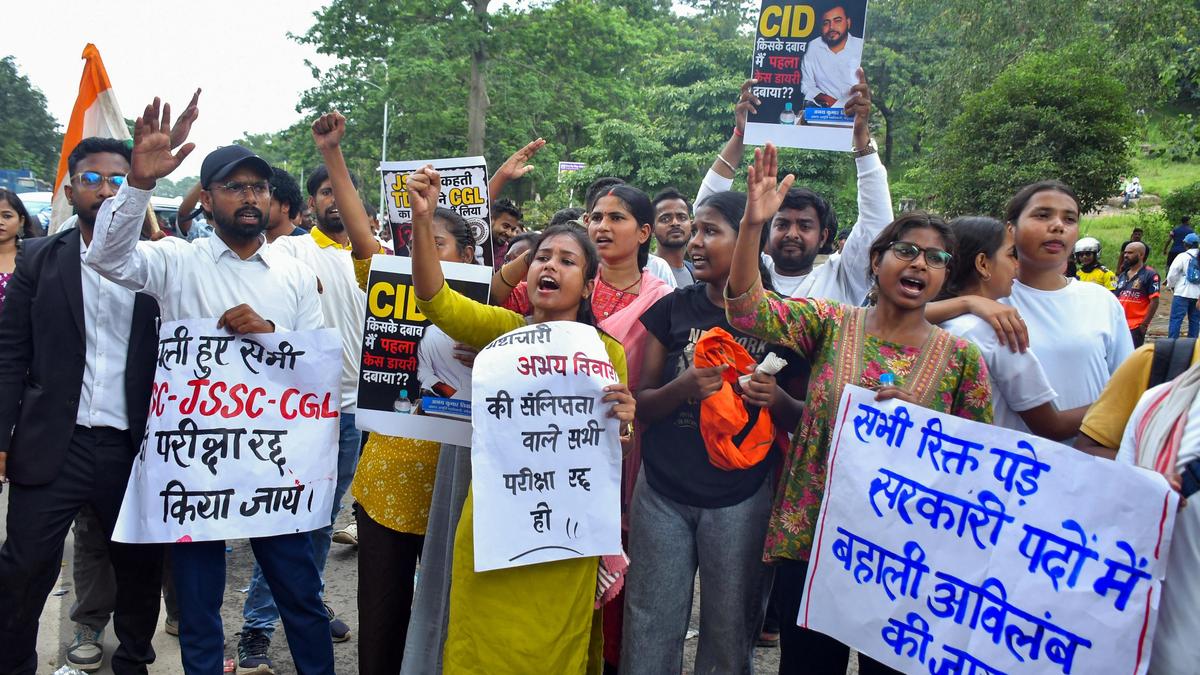
Jharkhand student leader Devendra Nath Mahto's health has critically declined during a 15-day hunger strike protesting alleged state exam irregularities. The government has initiated a sixth round of talks and launched a suggestion portal to address student demands for reforms and a CBI inquiry.
Crisis in Jharkhand: Student Protests and the Hunger Strike
The ongoing agitation in Ranchi, centered at the Jaipal Singh Munda Stadium, has reached a critical inflection point as student leader Devendra Nath Mahto enters his 15th day of an indefinite hunger strike. The protest, fueled by widespread allegations of irregularities within the Jharkhand Public Service Commission (JPSC) and the Jharkhand Staff Selection Commission (JSSC) examination processes, highlights a deep-seated frustration among job aspirants regarding the state's recruitment integrity.
The Human Toll of the Agitation
Devendra Nath Mahto’s physical condition has deteriorated significantly, with medical reports indicating dangerously low blood sugar, hypotension, and severe dehydration. Mahto has publicly stated that his internal organs are struggling to cope, underscoring the severity of the protest. This hunger strike is not merely a personal sacrifice but a symbolic representation of the desperation felt by thousands of youths who view current examination systems as fundamentally flawed and lacking transparency.
Government Response and Institutional Dialogue
In response to the mounting pressure, the Jharkhand government has engaged in a protracted dialogue process. Following a four-hour meeting between a government-appointed panel and Chief Minister Hemant Soren, it was announced that a sixth round of talks will be held to resolve the impasse. The government’s approach has been two-fold: maintaining an open channel of communication through these meetings and launching a dedicated digital portal to invite broader public and student suggestions regarding the recruitment process.
Key Demands and the Call for Accountability
The core of the student movement remains fixed on two primary demands: the total cancellation of examinations perceived to be compromised by systemic irregularities and the initiation of a Central Bureau of Investigation (CBI) probe. Students argue that without an independent external investigation, the credibility of the state’s recruitment framework cannot be restored, effectively barring many qualified candidates from fair employment opportunities.
Broader Implications and Future Trends
The situation in Jharkhand reflects a broader national trend where state-level recruitment exams become flashpoints for political and social unrest. When youth employment prospects are perceived to be hindered by corruption or mismanagement, the resulting agitation often forces state administrations to pivot toward more transparent, albeit reactive, governance models. The government's decision to establish a dedicated email ID and a suggestion portal represents an attempt to institutionalize these grievances, though the ultimate success of these measures will depend on whether they lead to tangible policy shifts or are viewed merely as stalling tactics.
Conclusion
As the state prepares for the sixth round of negotiations, the resolution of this crisis hinges on the government's ability to address the students' specific demands for an independent inquiry. The tragic decline in Mahto’s health has placed significant moral pressure on the administration to act decisively. Moving forward, the state must balance the urgent need for medical intervention for the protesters with a comprehensive reform of the examination system to prevent future cycles of unrest.
Multiple Citing Sources
Verification Required?