Real 'Sena' battle: 'Sin' of defection should not be rewarded, Uddhav camp tells SC
Source Entity
TOI NEWS DESK
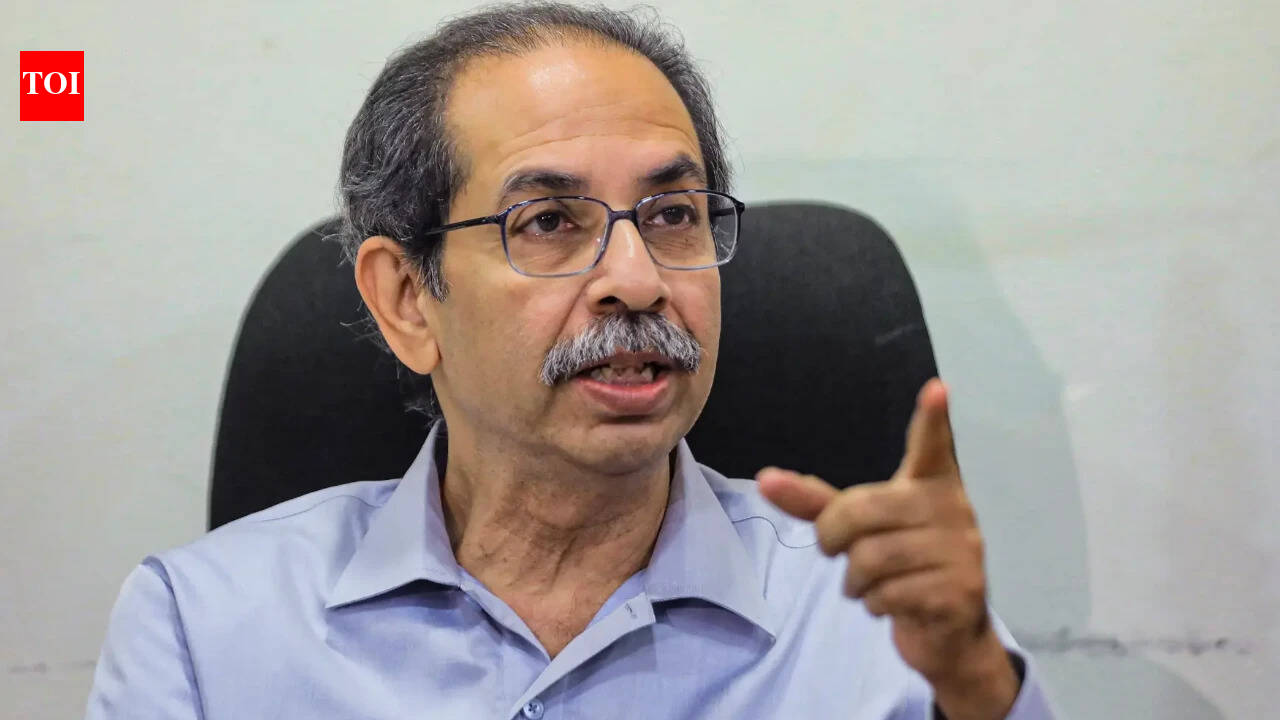
The Uddhav Thackeray faction of the Shiv Sena has urged the Supreme Court to uphold anti-defection laws during the ongoing party symbol and recognition dispute. The court is currently examining the legal distinction between internal party splits and disqualification proceedings.
The Shiv Sena Legal Battle: Constitutional Integrity at Stake
The ongoing legal confrontation between the Uddhav Thackeray-led Shiv Sena faction and the rival group represents a pivotal moment in Indian constitutional jurisprudence. By asserting that the "sin of defection" should not be rewarded, the Thackeray camp is effectively challenging the judiciary to interpret the Tenth Schedule of the Constitution in a way that prevents the subversion of democratic mandates. At the heart of this argument is the contention that political stability relies on the sanctity of party affiliations, and that legislative maneuvers should not be used as a shield to bypass anti-defection provisions.
The Intersection of Law and Political Legitimacy
This case hinges on the delicate balance between party discipline and the rights of individual legislators. The Uddhav Thackeray faction's legal team has emphasized that constitutional provisions must serve as a deterrent against the erosion of party integrity. Their argument posits that if internal splits are treated merely as organizational shifts rather than breaches of the anti-defection law, it could create a dangerous precedent where shifting loyalties are normalized, ultimately undermining the electoral choice of the constituents who voted for a specific party platform.
Dissecting the Split vs. Disqualification Debate
A significant portion of the Supreme Court proceedings has been dedicated to distinguishing between legitimate political dissent that results in a split and the act of defection that triggers disqualification. The court is tasked with determining whether the actions of the rival faction constitute a fundamental rupture in the party structure or a targeted attempt to circumvent legal disqualification. This distinction is vital, as it defines the scope of the Election Commission’s authority and the judiciary’s role in adjudicating party recognition.
The Impact on Party Symbols and Recognition
Beyond the individual disqualification proceedings, the dispute over the Shiv Sena party symbol carries immense weight in the Indian political landscape. Symbols are deeply tied to voter recognition and regional identity, making the battle for the 'real' Sena a high-stakes endeavor for both factions. The Supreme Court's deliberation on how to handle these symbols in the wake of a factional divide will likely set a lasting standard for how political parties are recognized and managed under Indian electoral law.
Historical Context and Future Implications
This hearing follows a period of intense political volatility in Maharashtra, highlighting the fragility of state governments when party lines are blurred. Historically, the Tenth Schedule has been a subject of frequent litigation, but the current dispute adds a modern layer of complexity regarding digital presence, organizational control, and the legislative majority. The outcome of the August 18 hearing will not only decide the fate of the Shiv Sena’s identity but will also offer critical guidance for future cases where party unity is challenged by internal dissent.
Conclusion: A Defining Judicial Moment
As the Supreme Court continues its assessment, the legal community and the public remain focused on the potential for a landmark ruling. The final decision will resonate far beyond the Shiv Sena, potentially reshaping the enforcement of anti-defection laws across India. By addressing whether the 'sin' of defection can be insulated from legal repercussions, the court is essentially deciding the future of party accountability and the strength of the legislative framework in the world's largest democracy.