Karoline Leavitt leaving White House: From ‘lazy Gen Z’ jibe to Gaza condoms controversy
Source Entity
The Indian Express
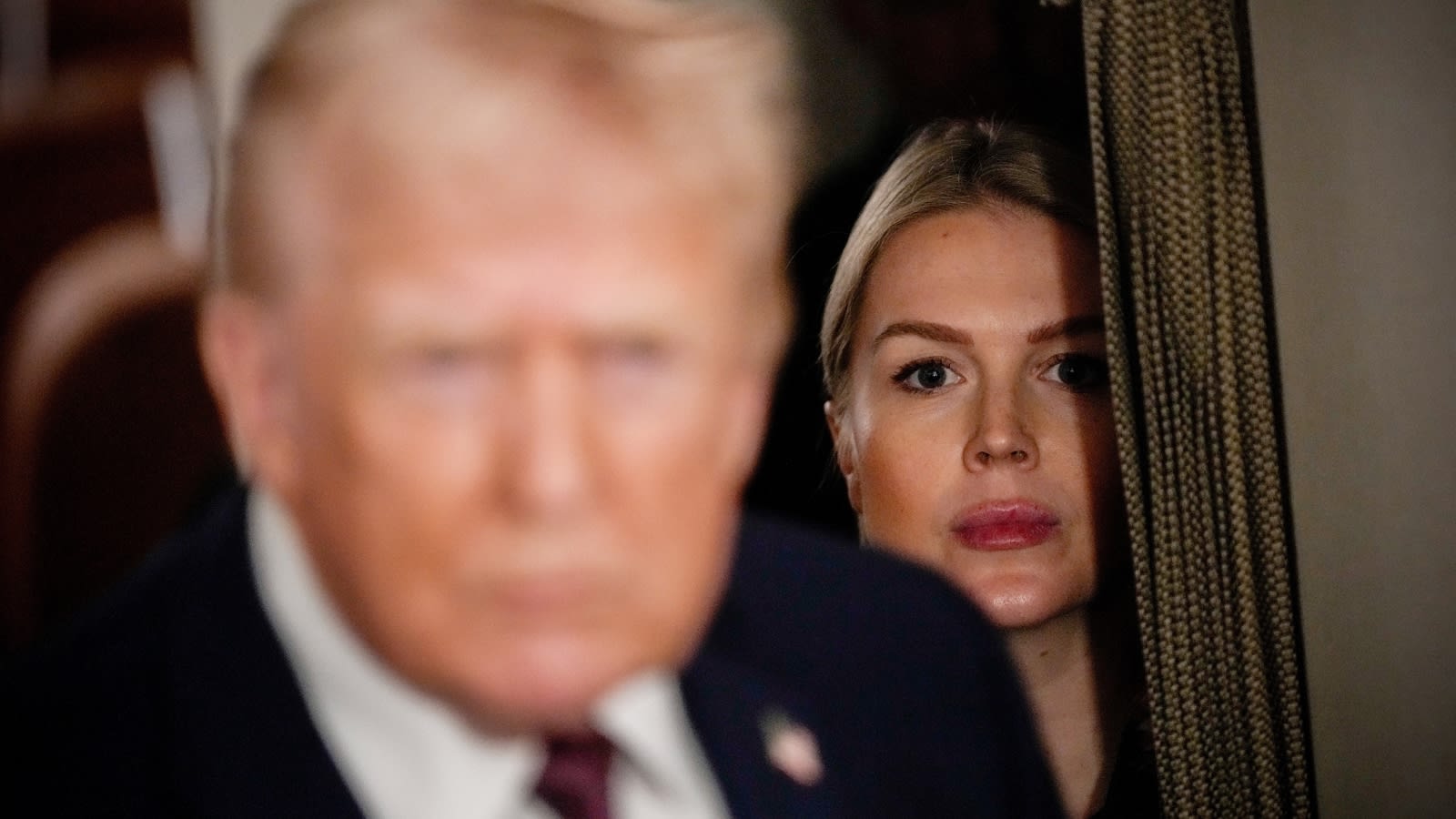
White House Press Secretary Karoline Leavitt is stepping down at the end of August to prioritize her family after a 20-month tenure. The 28-year-old will transition into a role as a senior outside adviser to President Donald Trump.
The Departure of Karoline Leavitt: A Tenure Defined by Contrast
White House Press Secretary Karoline Leavitt, the youngest individual to hold the position in American history, has announced she will step down from her post at the end of August. Taking office in January 2025 at the age of 27, Leavitt’s 20-month tenure has been characterized by a high-intensity approach to communications, positioning her as a central, combative figure in the Trump administration’s public-facing strategy.
Balancing Public Service and Parenthood
Leavitt, who recently welcomed her second child in May with husband Nicholas Riccio, stated that the demands of the White House press office are fundamentally incompatible with her desire to be the mother her two young children deserve. Her departure highlights the ongoing national conversation regarding the difficulty of balancing high-stakes political roles with the realities of modern family life. By choosing to step down shortly after returning from maternity leave, Leavitt has framed her exit as a personal prioritization of family over the relentless pace of the West Wing.
A Legacy of Combative Communication
Throughout her time as Press Secretary, Leavitt became known for her aggressive defense of President Donald Trump. Her tenure was not without significant controversy, as she frequently engaged in public spats and faced criticism for various statements. Notably, she navigated intense scrutiny regarding the administration's stance on Gaza, including a highly disputed claim involving $50 million in aid for condoms. Furthermore, her public characterization of Gen Z as being “a little bit” lazy sparked significant backlash, illustrating her penchant for provocative rhetoric.
Navigating High-Stakes Political Issues
Beyond social commentary, Leavitt was at the center of the administration’s most sensitive media battles. She was a primary defender of President Trump during the intense media scrutiny surrounding the Jeffrey Epstein files. Her ability to pivot between these high-pressure defense scenarios and her role as a spokesperson for administration policy solidified her reputation as one of Trump’s most trusted and visible aides.
The Future: From Press Secretary to Outside Advisor
Despite her exit from the formal government role, Leavitt’s influence in the Republican Party is expected to persist. President Trump has officially designated her as a “real leader” and a “top outside advisor.” This transition suggests that while she is leaving the briefing room, she will remain an influential voice within the Trump political orbit. Her move to an advisory capacity allows her to maintain her political relevance while stepping away from the daily, grueling demands of the press secretary position.
Conclusion: Assessing a Unique Tenure
Karoline Leavitt’s time in the White House will likely be remembered as a period of significant intensity and polarizing public interaction. As she transitions to her new role, her tenure serves as a case study in the modern challenges of political communications in a hyper-partisan era. Her story reflects both the personal sacrifices required of high-level government officials and the evolving nature of political discourse in the digital age.
Multiple Citing Sources