‘Faith can’t prove ownership’: Rajasthan High Court upholds attachment of gurudwara
Source Entity
Vineet Upadhyay
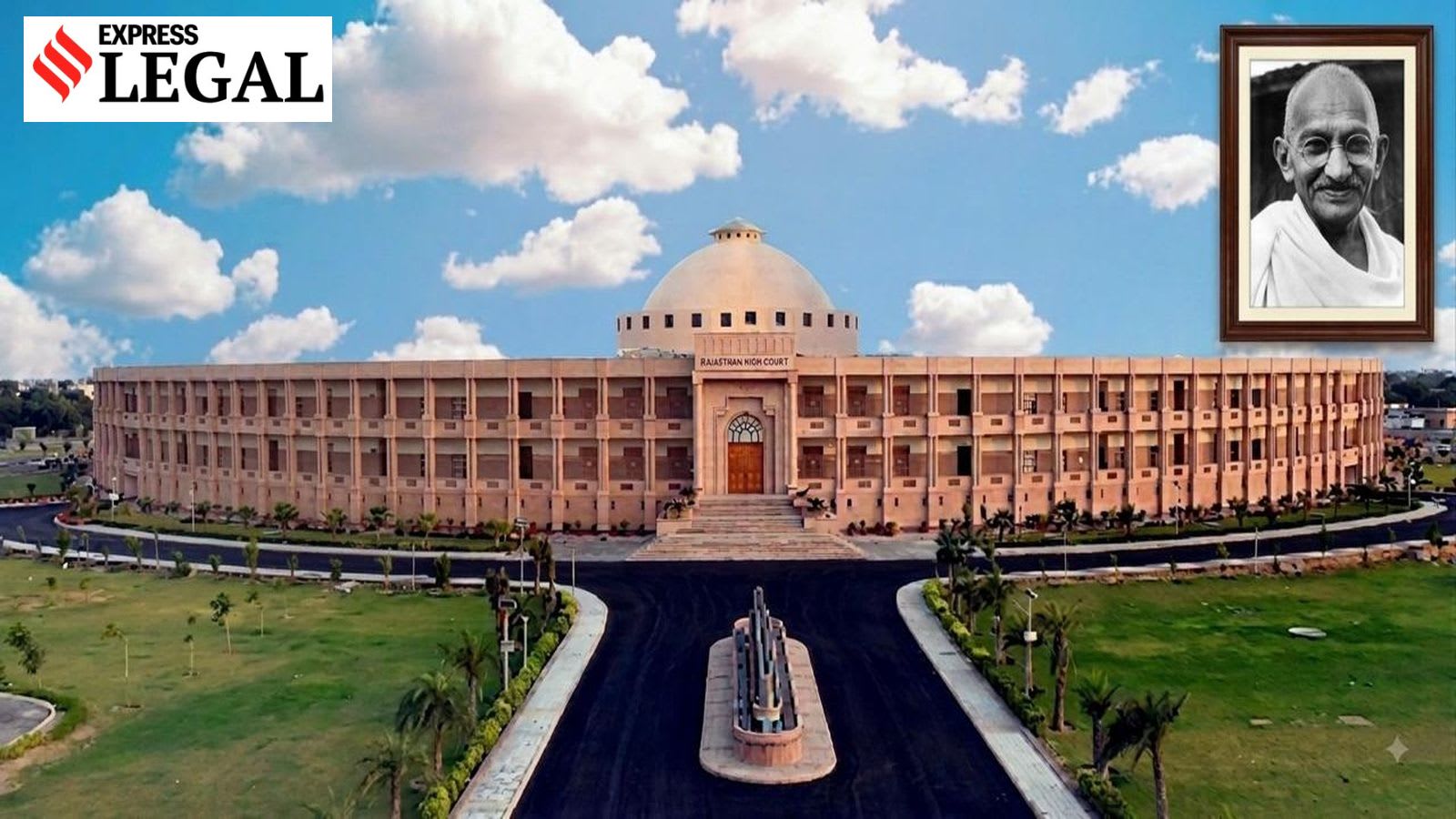
The Rajasthan High Court ruled that faith does not confer property ownership, while the Delhi High Court penalized a litigant for making unsubstantiated bias claims against a judge. Both rulings emphasize the necessity of legal evidence and professional decorum in judicial processes.
Legal Precedents and the Supremacy of Law in India
The Indian judiciary has recently reinforced two critical pillars of the legal system: the objective determination of property rights and the protection of judicial integrity. In Rajasthan, the High Court’s decision regarding Gurudwara Mehtabgarh Sahib serves as a stark reminder that religious devotion, while deeply significant, does not equate to legal title. Meanwhile, the Delhi High Court’s imposition of a fine on a litigant highlights the increasing judicial intolerance for frivolous allegations aimed at undermining the impartiality of the bench.
The Intersection of Faith and Property Law
In the Rajasthan High Court case, Justice Farjand Ali addressed a fundamental conflict between religious sentiment and statutory land law. By upholding the attachment of the property and the appointment of a receiver, the court clarified that long-standing management or religious association is insufficient to claim ownership. The court’s invocation of Mahatma Gandhi’s 1933 Harijan article—which framed worship as a spiritual pursuit—serves to delineate the boundary between the metaphysical realm of faith and the concrete requirements of the civil code. This ruling reinforces the principle that all religious institutions must operate within the established framework of property law, regardless of their spiritual status.
Protecting Judicial Integrity
Simultaneously, the Delhi High Court’s rebuke of a litigant who alleged bias against a trial court judge underscores the sanctity of judicial proceedings. Justice Harish Vaidyanathan Shankar’s decision to impose a Rs 25,000 fine on Mohammad Ahmad for making unsubstantiated claims based on oral observations sets a strong deterrent. The judiciary relies on the presumption of impartiality, and allowing litigants to weaponize oral remarks to seek transfers or imply bias threatens the efficiency and dignity of lower courts.
Broader Implications for the Legal System
Both cases signal a shift toward greater judicial stringency. The Rajasthan ruling protects against the encroachment of public or disputed land under the guise of religious administration, ensuring that property disputes are settled through documentation rather than emotional appeals. The Delhi ruling protects judicial officers from bad-faith actors who seek to forum-shop or intimidate judges when proceedings do not align with their expectations.
Future Trends and Judicial Discipline
Looking ahead, these rulings suggest that Indian courts will continue to prioritize procedural rigour. As the judiciary faces an increasing volume of litigation, judges are likely to become more proactive in weeding out cases that lack evidentiary support or rely on speculative bias. By enforcing strict adherence to law and respect for judicial office, the courts are fostering a more predictable and orderly legal environment that prioritizes objective reality over subjective grievances.