Ambient CSS v3 – Blender meets CSS
Source Entity
Hacker News
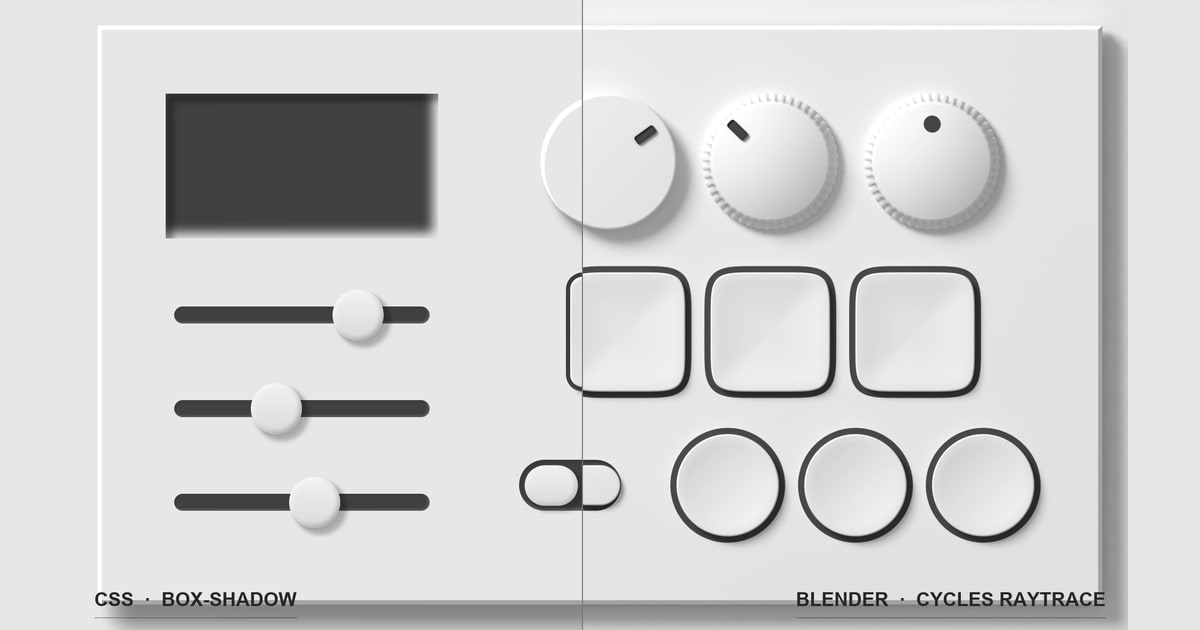
Ambient CSS v3 introduces a novel bridge between 3D rendering concepts and stylesheet development. This tool enables developers to implement Blender-like aesthetic workflows directly within CSS environments.
Bridging the Gap: Ambient CSS v3
The Intersection of 3D Design and Web Development
The emergence of Ambient CSS v3 marks a significant evolution in how web developers approach visual fidelity. By integrating concepts traditionally reserved for 3D modeling software like Blender into the CSS ecosystem, the tool attempts to simplify complex lighting, shading, and material mapping for browser-based interfaces. This represents a shift from static design to dynamic, depth-oriented styling that aims to mimic the sophisticated rendering pipelines found in professional animation and gaming software.
Technical Implications of Blender-Style Workflows
At its core, Ambient CSS v3 provides a framework for translating complex 3D rendering logic into manageable stylesheet syntax. By adopting terminology and property structures familiar to Blender users, the tool lowers the barrier to entry for designers who want to achieve high-end visual effects—such as ambient occlusion, global illumination, and realistic surface textures—without needing to rely on heavy WebGL libraries or external 3D engines. This approach optimizes performance by leveraging native CSS capabilities to handle tasks that were previously computationally expensive.
Enhancing UI/UX Through Depth
Modern web design is increasingly moving away from flat, minimalist aesthetics toward interfaces that utilize depth and texture to improve user engagement. Ambient CSS v3 facilitates this transition by providing a standardized way to apply lighting behaviors that respond to user interaction. By mimicking the way light interacts with objects in a 3D space, developers can create more intuitive interfaces where interactive elements feel tactile and physically present on the screen.
Performance and Optimization Considerations
One of the primary challenges in web development is balancing visual complexity with loading speeds. Ambient CSS v3 addresses this by streamlining the rendering process. By utilizing CSS-based calculations rather than relying solely on image-heavy assets or complex JavaScript-based shaders, the tool allows for high-quality visuals that remain responsive across various devices. This is crucial for maintaining performance metrics, such as Core Web Vitals, while still pushing the boundaries of what is visually possible in a standard browser environment.
Future Trends in Browser-Based Rendering
The trajectory of Ambient CSS v3 suggests a future where the line between web development and 3D design becomes increasingly blurred. As browsers continue to improve their hardware acceleration capabilities, tools that bridge the gap between design software and stylesheets will likely become standard in the developer toolkit. This evolution supports the growing demand for immersive web experiences, such as virtual showrooms, interactive portfolios, and depth-heavy application interfaces.
Conclusive Summary
Ambient CSS v3 represents a sophisticated synthesis of 3D rendering principles and web development standards. By enabling Blender-like aesthetic control within CSS, it empowers developers to create more dynamic, visually rich, and performant user interfaces. As the web continues to evolve into a more immersive medium, tools that unify these disparate design disciplines will be essential for the next generation of digital experiences.