Apple caught off guard by AI demand for Mac Mini and Mac Studio
Source Entity
Hacker News
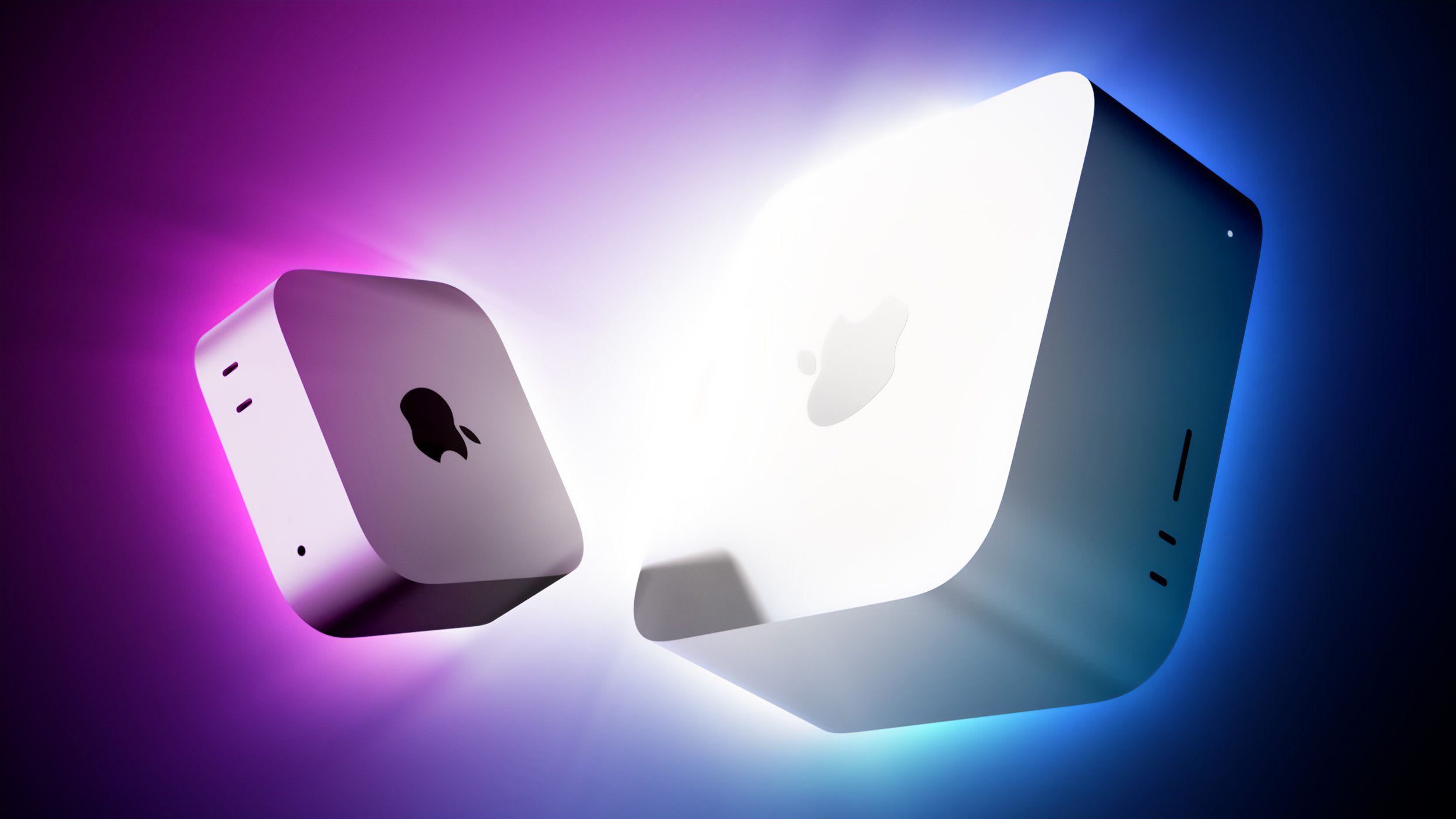
Apple has accelerated the release of its latest Mac mini and Mac Studio models to meet surging enterprise demand for AI-capable hardware. This strategic shift highlights Apple's pivot toward providing scalable computing solutions for developers working on large-scale AI models.
Apple Accelerates Hardware Roadmap Amidst AI Surge
Apple has taken the industry by surprise with the uncharacteristically early announcement of its latest Mac mini and Mac Studio models. Traditionally, the Cupertino-based tech giant adheres to a strict seasonal release schedule, often reserving major hardware refreshes for the October or November window. By pushing these releases forward, Apple is directly responding to shifting market dynamics that prioritize AI-ready infrastructure over traditional consumer refresh cycles.
The Enterprise AI Catalyst
The primary driver for this strategic pivot is an unprecedented surge in enterprise appetite for high-performance computing hardware. According to industry reports, the demand for machines capable of handling complex AI workloads has grown exponentially. Apple’s decision to move up the launch timeline suggests that the company is no longer content with being perceived solely as a consumer-facing brand, but is actively positioning its silicon-based hardware as a viable alternative for heavy-duty AI development and inference tasks.
Scaling for Frontier Models
A critical component of this announcement is the explicit promotion of cluster-based configurations. Apple has highlighted the ability to link multiple Mac Studio units together, creating a unified, more capable system designed specifically to run large frontier AI models. This functionality signals a clear departure from Apple's typical 'all-in-one' marketing, shifting the focus toward modularity and scalability for professional developers and data scientists who require robust local hardware environments.
Redefining the Professional Workflow
By focusing on the Mac mini and Mac Studio, Apple is addressing a specific segment of the market: the professional developer. While everyday consumers are often the target of Apple’s marketing, this announcement prioritizes the needs of those building the AI ecosystem. The hardware's architecture is being optimized to handle the intensive memory and processing requirements of AI models, ensuring that developers can iterate on their projects without relying solely on cloud-based infrastructure.
Market Implications and Future Trends
This shift suggests that Apple is rapidly adapting to a future where AI capability is the primary metric for hardware success. If this trend continues, we may see Apple move toward more frequent, demand-driven hardware releases rather than sticking to the rigid annual cycles that have defined the tech industry for decades. This agility will be essential as the company competes with other hardware providers to become the preferred platform for local AI development.
Conclusion: A Strategic Pivot
Ultimately, the early release of these Mac models serves as a clear indicator of Apple's commitment to the AI revolution. By aligning its hardware roadmap with the immediate needs of the enterprise sector, Apple is not just reacting to a trend—it is actively facilitating the next generation of AI development. As the demand for localized, high-performance computing persists, Apple’s move to provide scalable, developer-focused hardware will likely remain a cornerstone of its corporate strategy.