Ambika Mod says the 'glass ceiling is always getting higher' for South Asian actors
Source Entity
BBC News
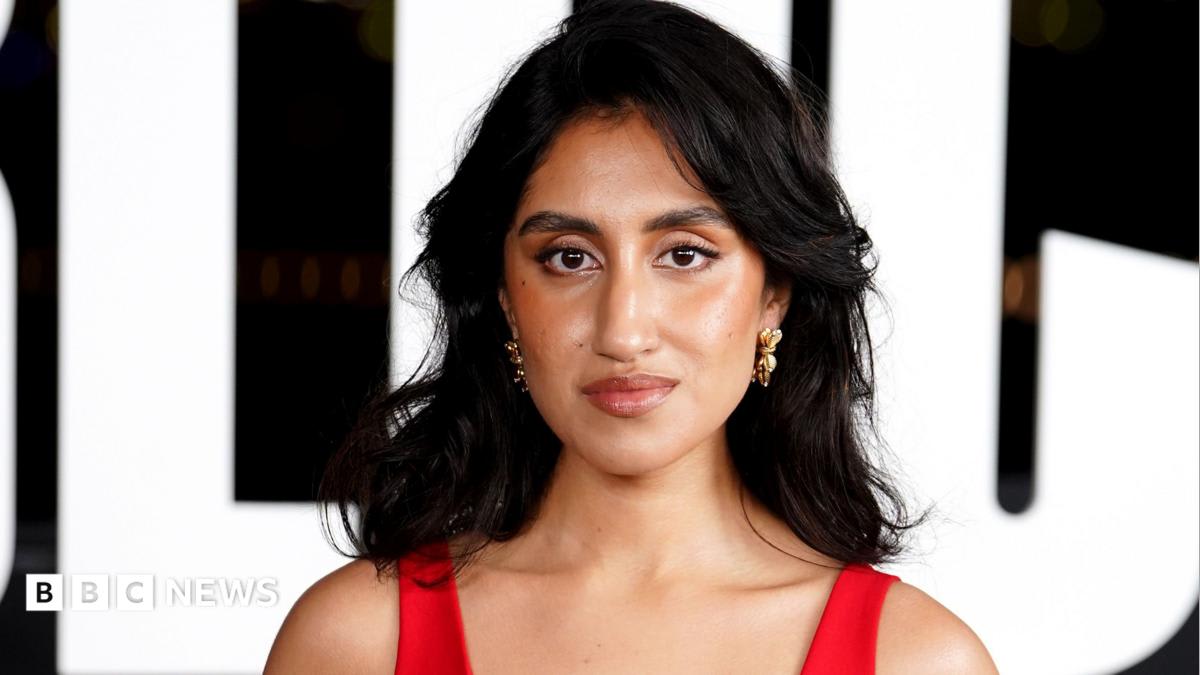
Actress Ambika Mod addresses the systemic barriers faced by South Asian actors in the entertainment industry. She highlights how these challenges persist even after achieving breakout success, citing a 'higher' glass ceiling.
The Persistent Barrier: Ambika Mod on Systemic Inequality
Ambika Mod, currently joining the cast of Netflix’s spy thriller Black Doves, has recently shed light on the structural hurdles facing South Asian actors in the entertainment industry. Despite her acclaim in One Day, Mod has candidly addressed the disparities in career progression between herself and her co-star, Leo Woodall. While Woodall has transitioned into high-profile roles in Bridget Jones: Mad About the Boy and an A24 biopic, Mod’s experience highlights a stark contrast in opportunity that she attributes directly to the industry's systemic flaws.
Systemic Racism as a Career Bottleneck
Mod identifies the root of this disparity not as a lack of talent or marketability, but as a byproduct of systemic racism. By stating that the "glass ceiling is always getting higher," Mod suggests that as minority actors gain visibility, the expectations and obstacles placed before them intensify rather than diminish. This observation challenges the narrative that the industry has fully corrected its historical diversity deficits, suggesting instead that the mechanisms of exclusion have simply become more sophisticated.
The Myth of Equal Opportunity
Fans have frequently noted the divergence in post-breakout success between Mod and Woodall. This public discourse underscores a growing awareness regarding "privilege" in casting. Mod’s comments suggest that she, like many of her peers, does not enjoy the same structural advantages as some fellow actors. This lack of access to the same "privilege" often means that minority performers must work harder to secure equivalent roles, creating an uneven playing field that persists even at the highest levels of television and film production.
Data and Industry Trends
The sentiment expressed by Mod is supported by broader industry metrics. A report from the Creative Diversity Network indicates that representation of minority ethnic groups, both on and off-screen, saw a slight decline in the previous year. This statistical regression contradicts the promises of increased inclusivity made by many studios, suggesting that without intentional, sustained effort, the industry is susceptible to backsliding into older, exclusionary habits.
Broader Implications for the Industry
If the glass ceiling continues to rise, the entertainment industry risks alienating a vast demographic of talent and viewership. The "higher" ceiling described by Mod suggests that for South Asian actors, the bar for entry and advancement is perpetually moving, creating a cycle of exhaustion and frustration. This systemic issue calls into question the efficacy of current diversity initiatives and highlights the need for more transparent casting and development processes.
Future Outlook
As Mod moves forward with Black Doves, her public stance serves as a catalyst for a necessary conversation regarding equity in creative spaces. Future trends will likely depend on whether production houses can move past performative diversity to address the "privilege" gap that Mod highlights. Until the industry acknowledges that the ceiling is not just present but actively moving, the challenge of achieving true parity for South Asian performers will remain an uphill battle.