‘It's awful’: How tariffs, soaring fuel costs and higher interest rates are squeezing American companies
Source Entity
US Top News and Analysis
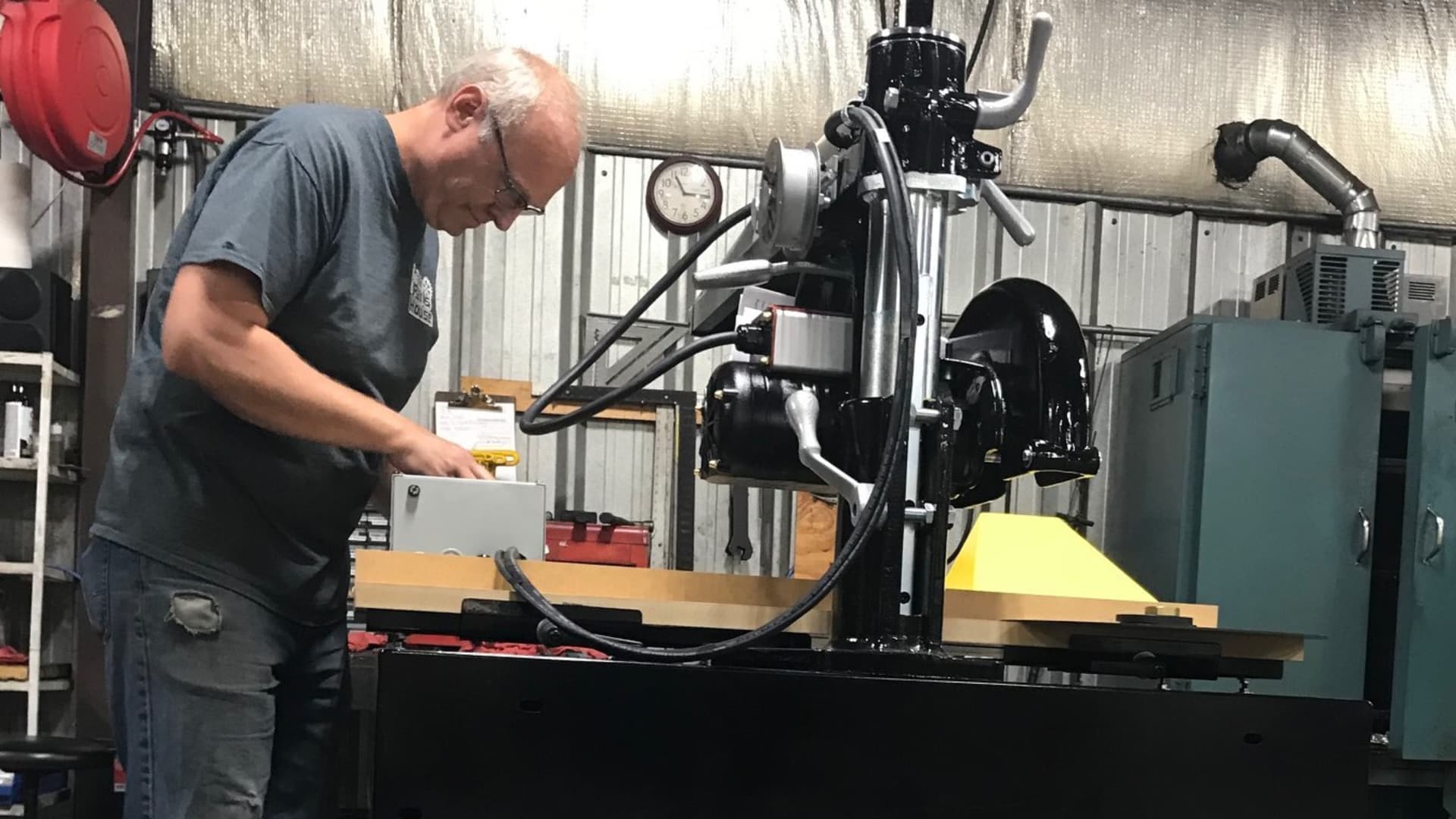
American businesses are facing a severe economic squeeze caused by a combination of trade tariffs, rising fuel costs, and elevated interest rates. These pressures are forcing companies like Original Saw Co. to hoard inventory and navigate unsustainable price hikes for essential materials.
The Perfect Storm: Economic Pressures on American Industry
American businesses are currently navigating a volatile economic landscape defined by a convergence of three distinct, yet compounding, challenges: the lingering impact of trade tariffs, the inflationary effect of soaring fuel prices, and the restrictive nature of higher interest rates. This "triple threat" is creating significant operational friction for manufacturers, auto suppliers, retailers, and transportation firms, threatening both margins and long-term viability.
The Burden of Trade Policy and Material Costs
Trade policies initiated under President Donald Trump have left a lasting mark on the supply chain. Tariffs on imported materials like steel and aluminum have fundamentally altered the cost structure for domestic manufacturers. As seen with the Original Saw Co. in Britt, Iowa, the price of basic components—such as a small bracket for saw motors—has surged, in some cases more than doubling. These sudden price spikes disrupt budget forecasting and force business owners to choose between absorbing costs or passing them onto consumers.
Fuel Volatility and Operational Surcharges
Beyond raw materials, the energy sector is exerting immense pressure on the bottom line. Surging fuel prices, exacerbated by geopolitical tensions like the conflict involving Iran, have sent transportation and logistics costs skyrocketing. For companies that rely on moving heavy goods, freight surcharges are no longer negligible line items; they are substantial drains on capital. These costs are often compounded by the need to maintain larger inventories, a defensive strategy adopted by firms to hedge against future supply chain shocks.
The Impact of Monetary Policy
While tariffs and fuel costs address the supply side, rising interest rates have tightened the capital markets. For small to mid-sized businesses, the cost of borrowing to fund expansion, upgrade machinery, or manage cash flow has become significantly more expensive. This environment creates a "squeeze" where companies are forced to prioritize survival over innovation, leading to a defensive posture that can stifle overall economic growth.
Navigating the New Normal
Executives are being forced to make increasingly difficult decisions, ranging from hoarding inventory to mitigate future shortages to contemplating more drastic measures like bankruptcy. The case of the Original Saw Co. serves as a poignant example of how a 25-person firm must navigate global economic currents that are far beyond their control. This shift indicates a trend where agility and liquidity become the most critical assets for survival in the current climate.
Conclusion: Future Outlook
Looking ahead, the resilience of American industry will depend on its ability to absorb these macroeconomic shocks without compromising the quality of output. Unless there is a stabilization in fuel markets or a recalibration of trade and monetary policies, companies will continue to face a challenging environment. The current situation suggests a period of prolonged caution, where the primary focus remains on managing the relentless pressure of rising operational costs.