Bank strike from September 28: SBI issues advisory on possible service disruptions
Source Entity
Anish Mondal
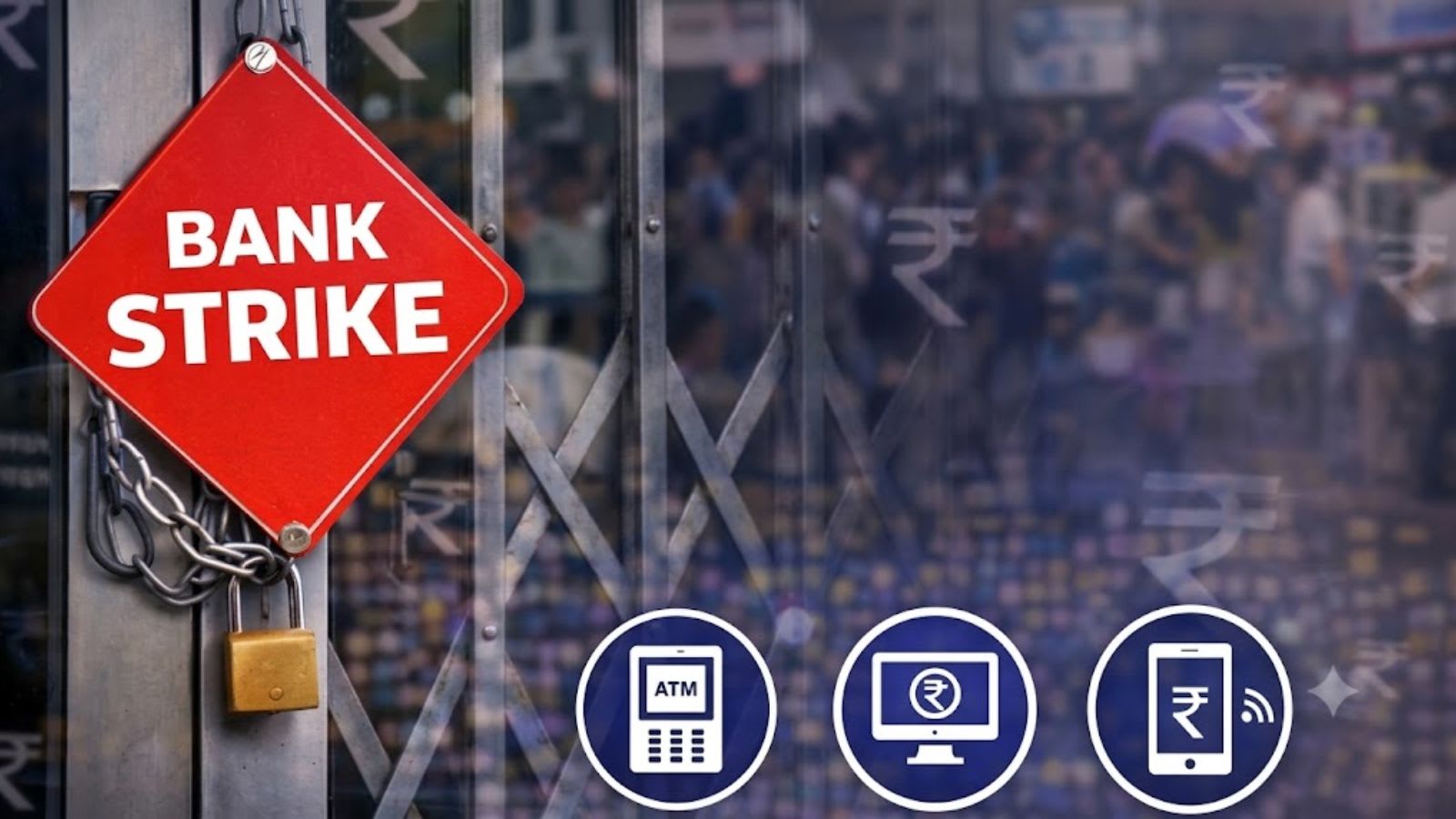
The State Bank of India has issued an advisory regarding a three-day nationwide bank strike called by the UFBU from September 28 to September 30, 2026. Customers are urged to complete transactions early to avoid potential service disruptions compounded by the preceding weekend.
Nationwide Banking Disruption: An Overview of the Upcoming UFBU Strike
The United Forum of Bank Unions (UFBU) has announced a significant three-day nationwide strike scheduled to take place from September 28, 2026, through September 30, 2026. This industrial action is expected to halt routine banking operations across the country, prompting major financial institutions to prepare for significant service gaps. As the largest public sector lender, the State Bank of India (SBI) has proactively issued an advisory to its vast customer base, urging them to finalize critical financial transactions well in advance of the strike period.
The Impact of Concurrent Holidays and Weekends
One of the most pressing concerns for retail and corporate banking customers is the timing of this protest. Because the strike period begins on a Monday, it follows immediately after the weekend of September 26 and 27. This calendar configuration essentially extends the period of limited accessibility to five consecutive days. For many, this creates a 'banking blackout' that could affect everything from salary processing and loan EMI payments to routine branch-based documentation and high-value transfers.
SBI’s Proactive Customer Advisory
In response to the union's announcement, SBI has prioritized transparency to mitigate panic and operational bottlenecks. By officially acknowledging the strike, the bank is attempting to manage expectations regarding branch availability and service responsiveness. The advisory serves as a necessary buffer, allowing customers to utilize digital channels or complete branch-dependent tasks before the shutdown commences, thereby reducing the strain on digital infrastructure that often occurs when physical branches close unexpectedly.
Broader Implications for the Banking Sector
Nationwide strikes called by the UFBU often highlight systemic tensions within the labor force of the banking industry. These actions are typically utilized as a mechanism for collective bargaining, drawing attention to demands that remain unaddressed by management or regulatory bodies. When a strike of this magnitude occurs, it affects not just the individual banks, but the broader velocity of money within the economy, temporarily slowing down the clearinghouse functions and inter-bank settlements.
Strategic Planning for Consumers
For the general public, this event underscores the necessity of maintaining diversified banking habits. While digital banking has become the norm, the reliance on physical branches for specific services remains high. The SBI advisory acts as a reminder that even in a digitized era, labor-management relations can cause tangible friction in the daily financial lives of citizens. As the dates approach, it is highly likely that other financial institutions will follow suit with similar advisories to ensure their customers are adequately prepared for the disruption.
Conclusion and Future Outlook
As September 28 approaches, the focus for both the banking authorities and the unions will be on the potential for last-minute negotiations. However, in the absence of a resolution, the three-day strike remains a certainty. Customers are strongly advised to monitor official channels from their respective banks to stay updated on any changes to service availability or contingency measures put in place to handle essential banking functions during the strike period.