Ex-US Navy, Indian wife: What we know about American caught near Nepal border
Source Entity
TOI NEWS DESK
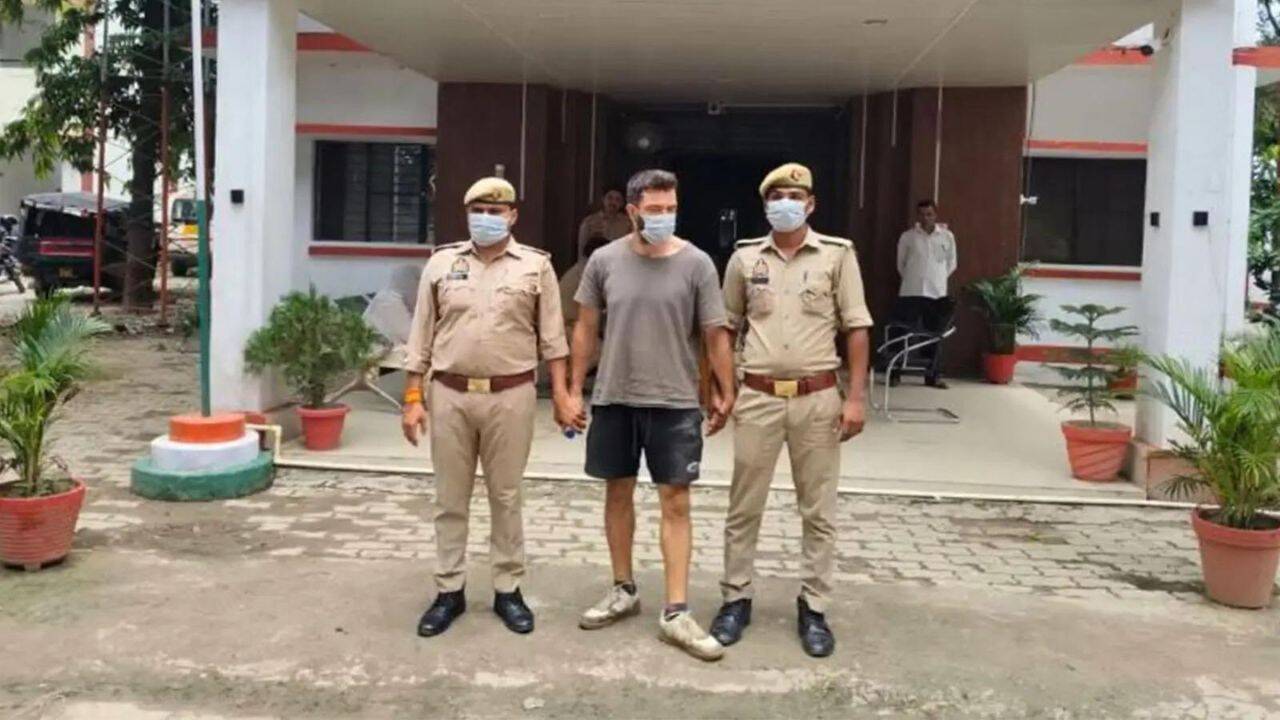
Uttar Pradesh police registered a case against American national Jordan Brown. He was apprehended for attempting to enter Nepal without proper authorization. Brown claimed he lost his passport in Thailand and traveled to India by sea. He had been residing in Goa and Bengaluru before his apprehension. Officials are investigating his claims and lack of documentation.
Analysis of the Detention of Jordan Brown Near the Nepal-India Border
Overview of the Incident
The apprehension of Jordan Brown, an American national and former member of the US Navy, marks a significant security intercept by the Uttar Pradesh police. Brown was detained while attempting to cross the border into Nepal without the required legal documentation. This incident highlights the stringent nature of border controls in the region, particularly when involving foreign nationals with military backgrounds. The registration of a formal case against Brown indicates that the authorities are treating the unauthorized entry attempt as a serious breach of immigration laws.
Analysis of the Subject's Claims
Jordan Brown has provided a complex narrative to explain his lack of documentation, claiming that his passport was lost while he was in Thailand. More strikingly, he asserts that he entered India by sea, bypassing traditional airport checkpoints where passports are routinely scanned and logged. From a security perspective, the claim of entering India via sea without documentation is a major red flag. Maritime borders are heavily monitored by the Indian Coast Guard and customs officials; an undocumented entry suggests either a significant lapse in border security or a deliberate attempt to evade detection, which warrants a deep forensic investigation into his travel history.
Domestic Movement and Surveillance Gaps
According to the reports, Brown had been residing in Goa and Bengaluru before his apprehension in Uttar Pradesh. The fact that a foreign national without a valid passport could reside in two major Indian urban centers—one a tourist hub (Goa) and the other a tech hub (Bengaluru)—raises questions about the efficacy of local foreign national registration (Form C) requirements. Typically, hotels and landlords are required to report the stay of foreigners to the Foreigners Regional Registration Office (FRRO). Brown's ability to move across several states suggests he may have operated under the radar or utilized informal housing, complicating the police's effort to track his movements prior to the border attempt.
Security Implications of Military Background
The detail that Brown is a former member of the US Navy adds a layer of complexity to the investigation. Security agencies often apply higher scrutiny to former military personnel due to their specialized training in intelligence, navigation, or tactical operations. When combined with an undocumented entry into the country and an attempt to cross an international border into Nepal, the profile becomes one of high interest for intelligence agencies. The investigation will likely focus on whether his movements were purely personal or if there were external motivations for avoiding official ports of entry.
Legal Framework and Consular Challenges
The case now moves into a legal and consular phase. Since Brown claims to have lost his passport, the US Embassy in India will likely be involved to verify his identity and issue emergency travel documents. Under Indian law, attempting to enter or leave the country without valid travel documents is a punishable offense under the Foreigners Act. The court will have to weigh his claims of accidental loss against the circumstantial evidence of his movements. The presence of an Indian wife may provide a social context to his stay, but it does not exempt him from the legal requirement of maintaining a valid visa and passport.
Conclusion and Future Outlook
This incident serves as a reminder of the porous nature of the India-Nepal border, which, while generally open for citizens of both countries, remains a sensitive zone for third-country nationals. Moving forward, this case will likely prompt a review of how undocumented foreign nationals are tracked within Indian cities. For Jordan Brown, the resolution depends on the verification of his claims by the US government and the Indian police. If his story of losing his passport is substantiated, the case may be settled through deportation or legal regularization; however, any discrepancy in his maritime entry claim could lead to more severe charges related to national security.