Watch: Dramatic Rescue of Stranded Passenger From Flooded Road In China
Source Entity
Latest News: Today's Latest News Headlines from India & World | Hindustan Times | Hindustan Times
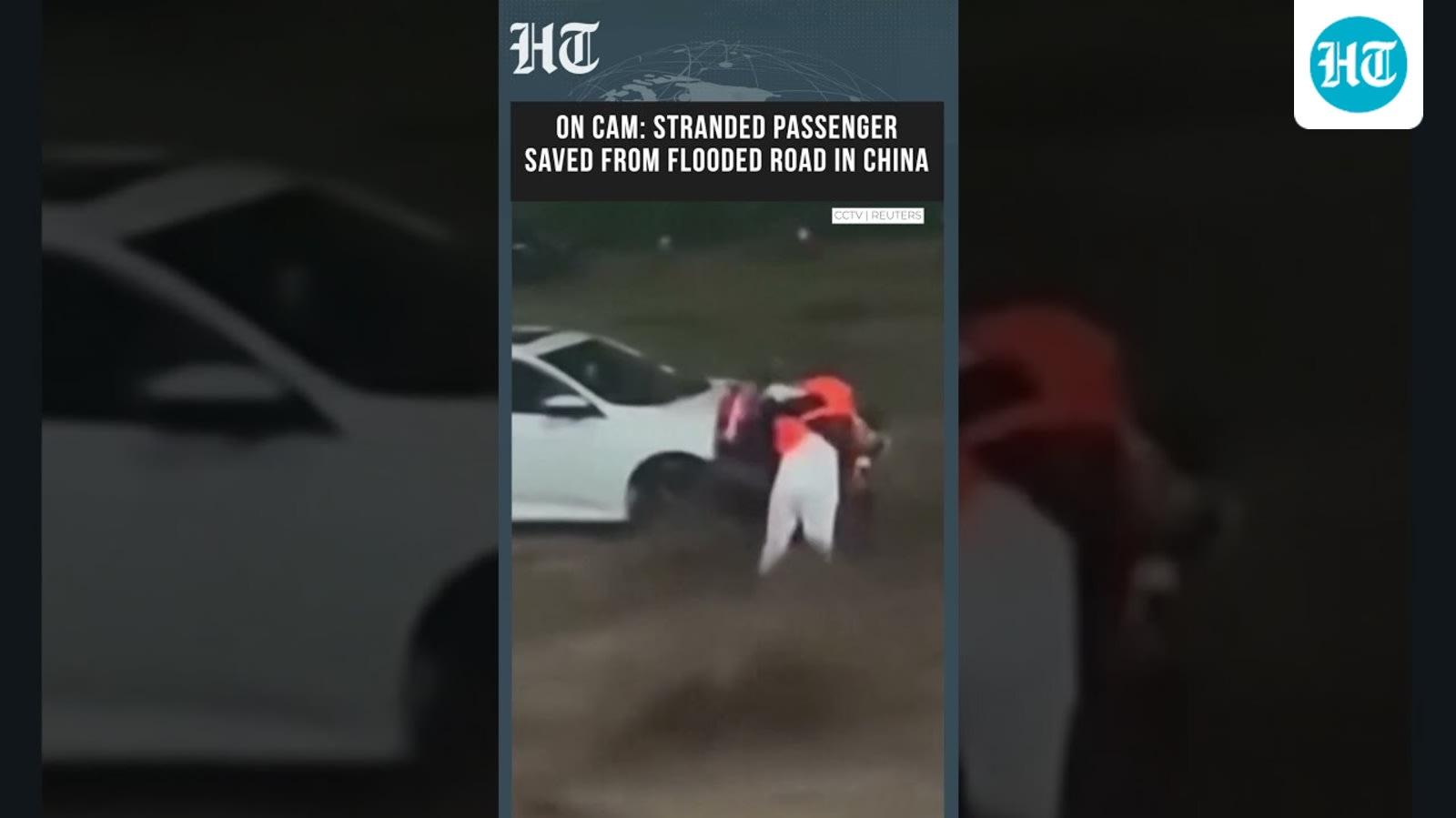
China's state media has released dramatic footage showing rescuers saving a stranded passenger trapped on a heavily flooded road after torrential rain triggered severe flooding. The operation highlights the dangerous conditions caused by extreme weather as emergency teams continue rescue efforts in affected areas. Watch the dramatic moments as first responders battle floodwaters to bring the passenger to safety.
Analysis of the Emergency Rescue Operation in Flooded China
The Immediate Crisis and Rescue Execution
The release of dramatic footage by China's state media captures a high-stakes rescue operation, illustrating the perilous conditions created by sudden, torrential rainfall. The event centers on a passenger who became stranded on a road that was rapidly overtaken by floodwaters, creating a life-threatening scenario where the individual was isolated by fast-moving currents. The rescue operation itself underscores the critical role of first responders who must navigate unstable terrain and unpredictable water levels to reach victims. Such operations are fraught with risk, as flash floods can hide road collapses, debris, and strong undercurrents that can easily sweep away both the stranded individual and the rescuers.
Environmental Drivers and Regional Vulnerability
This specific incident is a microcosm of the broader meteorological challenges facing China. The region is frequently subjected to intense seasonal monsoons and typhoons, which can dump massive volumes of precipitation in very short windows. When these torrential rains hit areas with saturated soil or inadequate drainage, the result is severe flooding that transforms standard transit routes into dangerous rivers. The stranded passenger's situation highlights how quickly a routine journey can turn catastrophic when extreme weather events bypass traditional safety margins, reflecting a growing trend of volatile weather patterns in East Asia.
Infrastructure and Urban Planning Challenges
From an analytical perspective, the fact that a passenger became stranded on a heavily flooded road raises important questions regarding infrastructure resilience. While China has invested heavily in "Sponge City" initiatives—designed to absorb and reuse rainwater—the occurrence of such dramatic rescues suggests that certain rural or semi-urban corridors remain vulnerable. The inability of the road network to drain effectively during this event indicates a gap between current infrastructure capacity and the increasing intensity of extreme precipitation events. This incident serves as a stark reminder that road safety is not merely about pavement quality, but about the systemic ability to manage hydrological surges.
The Role of State Media and Public Perception
The dissemination of this footage via state media serves a dual purpose. First, it acts as a public service announcement, warning citizens of the extreme dangers associated with traveling during severe weather alerts. Second, it functions as a narrative tool to showcase the efficiency, bravery, and readiness of the state's emergency response apparatus. By highlighting the successful rescue, the government reinforces a message of stability and protection, demonstrating that despite the chaos of natural disasters, the state's rescue mechanisms are operational and effective in saving lives.
Long-term Implications and Future Trends
Looking forward, events like this rescue are likely to become more frequent as climate change accelerates the intensity of the hydrological cycle. We can predict a shift toward more aggressive early-warning systems and the potential for mandatory road closures based on real-time sensor data to prevent passengers from becoming stranded in the first place. The transition from reactive rescue (as seen in this footage) to proactive prevention will be the primary goal for disaster management agencies. Enhanced integration of AI and satellite monitoring will be essential to predict exactly which road segments are most likely to fail during torrential rain.
Conclusion
In summary, the rescue of the stranded passenger in China is more than a singular act of bravery; it is a symptom of the ongoing struggle between human infrastructure and an increasingly volatile climate. While the successful intervention by first responders prevented a tragedy, the event highlights the systemic vulnerabilities of transport networks during extreme weather. This incident underscores the urgent need for continued investment in climate-resilient infrastructure and the critical importance of rapid-response emergency services in mitigating the human cost of natural disasters.
Verification Required?