More Americans oppose police license plate cameras than support them: survey
Source Entity
Zack Whittaker
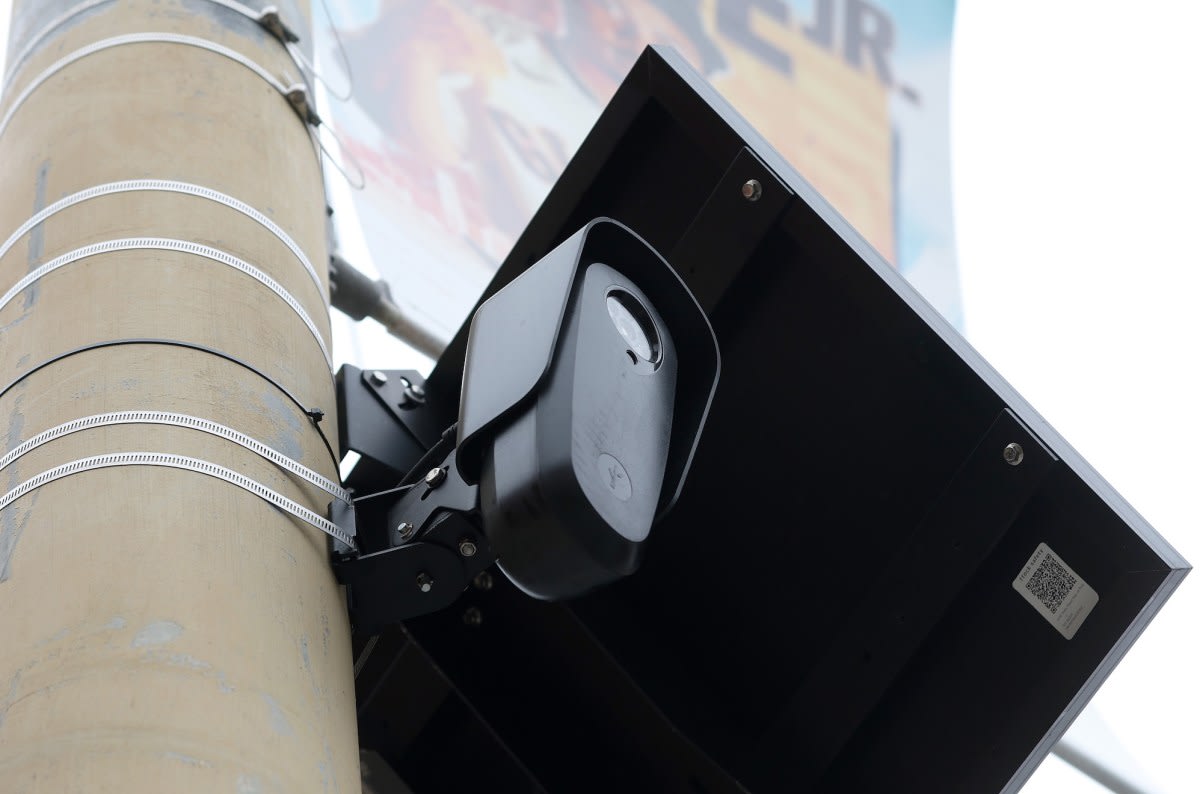
A recent YouGov survey indicates that American public sentiment has shifted against police license plate readers, with 46% now opposing their use. This reversal follows widespread concerns regarding privacy and documented instances of law enforcement overreach.
The Shifting Landscape of Public Surveillance
A significant shift in public opinion regarding law enforcement technology has emerged, as a recent YouGov survey of 20,000 Americans reveals that opposition to police license plate readers now outweighs support. With 46% of respondents expressing disapproval compared to 38% in favor, this data marks a definitive reversal from the previous year’s sentiment. This trend highlights a growing skepticism toward the rapid expansion of surveillance infrastructure within local communities.
The Rise of Flock Safety and Automated Surveillance
At the center of this controversy is Flock Safety, a prominent provider of automated license plate recognition (ALPR) systems. Currently operating over 120,000 cameras across the United States, the company has become a ubiquitous presence in modern policing. These devices are designed to track vehicle movements, theoretically aiding law enforcement in solving crimes. However, the sheer scale of this data collection has increasingly drawn the scrutiny of privacy advocates who worry about the implications of constant, automated tracking.
The Impact of Police Misconduct Reports
The survey results appear to be a direct consequence of ongoing concerns regarding police abuses of surveillance technology. Reports highlighting instances where officers have misused these powerful tools have damaged public trust. When surveillance apparatuses—originally justified as a means to enhance public safety—are perceived as being used inappropriately or without adequate oversight, the public is quick to demand greater transparency and stricter regulation.
Privacy vs. Security: A National Debate
This development underscores a fundamental tension in contemporary American society: the balance between the desire for heightened security and the protection of civil liberties. For years, the narrative surrounding surveillance technology emphasized its utility in crime prevention. However, as the presence of these cameras becomes normalized, the conversation is shifting toward the potential for mass surveillance and the erosion of anonymity in public spaces.
Long-Term Implications for Surveillance Tech
Looking forward, the decline in public support could signal a challenging environment for surveillance firms and the law enforcement agencies that contract with them. As public opposition grows, local governments may face increased pressure to implement restrictive policies, require warrants for data access, or limit the retention periods of collected information. The industry will likely need to prioritize transparency and ethical standards to regain the public's confidence.
Conclusion
The reversal in public opinion regarding license plate readers is a critical indicator of a maturing debate over technology’s role in policing. As citizens become more informed about the capabilities of these systems and the risks of their misuse, the demand for accountability will likely intensify. The future of such technologies will depend heavily on whether companies and law enforcement can align their practices with the evolving expectations of the communities they serve.